
Best Time to Visit Egypt: Weather, Prices and Tourist Seasons
Egypt has fascinated travelers for thousands of years. From the monumental pyramids of Giza to the temples of Luxor and the coral reefs of the Red Sea, the country offers an extraordinary combination of ancient history, vibrant culture, and natural beauty. However, one of the most common questions travelers ask before planning their journey is simple: what is the best time to visit Egypt?
Understanding the climate, tourist demand, and seasonal travel patterns is essential for building the perfect itinerary. This comprehensive Egypt weather travel guide will help you understand how weather conditions, prices, and tourism seasons change throughout the year. With this knowledge, you can plan the perfect holiday based on your interests, budget, and travel style.
This guide will also explain the different Egypt tourism seasons, from the busy winter months to the quiet summer period, so you can choose the best moment to explore the wonders of Egypt.
Understanding Egypt’s Climate
Before deciding the best time to visit Egypt, it is important to understand the country’s climate. Egypt is mostly desert, which means temperatures can vary significantly between seasons and between day and night.
Egypt generally experiences two main seasons:
- Mild Winter (October to April)
- Hot Summer (May to September)
However, within these seasons there are smaller climate variations depending on the region you visit.
Climate in Cairo and Giza
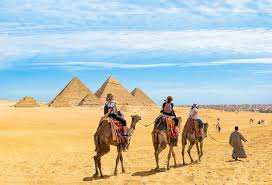
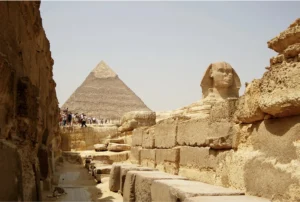
Cairo and the nearby Giza plateau are among the most visited destinations in the country. This is where travelers come to see the pyramids, the Sphinx, and the Grand Egyptian Museum.
During winter months, temperatures in Cairo typically range between 15°C and 25°C, making sightseeing comfortable. This is one reason many experts consider winter the best time to visit Egypt.
In summer, temperatures can exceed 38°C, which can make long outdoor tours more challenging. However, the advantage of summer travel is that tourist crowds are smaller and prices are often lower.
This balance between weather and tourism demand is an important factor highlighted in every Egypt weather travel guide.
Climate in Luxor and Aswan
Southern Egypt is home to some of the most impressive monuments in the world, including Karnak Temple, the Valley of the Kings, and Abu Simbel. Luxor and Aswan experience even hotter temperatures than Cairo.
During the winter months, temperatures range between 20°C and 28°C, which is ideal for visiting temples and archaeological sites.
During summer, temperatures can exceed 45°C, which makes sightseeing extremely difficult during the daytime.
Because of this extreme heat, many travelers consider the cooler months the best time to visit Egypt, especially if their itinerary includes Luxor or Aswan.
Climate at the Red Sea
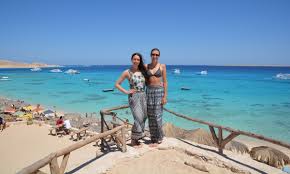
The Red Sea coast, including destinations like Hurghada, Marsa Alam, and Sharm El-Sheikh, has a slightly different climate.
These coastal regions enjoy warm temperatures year-round, with refreshing sea breezes.
Typical conditions include:
Winter: 20–25°C
Spring: 25–30°C
Summer: 30–35°C
Autumn: 25–30°C
Because of the warm water and sunny weather, the Red Sea is considered an excellent destination during most Egypt tourism seasons.
Many visitors come here for diving, snorkeling, and relaxation after exploring historical sites.
Egypt Tourism Seasons
Tourism in Egypt follows a clear seasonal pattern. These Egypt tourism seasons affect not only weather but also hotel prices, flight costs, and crowd levels.
The three main travel seasons include:
High Season (October – April)
This is widely considered the best time to visit Egypt.
During these months:
• Temperatures are mild and comfortable
• Outdoor sightseeing is easier
• Desert excursions are more pleasant
This season is particularly popular among European travelers escaping the cold winter in their home countries.
Major destinations such as Cairo, Luxor, and Aswan receive large numbers of tourists during this time.
However, high season also means:
• Higher hotel prices
• Busier attractions
• Earlier booking requirements
This is a key reason every detailed Egypt weather travel guide recommends booking accommodations and tours well in advance during winter months.
Shoulder Season (May and September)
The shoulder season occurs between peak winter travel and the extremely hot summer months.
Temperatures are warmer but still manageable, especially during early mornings and evenings.
Advantages of traveling during shoulder season include:
• Fewer tourists
• Lower prices
• Easier access to popular attractions
Many experienced travelers believe that May and September may actually be the best time to visit Egypt if you want a balance between good weather and affordable prices.
This period is especially suitable for travelers who want a quieter experience while exploring Egypt’s archaeological treasures.

Low Season (June – August)
Summer is considered the low tourism season in Egypt due to extreme temperatures, particularly in Upper Egypt.
In cities like Luxor and Aswan, daytime temperatures can exceed 45°C.
Despite this heat, there are still some advantages to visiting during summer:
• Significantly cheaper hotels
• Less crowded monuments
• Easier last-minute bookings
In coastal areas like the Red Sea, summer weather is more tolerable because of sea breezes.
For travelers focused mainly on beach resorts, summer can still be a good time according to this Egypt weather travel guide.
Why Weather Matters for Egyptian Travel
Egypt’s main attractions are largely outdoor historical sites. Temples, pyramids, and archaeological ruins are usually visited under direct sunlight.
Because of this, climate conditions play a major role in determining the best time to visit Egypt.
For example:
Walking through the Valley of the Kings in summer heat can be exhausting, while visiting the same site in winter is much more comfortable.
Similarly, exploring the pyramids in the cooler months allows travelers to spend more time discovering the history and atmosphere of the ancient monuments.
Understanding the Egypt tourism seasons helps travelers plan their daily schedules as well.
Many tours start early in the morning to avoid midday heat, especially during warmer months.
Cultural Events and Festivals
Another important factor when choosing the best time to visit Egypt is cultural events.
Throughout the year, Egypt hosts festivals, religious celebrations, and cultural gatherings that add a unique dimension to travel experiences.
Some examples include:
• Coptic Christmas celebrations in January
• Ramadan and Eid festivals
• Abu Simbel Sun Festival in February and October
These events attract visitors from around the world and are often highlighted in every detailed Egypt weather travel guide.
Participating in these festivals can provide deeper insight into Egyptian traditions and local culture.
Planning the Perfect Egyptian Journey
Choosing the best time to visit Egypt ultimately depends on your travel goals.
Some travelers prioritize comfortable weather for exploring ancient temples and pyramids.
Others focus on beach relaxation along the Red Sea.
Still others are interested in experiencing local culture during special events.
Understanding the different Egypt tourism seasons allows travelers to customize their itineraries according to their preferences.
For example:
A cultural traveler may visit during winter to explore historical sites comfortably.
A budget traveler may prefer summer for lower prices.
A diver may visit the Red Sea during spring or autumn when underwater visibility is excellent.
This Egypt weather travel guide will continue in the next stages to analyze each month in detail, helping you choose the ideal time for your journey.
Here is Stage 2 (≈2000 words) of your SEO article:
We continue from Stage 1, focusing on a month-by-month Egypt weather travel guide, detailed analysis of Egypt tourism seasons, and practical tips for travelers. Keywords are integrated:
- best time to visit Egypt
- Egypt weather travel guide
- Egypt tourism seasons
Stage 2
Egypt Month-by-Month Travel Guide: Weather, Prices, and Tourist Seasons
When planning your trip to Egypt, understanding how each month differs in weather, crowds, and tourism activity is crucial. This Egypt weather travel guide provides an in-depth month-by-month breakdown to help travelers choose the best time to visit Egypt, avoid extreme heat, and enjoy the Egypt tourism seasons fully.
January – Cool and Comfortable
January is one of the coolest months in Egypt, making it a popular choice for travelers looking for pleasant weather. Temperatures in Cairo range from 12°C to 20°C, while Luxor and Aswan are slightly warmer, ranging between 15°C and 25°C.
Advantages:
- Ideal for sightseeing in Cairo, Giza, and Luxor without feeling overheated.
- Great month to explore outdoor monuments like the Pyramids, the Sphinx, Karnak Temple, and Valley of the Kings.
- Winter festivals and Coptic Christmas celebrations add cultural experiences to your trip.
Disadvantages:
- Hotels and tours may be more expensive due to peak season demand.
- Occasional fog or low clouds may affect early morning desert excursions.
Tips:
- Book tours and accommodations early to secure the best rates.
- Dress in layers for varying temperatures between morning and afternoon.
January falls within the high season, which is widely recognized as the best time to visit Egypt, especially for cultural and historical exploration.
February – Pleasant Weather and Special Events
February continues the mild winter pattern. Average temperatures are similar to January, with Cairo around 13°C–21°C and Luxor 16°C–26°C.
Highlights:
- The Abu Simbel Sun Festival occurs in February, attracting tourists to witness the sunrise perfectly illuminating the temple statues.
- Outdoor activities, including Nile cruises and desert tours, are more comfortable than in the summer months.
Considerations:
- Accommodation prices remain high during peak winter months.
- Tourist sites can be crowded, especially around Abu Simbel and Luxor.
February is part of the high season in the Egypt tourism seasons and is an excellent time for travelers seeking the best time to visit Egypt for sightseeing.
March – Transitioning to Spring
March marks the beginning of spring in Egypt. Temperatures begin to rise, averaging 16°C–24°C in Cairo and 20°C–28°C in Luxor. This month offers a pleasant balance between comfortable weather and slightly lower crowds than January and February.
Advantages:
- Excellent for exploring both northern and southern Egypt.
- Ideal for combining cultural visits with Nile cruises.
- Springtime flowers in parks and gardens enhance the aesthetic experience.
Disadvantages:
- Occasional sandstorms or khamsin winds can occur in the desert regions.
- Peak tourist attractions still see moderate crowds.
Tips:
- Start sightseeing early in the morning to avoid any midday winds or dust.
- Keep sunscreen and hats handy for sunny afternoons.
March is still within the high season, making it one of the best times to visit Egypt for both historical tours and comfortable weather.
April – Warm Days, Cool Nights
April brings warmer temperatures and longer daylight hours. Cairo sees temperatures around 18°C–27°C, while Luxor and Aswan can reach 30°C during the day.
Highlights:
- Ideal weather for visiting the Red Sea resorts like Sharm El Sheikh or Hurghada.
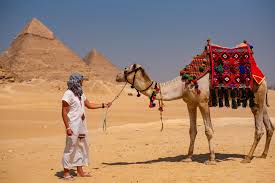
- Desert excursions, such as camel rides near the Pyramids or trips to Siwa Oasis, are more comfortable.
Challenges:
- The start of the heat in southern Egypt makes afternoon sightseeing less comfortable.
- Easter holidays may increase tourist numbers in some areas.
Tips:
- Plan temple visits early in the morning.
- Enjoy evening cultural events in Cairo or along the Nile.
April is a transitional month in the Egypt tourism seasons, bridging high and shoulder season. It’s considered one of the best times to visit Egypt for a balance of pleasant temperatures and enjoyable sightseeing.
May – Shoulder Season Begins
May signals the onset of the shoulder season, with temperatures increasing significantly. Cairo averages 22°C–33°C, while Luxor and Aswan can reach 38°C–40°C.
Advantages:
- Tourist crowds begin to decrease, making visits to major monuments more enjoyable.
- Prices for hotels and tours often drop compared to the high winter season.
Disadvantages:
- The heat becomes a concern for outdoor activities, especially in Upper Egypt.
- Desert excursions may require early morning or late afternoon scheduling.
Tips:
- Focus on morning or evening tours for historical sites.
- Stay hydrated and wear breathable clothing.
May is a good month for travelers seeking fewer crowds while still experiencing mild enough conditions in the north. The Egypt weather travel guide identifies it as part of the shoulder season.
June – Hot Summer Begins
June brings high temperatures across the country. Cairo averages 26°C–36°C, while Luxor and Aswan regularly exceed 40°C.
Advantages:
- Fewer tourists at the Pyramids, temples, and other iconic sites.
- Very low hotel prices and potential for last-minute deals.
Disadvantages:
- Extreme heat in southern Egypt can make sightseeing uncomfortable.
- Daytime excursions require careful planning to avoid overheating.
Tips:
- Limit outdoor activities to mornings or evenings.
- Focus on Nile cruises or Red Sea resorts for cooler experiences.
June marks the low season, and while not ideal for historical site visits, it is suitable for budget travelers and beach vacations.
July – Peak Summer Heat
July is the hottest month in Egypt. Luxor and Aswan can experience temperatures above 45°C, making outdoor sightseeing extremely challenging.
Advantages:
- Almost no crowds at the main tourist sites.
- Affordable travel packages and discounted accommodations.
Disadvantages:
- Daytime sightseeing in southern Egypt is difficult and potentially hazardous.
- Some attractions may close during the hottest hours of the day.
Tips:
- Early morning visits are essential.
- Prioritize coastal regions for beach and water activities.
July continues the low season, providing opportunities for budget-conscious travelers who prioritize cost over comfort.
August – Extremely Hot, Coastal Relief
August is another peak summer month. Inland areas like Luxor, Aswan, and Cairo experience scorching temperatures, while coastal regions remain warm but comfortable.
Highlights:
- Red Sea resorts are ideal for diving, swimming, and relaxation.
- Historical sites in Upper Egypt are nearly empty, offering a private experience for early risers.
Considerations:
- Air-conditioned transportation is necessary for safety.
- Indoor attractions or museum visits can provide a break from heat.
Tips:
- Plan beach and water activities for midday relief.
- Visit historical sites early in the morning or after sunset.
August is still part of the low season, with the Egypt weather travel guide advising careful planning for safety.
September – Cooler Temperatures and Shoulder Season
September begins to bring slightly cooler weather. Cairo averages 24°C–34°C, and Luxor and Aswan gradually drop to more tolerable temperatures around 38°C.
Advantages:
- Tourist crowds start returning, but sites are still manageable.
- Temperatures are more comfortable for southern Egypt excursions than summer months.
Disadvantages:
- Still warm for midday outdoor activities.
- Prices may begin to rise as winter high season approaches.
Tips:
- Combine historical sightseeing with evening Nile cruises.
- Book accommodations early for October travel.
September is considered shoulder season, offering a good balance of weather, prices, and accessibility to attractions.
October – Start of High Season
October is widely recognized as one of the best times to visit Egypt. Temperatures drop, and sightseeing is much more comfortable across the country.
Highlights:
- Cairo and Giza: 20°C–30°C, perfect for pyramid visits and city tours.
- Luxor and Aswan: 28°C–35°C, suitable for temple and valley tours.
- Red Sea: Warm but pleasant for swimming and diving.
Advantages:
- Comfortable climate for both northern and southern Egypt.
- Festivals and cultural events provide unique experiences.
Tips:
- Book your tours in advance to secure the best slots.
- Consider combining historical sites with Red Sea resorts for a mixed itinerary.
October marks the beginning of the high season, recommended by this Egypt weather travel guide for optimal travel experiences.
November – Ideal Sightseeing
November continues the perfect weather pattern. Cairo, Giza, Luxor, and Aswan are all comfortably warm, and the Red Sea remains ideal for water activities.
Highlights:
- Explore monuments, temples, and museums without the extreme heat.
- Participate in cultural festivals and enjoy local cuisine.
Tips:
- This is one of the most recommended months in the Egypt tourism seasons for first-time visitors.
- Book accommodations early due to increasing demand.
December – Mild Winter, Peak Crowds
December brings cooler temperatures to northern and southern Egypt. Cairo ranges between 13°C–22°C, while Luxor sees 18°C–26°C.
Advantages:
- Comfortable sightseeing across all regions.
- Christmas celebrations offer unique cultural experiences.
Disadvantages:
- High season leads to increased hotel and tour prices.
- Popular attractions can be crowded.
Tips:
- Reserve accommodations in advance.
- Consider combining historical tours with holiday events
Top Destinations, Itineraries, and Travel Tips for Every Season in Egypt
Egypt offers a wealth of experiences for travelers, from ancient monuments and temples to natural wonders and vibrant cities. Choosing the best time to visit Egypt ensures you can enjoy these experiences comfortably and avoid extreme temperatures or overcrowded attractions. This Egypt weather travel guide will highlight must-see destinations, seasonal itineraries, and practical tips for tourists during each part of the Egypt tourism seasons.
Exploring Cairo – A Must-See Capital
Cairo, the bustling capital of Egypt, is the starting point for most travelers. From the iconic Pyramids of Giza and the Sphinx to the Egyptian Museum and Coptic Cairo, there is no shortage of historical and cultural experiences.
Best Months to Visit Cairo
- High season: October to April – cooler temperatures make it easier to explore outdoor sites.
- Shoulder season: May and September – fewer tourists and moderate heat.
- Low season: June to August – extremely hot, but hotel rates are cheaper.
Key Attractions in Cairo
- Giza Plateau – Home to the Pyramids of Giza and the Sphinx. Sunrise and sunset visits provide magical lighting for photography.
- Egyptian Museum – Holds treasures from Tutankhamun’s tomb and a vast collection of Pharaonic artifacts.
- Coptic Cairo – Explore the Hanging Church, St. Sergius Church, and ancient monasteries.
- Islamic Cairo – Includes historic mosques, the Citadel, and bustling bazaars like Khan El Khalili.
Tips for Visiting Cairo
- Start early to avoid crowds and heat.
- Use licensed guides for historical sites to enrich your experience.
- Stay hydrated and wear light, breathable clothing.
Luxor and The Best Pharaonic Attractions in Egypt
Luxor, often called the “world’s greatest open-air museum,” is central to ancient Egyptian history. This city along the Nile features temples, tombs, and monuments dating back thousands of years.
Best Time to Visit Luxor
- High season: November to March – cooler temperatures make exploring temples more comfortable.
- Shoulder season: October and April – warm but manageable.
- Low season: May to September – extreme heat requires early morning or late afternoon visits.
Must-See Sites
- Karnak Temple – A massive complex dedicated to the god Amun, featuring colossal statues, obelisks, and hieroglyphic inscriptions.
- Valley of the Kings – Burial site of Pharaohs like Tutankhamun and Ramses II. Early morning visits are recommended to avoid crowds and heat.
- Luxor Temple – Located in the heart of the city, illuminated beautifully at night.
- Medinet Habu – Mortuary temple of Ramses III with impressive reliefs.
Luxor Travel Tips
- Hire a local guide to understand the stories behind the hieroglyphs and temple structures.
- Camel or horse rides around Luxor can add an authentic experience.
- Evening Nile cruises provide a relaxing way to view temples and enjoy local dining.
Aswan – Natural Beauty and Nubian Culture
Aswan offers a mix of serene Nile views, lush islands, and Nubian culture. It’s a perfect complement to historical tours in Luxor.
Best Time to Visit Aswan
- High season: October to April – pleasant weather and Nile cruises are comfortable.
- Shoulder season: September and May – still warm, but fewer tourists.
- Low season: June to August – very hot; early morning visits recommended.
Attractions
- Philae Temple – Dedicated to the goddess Isis, located on Agilkia Island.
- Nubian Villages – Colorful houses, local crafts, and authentic cultural experiences.
- Elephantine Island – Ancient ruins and beautiful Nile views.
- Aswan High Dam – A modern marvel controlling Nile flooding.
Tips
- Take boat rides for sunset photography along the Nile.
- Respect local customs when visiting Nubian villages.
- Combine Aswan with a Nile cruise to Luxor for convenience.
Red Sea Resorts – Hurghada and Sharm El Sheikh
For travelers looking to combine history with relaxation, Egypt’s Red Sea resorts provide pristine beaches, snorkeling, diving, and luxury accommodations.
Best Time to Visit
- High season: October to April – cooler temperatures, pleasant sea water.
- Shoulder season: May and September – warm but comfortable.
- Low season: June to August – hot, but ideal for water-based activities to beat the heat.
Activities
- Scuba diving in the Red Sea’s coral reefs.
- Desert excursions including quad biking and camel rides.
- Water sports, including windsurfing, parasailing, and sailing.
Travel Tips
- Book resorts with all-inclusive packages to enjoy local food and excursions.
- Consider combining historical tours in Cairo and Luxor with a Red Sea stay.
Siwa Oasis – Desert Adventure and Wellness
Siwa Oasis, located in western Egypt near the Libyan border, offers travelers a unique desert experience. Known for natural springs, palm groves, and salt lakes, it’s ideal for eco-tourism and wellness retreats.
Best Time to Visit
- High season: October to April – mild temperatures perfect for exploring the desert.
- Low season: May to September – extremely hot during the day; early morning visits recommended.
Activities
- Relax in natural hot springs for wellness and rejuvenation.
- Explore ancient ruins, including the Oracle Temple of Amun.
- Experience authentic Bedouin culture and cuisine.
Tips
- Stay in eco-lodges or desert camps for an immersive experience.
- Hire a local guide for desert tours to ensure safety and navigation.
Planning Your Itinerary According to Egypt Tourism Seasons
High Season Travel Tips
- Book accommodations and tours at least 2–3 months in advance.
- Focus on outdoor attractions early in the morning or late afternoon.
- Combine sightseeing with cultural experiences like local food tours and festivals.
Shoulder Season Travel Tips
- Enjoy fewer crowds and slightly lower hotel rates.
- Temperatures allow for comfortable exploration of both northern and southern Egypt.
- Ideal for combining Nile cruises with historical site visits.
Low Season Travel Tips
- Prioritize coastal and water-based activities to avoid desert heat.
- Take advantage of discounted hotel rates and tour packages.
- Early morning visits to temples and monuments are essential.
Packing and Preparation According to Seasons
- High season: Lightweight layers for daytime, warmer clothes for nights.
- Shoulder season: Light clothes with a hat and sunscreen; prepare for occasional desert winds.
- Low season: Breathable clothing, sun protection, and plenty of water.
Other essentials for all seasons:
- Comfortable walking shoes for archaeological sites.
- Copies of important documents and travel insurance.
- Camera, sunscreen, sunglasses, and reusable water bottles.
Summary
Egypt is a year-round destination, but understanding its Egypt weather travel guide and tourism seasons is key to a successful trip. Whether visiting Cairo, Luxor, Aswan, or the Red Sea resorts, travelers can tailor their itineraries based on the best time to visit Egypt, taking advantage of comfortable weather, cultural festivals, and local cuisine.
This stage provided:
- Detailed top destinations for all seasons.
- Month-by-month itineraries for historical and natural attractions.
- Practical travel tips for comfort, safety, and enriching experiences.
Special Experiences, Hidden Gems, and Insider Tips for Egypt
Egypt is not just about iconic monuments—it is a country full of hidden treasures, local experiences, and authentic culture that can transform your trip into an unforgettable adventure. This stage highlights special experiences in Egypt, lesser-known sites, Egyptian cuisine, and tips to make your trip both immersive and comfortable. Following the Egypt weather travel guide and tourism seasons ensures that every experience is enjoyed at the right time.
Unique Experiences in Cairo
Beyond the Pyramids and museums, Cairo has countless hidden gems for travelers who want more than the standard tourist itinerary.
Walk Through Islamic Cairo
While the main mosques and bazaars are famous, exploring the narrow streets of Islamic Cairo provides an authentic glimpse into the city’s medieval past. Must-see areas:
- Al-Muizz Street – Historic street lined with ancient mosques, fountains, and markets.
- Al-Hussein Mosque – Spiritual heart of Cairo and vibrant local culture.
- Khan El Khalili Bazaar – Shop for spices, traditional souvenirs, jewelry, and handmade crafts.
Cairo By Night
Evening activities in Cairo offer a different perspective:
- Nile Dinner Cruises – Enjoy traditional music, belly dancing, and authentic Egyptian meals while floating on the Nile.
- Sound and Light Shows at the Pyramids – A spectacular way to understand the history of Giza at night.
Insider Tips
- Hire a local guide for historical neighborhoods to avoid missing hidden details.
- Visit smaller museums like the Museum of Islamic Art for quieter, intimate experiences.
- Taste street food like koshari, falafel, and shawarma while staying cautious about hygiene.
Luxor Off the Beaten Path
Luxor offers more than just the main temples and tombs. Exploring hidden gems and local experiences can enrich your visit.
Hidden Luxor Attractions
- Tombs of the Nobles – Less crowded than the Valley of the Kings, these tombs offer insight into Egyptian daily life and art.
- Luxor Souks – Shop for spices, perfumes, textiles, and traditional crafts.
- Colossi of Memnon – Two enormous statues of Pharaoh Amenhotep III, perfect for sunrise photos.
Unique Experiences
- Hot Air Balloon Ride – Sunrise over the Nile and temples provides breathtaking views.
- Felucca Ride on the Nile – Relaxing boat ride among islands and palm trees.
- Local Cooking Classes – Learn to prepare traditional dishes like molokhia, mahshi, and koshari.
Aswan and Nubian Culture
Aswan’s natural beauty and Nubian culture offer unique experiences beyond the typical tourist route.
Hidden Gems
- Monastery of St. Simeon – A 7th-century monastery overlooking the Nile.
- Kitchener’s Island – Botanical garden with exotic plants.
- Local Nubian Markets – Buy handicrafts and textiles directly from artisans.
Cultural Immersion
- Stay with Nubian families in homestays to experience their hospitality and cuisine.
- Learn about Nubian music, dance, and traditional crafts.
Red Sea Adventures
Hurghada and Sharm El Sheikh are more than beaches; they offer adventure, wellness, and eco-tourism.
Activities
- Snorkeling and Diving – Explore coral reefs and underwater life.
- Desert Safaris – Quad biking, camel riding, and Bedouin experiences.
- Wellness Retreats – Yoga and spa programs by the sea for relaxation.
Insider Tips
- Best time for Red Sea resorts is October to April, when the sea is warm but air temperatures are comfortable.
- Book diving and snorkeling trips in advance to secure spots with certified guides.
Egyptian Cuisine – A Culinary Adventure
No trip to Egypt is complete without tasting the local cuisine. Food is best experienced in context, from street vendors to traditional restaurants.
Street Food Favorites
- Koshari – Egypt’s national dish made of rice, lentils, pasta, and spicy tomato sauce.
- Falafel (Ta’ameya) – Made from fava beans, spiced and fried.
- Hawawshi – Spiced minced meat baked in bread.
- Shawarma – Popular Egyptian street wrap.
Traditional Restaurants
- Try Molokhia, Mahshi, and freshly baked Aish Baladi in local eateries.
- Combine meals with mint tea or sugarcane juice.
Culinary Tips
- Eat freshly cooked food and avoid raw salads from unknown vendors.
- Ask locals for recommended restaurants to ensure authentic experiences.
Hidden Gems and Day Trips
Egypt is full of unique day trips for those looking to go beyond the usual tourist path:
- Saqqara – Step Pyramid of Djoser and lesser-known tombs.
- Abydos – Temple of Seti I, one of the oldest temple complexes.
- Dendera Temple Complex – Famous for the Hathor Temple and well-preserved carvings.
- Fayoum Oasis – Natural lakes, waterfalls, and desert landscapes.
- White Desert – Spectacular chalk formations and desert camping.
These hidden gems can be combined with main destinations to maximize your experience during the best time to visit Egypt.
Seasonal Tips for Special Experiences
High Season (October–April)
- Perfect for outdoor activities, desert excursions, and river cruises.
- Festivals and cultural events are frequent, including Nubian music and traditional ceremonies.
Shoulder Season (May & September)
- Fewer crowds at popular attractions.
- Warm weather is manageable for morning and late afternoon excursions.
Low Season (June–August)
- Focus on coastal areas, Nile cruises, and indoor experiences like museums.
- Early morning desert tours are ideal to avoid the heat.
Travel Planning for Maximum Comfort
- Book guided tours for major temples and hidden sites to understand historical significance.
- Combine cultural experiences, historical monuments, and natural sites for a well-rounded trip.
- Plan itineraries according to Egypt weather travel guide to enjoy every activity comfortably.
Special Tips for Tourists
- Optimal Travel Periods – October to April is ideal for sightseeing, desert tours, and Nile cruises.
- Clothing and Comfort – Light cotton clothing for daytime, layers for cooler evenings.
- Transportation – Use private guides and transfers to avoid Cairo traffic chaos.
- Cultural Etiquette – Respect religious sites; dress modestly in mosques and temples.
- Food and Health – Try local cuisine safely, stay hydrated, and avoid ice from unknown sources.
FAQ – Frequently Asked Questions
Q1: When is the best time to visit Egypt for sightseeing?
A1: The ideal months are October to April, with mild temperatures perfect for exploring pyramids, temples, and cities.
Q2: Can I visit Egypt in summer?
A2: Yes, but it’s very hot (June–August). Plan early morning tours, Nile cruises, and coastal activities to avoid the heat.
Q3: How can I enjoy Egypt without crowds?
A3: Travel in shoulder months (May or September), or explore lesser-known sites like Saqqara, Abydos, and Fayoum Oasis.
Q4: Are there local food and street food options?
A4: Yes, Egypt offers koshari, falafel, shawarma, and molokhia. Eat from trusted vendors and restaurants for safety.
Q5: Do I need a guide for hidden gems?
A5: Recommended. Local guides provide context, safety, and insider access to sites like tombs, Nubian villages, and desert formations.
Q6: Which regions are best for Red Sea activities?
A6: Hurghada, Sharm El Sheikh, and Marsa Alam for snorkeling, diving, desert safaris, and wellness retreats.
Q7: What are the tourism seasons in Egypt?
A7:
- High season: October–April (comfortable weather, busy attractions)
- Shoulder season: May & September (fewer tourists, warm weather)
- Low season: June–August (hot, focus on coastal activities and indoor attractions)

 what are the best places to visit in luxor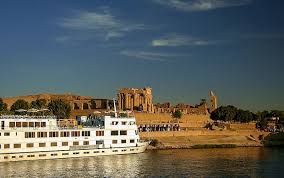

https://momotoursegypt.com/trip/aswan-abu-simbel-full-day-tour/what are the best places to visit in luxor
Website: momotoursegypt.com https://momotoursegypt.com/trip/the-pyramids-the-sphinx-the-egyptian-museum-felucca-ride-on-the-nile/
📲 WhatsApp: +201023675232
- WorldHeritageSite.org – Pyramids (Memphis): https://www.worldheritagesite.org/list/pyramids‑memphis/ World Heritage Site
- UNESCO – Ancient Thebeshttps://momotoursegypt.com/trip/west-bank-luxor-tour-valley-of-the-kings-valley-of-the-queens-hatshepsut-temple-ramesseum-colossi-of-memnon-optional-hot-air-balloon-ride/ with its Necropolis (Luxor / Thebes): https://whc.unesco.org/en/list/87/ UNESCO World Heritage Centre
- Egyptian Ministry of Tourism & Antiquities – Ancient Thebes: https://egymonuments.gov.eg/world-heritage/ancient-thebes-and-its-necropolis/ EgyMonuments