
-
Best Time to Visit Egypt: A Month-by-Month Weather, Price and Crowd Guide
- Suggested audience: First-time and returning travelers planning an Egypt itinerary around weather, crowds and budgetEgypt has fascinated travelers for thousands of years. From the monumental pyramids of Giza to the temples of Luxor and the coral reefs of the Red Sea, the country offers an extraordinary combination of ancient history, vibrant culture, and natural beauty. One of the most common questions travelers ask before booking is simple: what is the best time to visit Egypt?
This Egypt weather travel guide breaks down how temperature, crowds and prices shift across the year, and explains Egypt’s three main tourism seasons in practical terms, so you can match your trip to your own priorities — comfortable sightseeing, lower prices, or fewer crowds at the monuments.
-

Egypt weather travel guide Egypt’s Climate by Region
Egypt is mostly desert, so temperatures swing significantly between seasons, between day and night, and between regions. Broadly, the country has a mild winter (October to April) and a hot summer (May to September), but Cairo, Luxor/Aswan and the Red Sea coast each behave a little differently.
Cairo and Giza
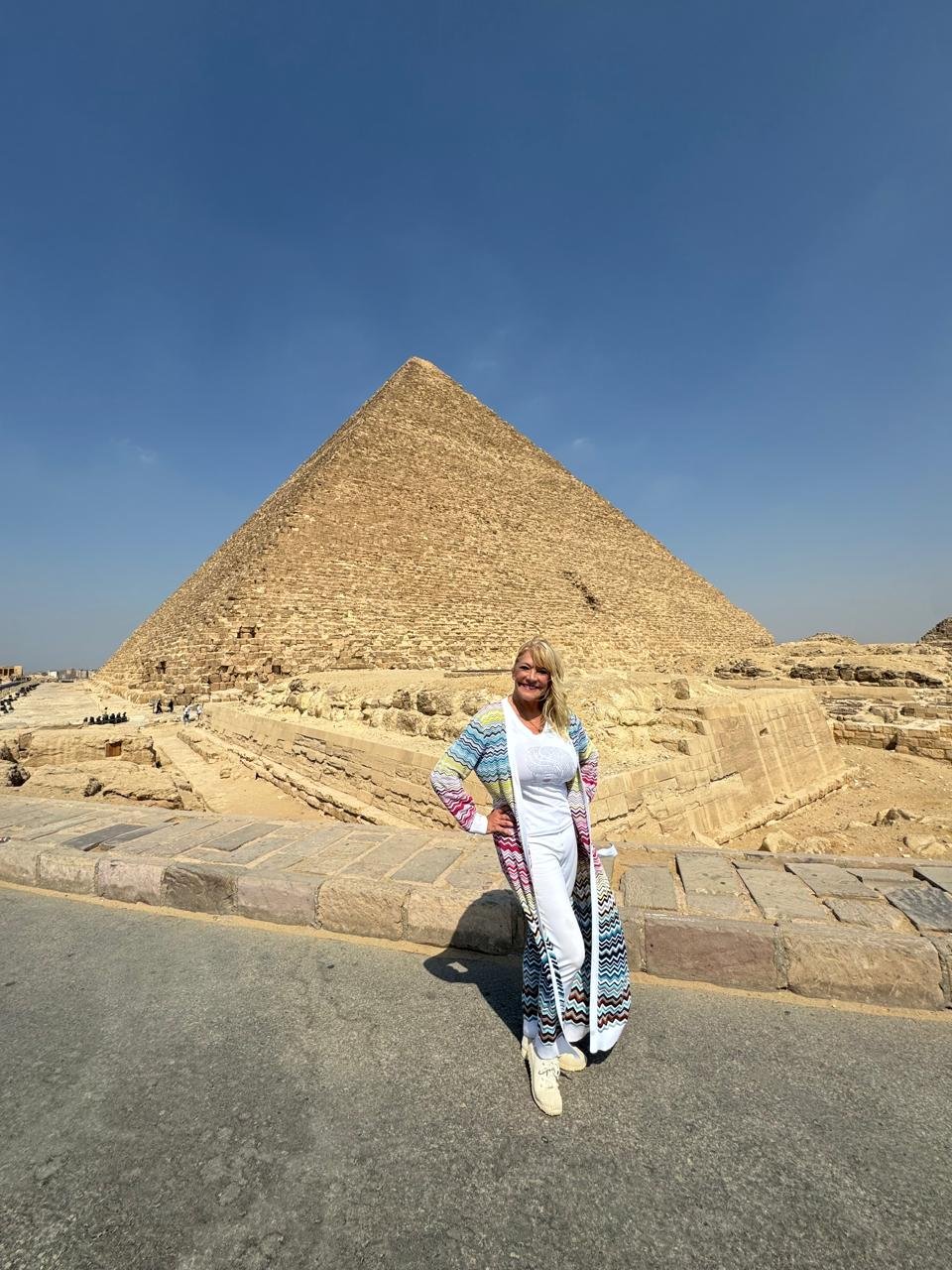
Cairo and the nearby Giza plateau — home to the Pyramids, the Sphinx and the Grand Egyptian Museum — are among the most visited destinations in the country. Winter temperatures typically range from 12°C to 25°C, which makes sightseeing comfortable; this is one reason many experts consider winter the best time to visit Egypt. In summer, daytime temperatures can exceed 36–38°C, which makes long outdoor tours more tiring, though crowds thin out and prices drop.
Luxor and Aswan
Southern Egypt is home to Karnak Temple, the Valley of the Kings and Abu Simbel, and it runs hotter than Cairo year-round. Winter temperatures of 15–28°C are ideal for walking around open-air temple complexes. In summer, Luxor and Aswan regularly exceed 42–45°C, which makes daytime sightseeing genuinely difficult — this extreme heat is the main reason cooler months are so strongly recommended for anyone whose itinerary includes Luxor or Aswan.
The Red Sea Coast
Hurghada, Marsa Alam and Sharm El-Sheikh have a gentler climate thanks to sea breezes, staying comfortably warm for most of the year: roughly 20–25°C in winter, 25–30°C in spring and autumn, and 30–35°C in summer. Because the heat is more tolerable here even in July and August, the Red Sea is a reliable destination across almost every one of Egypt’s tourism seasons — divers and beach travelers have far more flexibility than travelers focused on inland temples.
Egypt Tourism Seasons: High, Shoulder and Low
Egypt’s tourism seasons affect more than weather — they also drive hotel prices, flight costs and how crowded the major sites feel. Here’s how the three seasons compare:
Season Months Pros Trade-offs High season October – April Comfortable daytime temperatures everywhere; best conditions for the Pyramids, Luxor temples and desert trips Highest hotel and tour prices; book 2–3 months ahead for peak weeks Shoulder season May & September Noticeably fewer tourists; lower rates; still workable weather if you tour early or late in the day Midday heat in Luxor/Aswan can exceed 35–38°C Low season June – August Cheapest hotels and last-minute deals; near-empty monuments at opening time Upper Egypt regularly tops 42–45°C; daytime sightseeing in Luxor and Aswan is genuinely tough As a rule of thumb: choose high season for the most comfortable sightseeing, shoulder season for the best balance of weather and price, and low season if your budget is tight and your itinerary leans toward the Red Sea rather than long days at inland temples.
Month-by-Month Weather Guide
The table below gives approximate average daytime temperature ranges for Cairo/Giza, Luxor/Aswan and the Red Sea coast across the year, alongside which tourism season each month falls into.
Month Cairo / Giza Luxor / Aswan Red Sea Coast Season Jan 12–20°C 15–25°C 20–25°C High Feb 13–21°C 16–26°C 20–25°C High Mar 16–24°C 20–28°C 22–28°C High Apr 18–27°C 22–30°C 25–30°C High → Shoulder May 22–33°C 28–40°C 27–32°C Shoulder Jun 26–36°C 32–42°C 29–34°C Low Jul 27–37°C 34–45°C 30–35°C Low Aug 27–37°C 34–45°C 30–35°C Low Sep 24–34°C 28–38°C 28–32°C Shoulder Oct 20–30°C 24–35°C 26–30°C High Nov 17–26°C 20–30°C 23–28°C High Dec 13–22°C 16–26°C 20–25°C High January – March: peak comfort
This stretch is the coolest and most popular window for sightseeing in Cairo, Giza, Luxor and Aswan. Expect higher hotel and tour prices and busier major sites — book accommodation and guided tours 2–3 months ahead if you’re traveling over Christmas, New Year or February half-term. The Abu Simbel Sun Festival falls on 22 February, when sunlight aligns with the inner sanctuary statues at dawn — a popular and crowded date worth booking well in advance.
April – May: the shoulder window opens
April is transitional — still comfortable in the morning and evening, with afternoons warming up, especially in Upper Egypt. By May, Luxor and Aswan push into the high 30s, so plan temple visits for early morning. This is a good stretch for travelers who want noticeably thinner crowds without committing to peak summer heat.
June – August: low season, Red Sea strength
This is Egypt’s hottest and quietest period for tourism. Luxor and Aswan frequently pass 42°C, and sightseeing outside of early morning or late afternoon is not advisable. On the upside, hotel rates drop noticeably, monuments are close to empty at opening time, and the Red Sea coast remains genuinely pleasant for diving, snorkeling and beach time.
September – November: cooling back down
September is still warm but easing, and by October the high season is clearly back — comfortable temperatures across Cairo, Luxor, Aswan and the coast, making October and November two of the most consistently recommended months in any Egypt tourism seasons breakdown.
December: mild and busy
December brings pleasant temperatures nationwide along with Christmas and New Year crowds. Prices and demand rise accordingly, so early booking matters here just as much as January and February.
-
Egypt weather travel guide -
Cultural Events and Festivals Worth Planning Around
Beyond weather, a handful of recurring events shape when it’s especially rewarding to visit:
- Coptic Christmas (7 January): celebrated by Egypt’s Coptic Christian community with church services and festive gatherings, particularly visible in Cairo.
- Ramadan and Eid: dates shift each year on the Islamic calendar. During Ramadan, daytime dining options are more limited and some sites adjust opening hours; Eid al-Fitr and Eid al-Adha bring lively celebrations and busier domestic travel.
- Abu Simbel Sun Festival (22 February and 22 October): sunrise illuminates the inner statues of Ramesses II’s temple — a striking, well-attended event best booked far ahead.
Best Time to Visit by Destination
Cairo and Giza
High season (October–April) gives the most comfortable conditions for the Giza plateau, the Egyptian Museum, Islamic and Coptic Cairo, and Khan El Khalili bazaar. Sunrise or late-afternoon visits to the Pyramids avoid both heat and midday crowds year-round.
A good way to cover the essentials in one organized day is Momo Tours’ Pyramids, Sphinx, Egyptian Museum and Nile felucca ride tour, which pairs the main Giza sites with a relaxed sail on the Nile.
Luxor and Aswan
November to March is the most comfortable window for walking around Karnak, Luxor Temple, the Valley of the Kings and the West Bank necropolis; October and April are workable if you schedule outdoor time for morning and late afternoon. May through September requires real heat discipline — start early, rest at midday, and prioritize shaded or indoor sites during the hottest hours.
To cover the West Bank in one guided day, see the West Bank Luxor tour covering the Valley of the Kings, Valley of the Queens, Hatshepsut Temple, the Ramesseum and the Colossi of Memnon (with an optional hot air balloon ride at sunrise).
For Aswan, the Aswan and Abu Simbel full-day tour combines Philae Temple and the High Dam with the journey south to Abu Simbel, best done in the cooler early-morning hours regardless of season.
The Red Sea
Hurghada, Marsa Alam and Sharm El-Sheikh work well across nearly the whole calendar. October–April gives the most pleasant air temperature for lounging on the beach between dives; June–September is hot on land but the sea stays warm and inviting, making the coast the easiest region to visit during Egypt’s low season.
Siwa Oasis
Siwa, near the Libyan border, is best visited October–April, when daytime desert heat is manageable for exploring the natural springs, salt lakes and the Oracle Temple of Amun. May–September is extremely hot during the day, so early-morning or evening activity is essential if you travel then.
- our Tripadvisor: https://www.tripadvisor.com/Attraction_Review-g294202-d26365960-Reviews-Momo_Tours_Egypt-Giza_Giza_Governorate.html
-
Egypt has fascinated travelers for thousands of years. From the monumental pyramids of Giza to the temples of Luxor and the coral reefs of the Red Sea, the country offers an extraordinary combination of ancient history, vibrant culture, and natural beauty. One of the most common questions travelers ask before booking is simple: what is the best time to visit Egypt?
This Egypt weather travel guide breaks down how temperature, crowds, and prices shift across the year, and explains Egypt’s three main tourism seasons in practical terms, so you can match your trip to your own priorities — comfortable sightseeing, lower prices, or fewer crowds at the monuments.
1. Understanding Egypt’s Three Tourism Seasons
To plan your trip effectively, it helps to divide the Egyptian calendar into three distinct periods:
-
Peak Season (November to February): This is widely considered the best time to visit Egypt for sightseeing. Daytime temperatures in Cairo, Luxor, and Aswan are pleasantly mild (averaging 20°C to 25°C), making it ideal for exploring open-air archaeological sites without exhaustion. However, expect larger crowds at major landmarks and higher rates for flights and hotels.
-
Shoulder Season (March to April & October): A fantastic middle ground. The weather is warm and pleasant, transitioning between the cooler winter months and the scorching summer heat. Crowds start to thin out, and you can secure better deals on tour packages and local accommodations.
-
Low / Off-Peak Season (May to September): Characterized by intense desert heat, especially in Upper Egypt (Luxor and Aswan often exceed 40°C). The primary advantage? Significant discounts on hotels, quieter monuments, and lower tour prices. If you choose this period, you can easily balance air-conditioned indoor museum visits with early morning or late afternoon outdoor excursions.
2. Egypt Weather by Region: What to Expect
Egypt’s climate varies depending on where you are exploring:
-
Cairo & The North (Giza, Alexandria): Winters are mild with cool evenings. Rain is rare, though occasional brisk breezes come off the Mediterranean.
-
Upper Egypt (Luxor, Aswan): Consistently sunny and dry year-round. Winter days are warm and gorgeous, while nights can drop sharply in temperature, particularly near the desert.
-
The Red Sea (Hurghada, Sharm El-Sheikh): Warm waters make winter swimming and diving pleasant, though coastal winds can sometimes make it feel cooler when stepping out of the water.
3. Essential Egypt Winter Travel Tips
If you plan your trip during the peak winter season, keep these practical tips in mind to ensure a smooth, stress-free journey:
-
Pack Layers for the Desert: While daytime sightseeing is comfortable in light clothing (t-shirts, light trousers, or skirts), winter evenings in Cairo and especially during desert camping trips (like the White Desert) get surprisingly cold. Always pack a warm jacket, fleece, or scarf.
-
Book Major Highlights Early: Because winter is the peak travel window, iconic sites like the Giza Pyramids, the Grand Egyptian Museum (GEM), and the Valley of the Kings experience higher visitor traffic. Booking your private tours and guides in advance secures your preferred time slots.
-
Protect Yourself from the Sun: Even in January, the Egyptian sun is powerful. Always wear sunglasses, a hat, and sunscreen while walking through ancient temple complexes.
-
Leverage Local Expertise: Navigating ticket lines, local transport, and historical context can be overwhelming. Booking with a licensed local Egyptian operator like Momo Tours ensures seamless logistics, transparent pricing, and expert guidance.
Ready to Plan Your Egyptian Adventure?
Whether you want to take advantage of the perfect winter weather or score a great deal during the shoulder season, structuring your itinerary around your travel style makes all the difference.
-
Explore our popular travel guides and packages:
Visit the official Momo Tours website to check out our hand-crafted travel packages, or contact our team directly via WhatsApp to customize your dream itinerary!
-

-
Packing Tips by Season
- High season (Oct–Apr): light layers for daytime, a warmer layer for cool evenings and desert nights.
- Shoulder season (May, Sep): breathable, light-colored clothing, a hat and sunscreen, plus a scarf for occasional desert wind.
- Low season (Jun–Aug): maximum sun protection, breathable fabrics, and plenty of water — avoid tight midday schedules.
- Year-round essentials: comfortable closed walking shoes, copies of your passport and visa, travel insurance, and a reusable water bottle.
best time to visit Egypt Plan Your Trip with Momo Tours
Whatever season you choose, Momo Tours can build an itinerary around it — shaded morning temple visits in summer, a relaxed winter pace with Nile felucca time, or a Red Sea extension to beat the Upper Egypt heat. Message us on WhatsApp to talk through dates and a route that fits your season.
- WhatsApp: +201023675232 (https://wa.me/201023675232)
- Website: momotoursegypt.com
FAQ: Best Time to Visit Egypt
Q: When is the best time to visit Egypt for sightseeing?
A: October to April offers the most comfortable temperatures across Cairo, Luxor, Aswan and the Red Sea, making it the most recommended window in this Egypt weather travel guide for first-time visitors focused on the Pyramids, temples and tombs.
Q: Can I visit Egypt in summer?
A: Yes, but plan around the heat: schedule temple and pyramid visits for early morning, lean on Nile cruises and Red Sea time during the hottest hours, and expect significantly lower hotel prices and thinner crowds in exchange for the discomfort.
Q: How can I enjoy Egypt’s main sites without big crowds?
A: Travel in the shoulder months of May or September, visit major sites at opening time or late afternoon, or add lesser-visited stops like Saqqara, Abydos or the Siwa Oasis to your itinerary.
Q: What are Egypt’s three tourism seasons?
A: High season runs October–April with the best weather and highest prices; shoulder season covers May and September with a balance of manageable heat and lower prices; low season is June–August, hot inland but still comfortable on the Red Sea coast.
Q: Is the Red Sea a good choice if I’m traveling in summer?
A: Yes — sea breezes keep Hurghada, Marsa Alam and Sharm El-Sheikh more comfortable than inland cities in summer, making the coast one of the best regions to combine with a short, early-morning visit to Luxor or Cairo during the hottest months.
Q: Do I need to book further ahead in high season?
A: Yes. For travel in December–February, and around the Abu Simbel Sun Festival dates in February and October, booking hotels, Nile cruises and guided tours 2–3 months ahead is advisable, since this is when demand and prices peak.
Momo Tours Egypt | Local Egypt travel experts | Website: momotoursegypt.com | WhatsApp: +201023675232
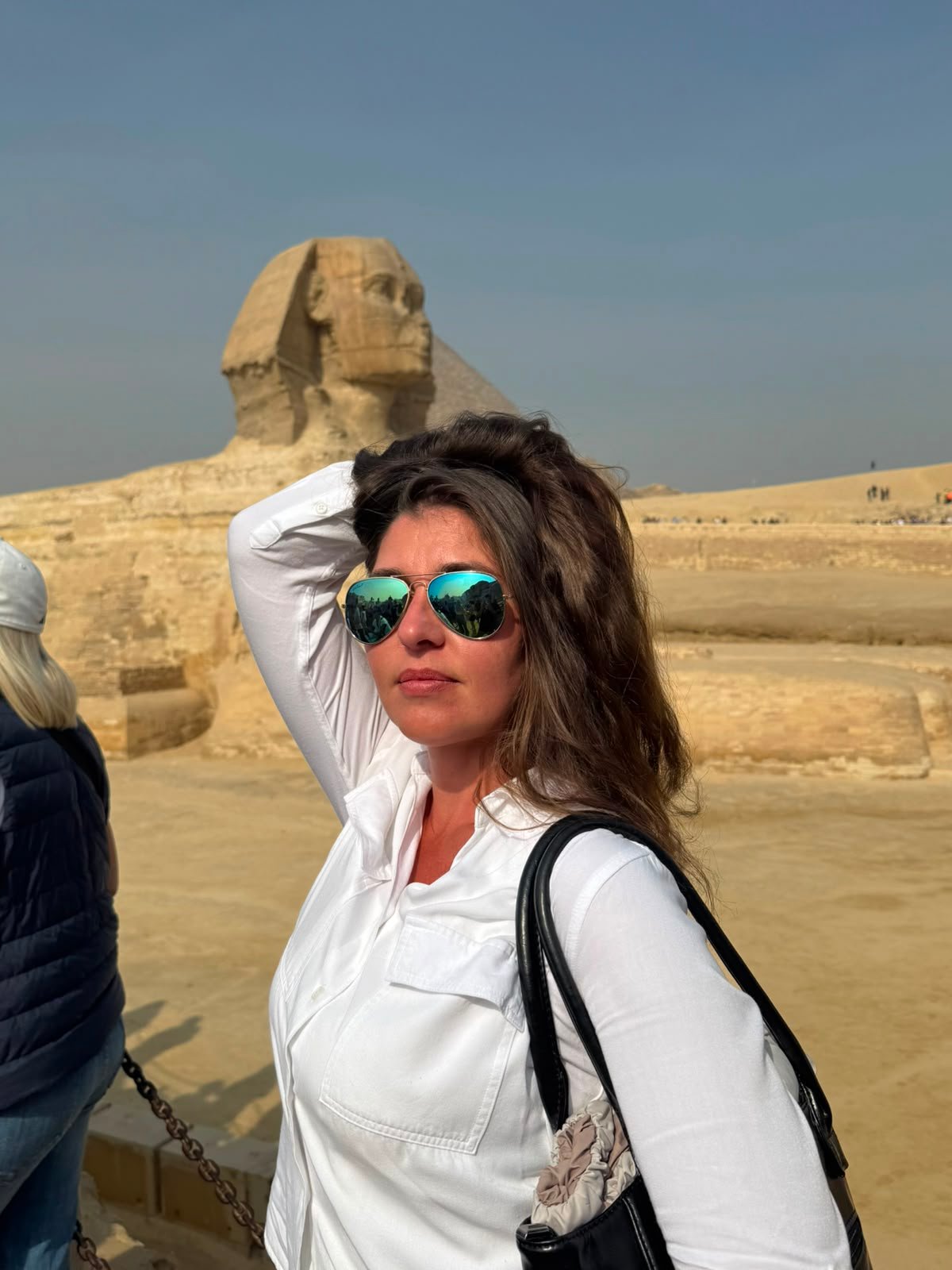

Check here Giza Pyramids – Grand Egyptian Museum – Sphinx – Memphis: Experience the absolute must-sees with professional, in-depth historical context. Family-friendly activities in Luxor: Specifically designed to keep the little ones engaged while parents soak in the history of the Valley of the Kings and beyond.