How to Plan a Trip to Egypt: Complete Guide 2026
Planning a journey to Egypt is a dream for millions of travelers around the world. The country offers one of the richest historical landscapes on Earth, with thousands of years of civilization, majestic monuments, breathtaking deserts, and vibrant cities. Understanding how to plan a trip to Egypt properly will help travelers enjoy their vacation without stress while maximizing their time exploring ancient wonders.
Egypt is not only about the pyramids. A well-designed Egypt travel itinerary includes temples, museums, desert landscapes, and the stunning waters of the Red Sea. Whether visitors stay for a week or two weeks, careful planning ensures that they can experience the best of Egyptian culture, history, and hospitality.
In this detailed guide, travelers will discover practical Egypt travel tips, recommended itineraries, transportation advice, accommodation options, and cultural insights. This article is designed to help anyone who wants to know how to plan a trip to Egypt with confidence.
Why Egypt Is One of the Best Travel Destinations in the World
Before planning logistics, it is important to understand why Egypt attracts millions of visitors each year. The country is home to some of the most iconic landmarks in the world, including:
- The Great Pyramids of Giza
- The Great Sphinx
- The Grand Egyptian Museum
- Luxor’s Valley of the Kings
- Karnak Temple complex
- Abu Simbel temples
- The Nile River
- The Red Sea coral reefs
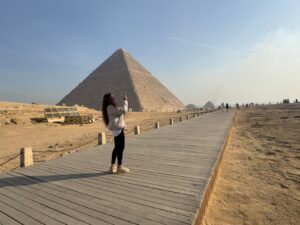
When travelers research how to plan a trip to Egypt, they quickly realize that the country offers far more than ancient monuments. Visitors can explore vibrant markets, enjoy traditional food, cruise along the Nile, and experience unique desert landscapes.
A balanced Egypt travel itinerary often combines cultural exploration with relaxation, allowing travelers to enjoy both the historical sites and the natural beauty of the country.
Step 1: Decide When to Visit Egypt
One of the most important Egypt travel tips is choosing the right time of year to visit.
Winter (October – April)
This is the best season for tourism in Egypt. Temperatures are mild and comfortable, especially for visiting outdoor archaeological sites.
Advantages:
- Ideal weather for sightseeing
- Comfortable desert temperatures
- Perfect conditions for Nile cruises
However, this is also the peak tourist season, so prices for hotels and tours may be higher.
Summer (May – September)
Summer in Egypt can be extremely hot, especially in southern cities such as Luxor and Aswan. However, it also offers some benefits.
Advantages:
- Lower hotel prices
- Fewer tourists
- Better travel deals
Many experienced travelers who know how to plan a trip to Egypt schedule their activities early in the morning during summer to avoid the intense afternoon heat.
Step 2: Determine the Length of Your Trip
The length of the trip significantly affects your Egypt travel itinerary. Egypt is a large country with many historical sites, so travelers should plan enough time to explore comfortably.
5–7 Days in Egypt
For a short trip, visitors usually focus on the most famous attractions.
Typical itinerary:
- Cairo (Pyramids, Sphinx, Grand Egyptian Museum)
- Luxor (Valley of the Kings, Karnak Temple)
This type of schedule is ideal for travelers who want to see the highlights quickly.
8–10 Days in Egypt
With more time, travelers can expand their Egypt travel itinerary to include:
- Cairo
- Luxor
- Aswan
- Abu Simbel
This allows visitors to explore the ancient temples along the Nile.
12–14 Days in Egypt
A longer stay allows tourists to combine culture with relaxation.
Typical itinerary includes:
- Cairo
- Luxor
- Aswan
- Nile Cruise
- Red Sea destinations such as Hurghada or Sharm El-Sheikh
Many travelers researching how to plan a trip to Egypt choose this option because it offers the perfect balance between historical exploration and leisure.
Step 3: Entry Requirements and Visa
One of the essential Egypt travel tips involves understanding visa requirements before arrival.
Most tourists can obtain a visa through one of the following methods:
Visa on Arrival
Available for many nationalities at Egyptian airports.
Cost: approximately 25 USD
E-Visa
Travelers can apply online before departure through the Egyptian government website.
Advantages:
- Faster airport process
- Secure online payment
- Avoid waiting in visa lines
Visitors planning how to plan a trip to Egypt should always check visa requirements based on their nationality before traveling.
Step 4: Choosing the Best Cities to Visit
A well-organized Egypt travel itinerary usually includes several key destinations.
Cairo
The capital city offers a mix of ancient and modern attractions:
- Pyramids of Giza
- Grand Egyptian Museum
- Islamic Cairo
- Coptic Cairo
- Khan El Khalili Bazaar
Cairo is often the starting point for travelers learning how to plan a trip to Egypt.
Luxor
Often described as the world’s greatest open-air museum, Luxor contains some of Egypt’s most important archaeological sites.
Highlights include:
- Valley of the Kings
- Karnak Temple
- Luxor Temple
- Temple of Hatshepsut
Aswan
A beautiful city along the Nile known for its relaxed atmosphere and stunning scenery.
Key attractions:
- Philae Temple
- Abu Simbel
- Nubian villages
Red Sea Destinations
For relaxation, many visitors add beach destinations such as:
- Hurghada
- Sharm El-Sheikh
- Dahab
- Marsa Alam
These destinations offer world-class diving and snorkeling.
Transportation Between Cities
Understanding transportation is another important step in how to plan a trip to Egypt.
Travelers can choose from several options.
Domestic Flights
Flights between Cairo, Luxor, and Aswan are quick and convenient.
Average flight time:
- Cairo to Luxor: about 1 hour
- Cairo to Aswan: about 1 hour 20 minutes
Train Travel
Egypt offers sleeper trains and daytime trains connecting major cities.
Advantages:
- Scenic views of the Nile Valley
- Comfortable overnight travel
Private Tours
Many tourists prefer organized tours, which include transportation, guides, and entrance tickets.
This is one of the most recommended Egypt travel tips for first-time visitors.
Cultural Tips for Travelers
Understanding local customs helps travelers enjoy their experience while respecting Egyptian culture as it is a part of how to plan a trip to Egypt.
Important Egypt travel tips include:
- Dress modestly when visiting religious sites
- Always carry water during sightseeing
- Use sunscreen and hats in the desert climate
- Learn a few Arabic greetings such as “Shukran” (Thank you)
Egyptians are known for their hospitality, and visitors who respect local traditions often receive warm welcomes.
Why Guided Tours Improve Your Experience
When researching how to plan a trip to Egypt, many travelers wonder whether they should explore independently or with a guide.
Professional guides offer several advantages:
- Historical explanations of ancient monuments
- Assistance navigating large archaeological sites
- Cultural insights about Egyptian life
- Efficient scheduling for busy itineraries
Guides also help visitors understand complex temples, hieroglyphs, and historical events that shaped ancient Egypt.
Planning the perfect vacation requires careful organization, especially when visiting a country with thousands of years of history like Egypt. Many travelers begin researching how to plan a trip to Egypt months before departure because the country offers countless destinations and experiences. A well-structured Egypt travel itinerary helps visitors maximize their time, avoid travel stress, and enjoy every moment exploring ancient temples, vibrant cities, and beautiful natural landscapes.
In this stage of the guide, we will explore detailed itinerary examples, accommodation advice, transportation options, and practical Egypt travel tips that will help tourists design the perfect journey.
Building the Perfect Egypt Travel Itinerary
One of the most important parts of learning how to plan a trip to Egypt is creating a balanced travel schedule. Egypt offers an extraordinary number of archaeological sites and attractions, but trying to see everything in a short period can make the trip exhausting.
The best approach is to combine cultural exploration with relaxation, allowing time to appreciate each destination. A well-organized Egypt travel itinerary typically includes Cairo, Luxor, and Aswan, while longer trips often include a Red Sea destination such as Hurghada or Sharm El-Sheikh.
7-Day Egypt Travel Itinerary
Egypt travel itinerary
A one-week visit is perfect for travelers who want to see the most iconic landmarks while maintaining a comfortable pace. Many visitors who are researching how to plan a trip to Egypt choose this option because it covers the country’s most famous historical attractions.
Day 1 – Arrival in Cairo
Most international flights arrive in Cairo, the capital city of Egypt. After arrival:
- Transfer to your hotel
- Relax and adjust to the local time zone
- Enjoy dinner overlooking the Nile River
Many hotels offer rooftop restaurants with stunning views of the city.
Day 2 – Pyramids of Giza and the Sphinx
No Egypt travel itinerary is complete without visiting the pyramids.
Highlights include:
- The Great Pyramid of Khufu
- The Pyramid of Khafre
- The Pyramid of Menkaure
- The Great Sphinx
Visitors can also enjoy camel riding in the desert near the pyramids, one of the most popular experiences in Egypt.
During the afternoon, tourists often visit:
- The Grand Egyptian Museum (GEM)
- Papyrus institutes
- Traditional perfume shops
These experiences provide deeper insights into Egyptian culture.
Day 3 – Islamic Cairo and Old Cairo
Another important step in learning how to plan a trip to Egypt is exploring the historical districts of Cairo.
Important attractions include:
- The Citadel of Saladin
- The Mosque of Muhammad Ali
- Coptic Cairo churches
- The Hanging Church
- Khan El-Khalili Bazaar
Walking through these areas allows visitors to experience centuries of Egyptian history.
Day 4 – Travel to Luxor
Luxor is often described as the world’s largest open-air museum. Travelers can reach Luxor by domestic flight, which takes about one hour.
Evening activities may include:
- Visiting Luxor Temple
- Walking along the Nile corniche
- Enjoying traditional Egyptian cuisine
Day 5 – Valley of the Kings and West Bank
This day is one of the highlights of any Egypt travel itinerary.
Important sites include:
- Valley of the Kings
- Temple of Queen Hatshepsut
- Colossi of Memnon
Visitors can explore the tombs of ancient pharaohs decorated with colorful hieroglyphs and wall paintings.
Egypt travel itinerary
Day 6 – Karnak Temple and Return to Cairo
Karnak Temple is the largest temple complex ever built in Egypt. Highlights include:
- The Great Hypostyle Hall
- Sacred Lake
- Obelisks and statues
After exploring Karnak, travelers usually return to Cairo by flight.
Day 7 – Departure from Egypt travel itinerary
Before departure, visitors may enjoy:
- A Nile felucca ride
- Shopping for souvenirs
- Visiting local cafes
Understanding how to plan a trip to Egypt allows travelers to include memorable cultural experiences even on the final day.
10-Day Egypt Travel Itinerary
For travelers with more time, a 10-day trip offers a richer experience and a more relaxed pace.
A typical Egypt travel itinerary for ten days includes:
- Cairo (3 days)
- Luxor (3 days)
- Aswan (2 days)
- Abu Simbel (1 day)
- Return to Cairo (1 day)
This schedule allows visitors to explore both Upper Egypt and Lower Egypt.
Aswan: A Hidden Gem
Many travelers researching how to plan a trip to Egypt are surprised by the beauty of Aswan.
Aswan offers:
- Stunning Nile landscapes
- Nubian culture
- Relaxed atmosphere
Important attractions include:
- Philae Temple
- The Unfinished Obelisk
- Nubian villages
Visitors can also take a boat ride to Elephantine Island or enjoy a sunset felucca ride.
Abu Simbel Temples
Located near the Sudanese border, Abu Simbel is one of Egypt’s most impressive monuments.
The temples were built by Pharaoh Ramses II and later relocated during the construction of the Aswan High Dam.
Highlights include:
- Giant statues of Ramses II
- Intricate interior carvings
- Sun alignment phenomenon twice per year
Adding Abu Simbel to your Egypt travel itinerary is highly recommended for history enthusiasts.
14-Day Egypt Travel Itinerary
Travelers who want to experience everything Egypt offers often choose a two-week trip.
A complete Egypt travel itinerary for 14 days may include:
- Cairo
- Alexandria
- Luxor
- Aswan
- Nile Cruise
- Red Sea resorts
This type of itinerary offers the perfect combination of culture, relaxation, and adventure.
Nile Cruises
A Nile cruise is one of the most unforgettable experiences in Egypt. Many tourists researching how to plan a trip to Egypt dream of sailing along the same river that supported one of the world’s greatest civilizations.
Most cruises travel between Luxor and Aswan over 3–4 nights.
Excursions typically include:
- Edfu Temple
- Kom Ombo Temple
- Local villages along the Nile
Cruises provide luxury accommodations, meals, and guided tours.
Accommodation Options in Egypt
Understanding accommodation choices is another important part of how to plan a trip to Egypt.
Egypt offers a wide range of hotels, including:
Luxury Hotels
Examples include international brands and historic hotels.
Features:
- Nile views
- Swimming pools
- Spa services
- Fine dining restaurants
Luxury hotels are common in Cairo, Luxor, and Red Sea destinations.
Boutique Hotels
Boutique hotels offer unique experiences with personalized service.
Advantages:
- Authentic atmosphere
- Local design and architecture
- Smaller, quieter environments
Many boutique hotels provide views of the pyramids or the Nile.
Budget Hotels
Travelers with limited budgets can still enjoy comfortable accommodation.
Budget hotels often include:
- Clean rooms
- Basic breakfast
- Convenient locations
Budget travel is becoming increasingly popular among tourists researching how to plan a trip to Egypt.
Egyptian Cuisine and Food Experiences
Trying local food is an essential part of any Egypt travel itinerary.
Popular dishes include:
Koshari
One of Egypt’s most famous street foods.
Ingredients include:
- Rice
- Lentils
- Pasta
- Tomato sauce
- Fried onions
Shopping and Souvenirs
Visitors often include shopping stops in their Egypt travel itinerary.
Popular souvenirs include:
- Papyrus paintings
- Handcrafted jewelry
- Alabaster statues
- Egyptian spices
- Traditional textiles
Khan El-Khalili Bazaar in Cairo is one of the best places for shopping.
Cultural Etiquette for Tourists
Understanding local customs is an important part of how to plan a trip to Egypt.
Helpful Egypt travel tips include:
- Dress modestly when visiting mosques or churches
- Always ask permission before photographing people
- Bargaining is common in markets
- Tipping is customary in many services
These cultural practices help travelers interact respectfully with local communities.
Why Professional Guides Are Helpful
Many travelers choose guided tours when planning how to plan a trip to Egypt.
Benefits include:
- Detailed historical explanations
- Easier navigation through archaeological sites
- Time-saving itineraries
- Cultural insights
Guides can transform a simple visit into a meaningful historical journey.
Traditional Egyptian Food and Culinary Experiences
Many visitors fall in love with Egyptian dishes because they are simple, flavorful, and made with fresh ingredients.
Some of the most popular traditional dishes include:
Koshari – A famous Egyptian street food made with rice, lentils, pasta, chickpeas, tomato sauce, and fried onions.
Ful Medames – Slow-cooked fava beans served with olive oil, lemon, garlic, and spices. It is one of the oldest dishes in Egyptian cuisine.
Taameya (Egyptian Falafel) – Made from fava beans instead of chickpeas, giving it a unique taste and texture.
Molokhia – A green leafy soup served with rice and chicken or rabbit.
Mahshi – Vegetables such as zucchini, peppers, and grape leaves stuffed with rice and herbs.
Dining in Egypt is often a social experience. Meals are shared with family and friends, and restaurants often serve generous portions meant for groups.
Travelers who want an authentic experience should try eating at traditional local restaurants or small neighborhood cafés where the food reflects the true taste of Egyptian culture.
Exploring Traditional Egyptian Markets (Bazaars)
One of the most exciting cultural experiences in Egypt is visiting traditional markets known as souks or bazaars. These markets are vibrant places filled with colors, sounds, and aromas.
The most famous market in Egypt is Khan El Khalili in Cairo, which has existed since the 14th century. Walking through its narrow alleys feels like traveling back in time.
Visitors can find a wide variety of items such as:
- Handmade jewelry
- Traditional lanterns
- Papyrus paintings
Traditional Egyptian Coffeehouses
Egyptian coffeehouses, known locally as “Ahwas,” are an essential part of daily social life. These cafés have existed for centuries and continue to be gathering places where people meet to relax, talk, and enjoy traditional drinks.
Some of the most popular drinks served in these cafés include:
Egyptian Coffee (Ahwa) – Strong coffee often flavored with cardamom.
Mint Tea – A refreshing drink served throughout the day.
Hibiscus Juice (Karkade) – A bright red drink served hot or cold.
Sugarcane Juice – Freshly squeezed and very popular in summer.
Visitors often enjoy sitting in these cafés to watch local life unfold around them. Some traditional cafés also host musicians, storytellers, or backgammon players, creating a charming cultural atmosphere.
Religious Diversity and Historic Places of Worship
Egypt is home to a rich religious history that includes Islamic, Christian, and Jewish traditions.
Travelers can explore historic religious sites such as:
- Ancient mosques in Islamic Cairo
- Historic churches in Coptic Cairo
- The famous Hanging Church
- Ben Ezra Synagogue
Egyptian Festivals and Celebrations
Throughout the year, Egypt hosts many festivals and celebrations that reflect local traditions.
Some of the most famous events include:
Sham El Nessim – A spring festival celebrated by Egyptians of all backgrounds with picnics and traditional foods.
Abu Simbel Sun Festival – A spectacular event when sunlight illuminates the inner sanctuary of the Abu Simbel temple.
Ramadan Nights – During the holy month of Ramadan, cities come alive with decorative lanterns, evening gatherings, and festive meals.
Experiencing these celebrations allows travelers to witness the vibrant cultural life of the country.
How to Plan the Perfect Trip to Egypt: Itineraries, Luxury Experiences, and Travel Tips
However, because Egypt has so many historical sites and destinations spread across the country, travelers often ask an important question: How can I plan the perfect itinerary?
The answer depends on several factors such as travel duration, personal interests, and preferred style of travel. Some visitors focus mainly on ancient history, while others combine cultural exploration with luxury relaxation or desert adventures.
This guide will help travelers understand how to design an ideal Egypt travel itinerary, including recommended travel routes, luxury travel options, and practical tips for a smooth journey.
Choosing the Best Time to Visit Egypt
Egypt is a year-round destination, but the best time to visit depends largely on weather conditions and travel preferences.
The most popular travel season is between October and April, when temperatures are mild and comfortable for sightseeing. During this period, exploring outdoor attractions such as temples, pyramids, and archaeological sites is much more pleasant.
The Classic Egypt Travel Route
For travelers visiting Egypt for the first time, the classic travel route usually includes three main destinations: Cairo, Luxor, and Aswan.
These cities form the heart of Egypt’s historical and cultural tourism.
Cairo – The Gateway to Ancient Egypt
Cairo is the starting point for most international travelers. The city offers an incredible combination of ancient history and vibrant modern life.
Key attractions in Cairo include the Pyramids of Giza, the Sphinx, and the Grand Egyptian Museum, which houses thousands of artifacts from ancient Egyptian civilization.
Visitors also enjoy exploring Islamic Cairo, visiting the Citadel of Saladin, and wandering through the historic Khan El Khalili bazaar.
Because Cairo has so many attractions, most travelers spend two or three days exploring the city.
Luxor – The World’s Greatest Open-Air Museum
Luxor is often described as the world’s greatest open-air museum because it contains an extraordinary concentration of ancient monuments.
The east bank of Luxor is home to the famous Karnak Temple and Luxor Temple, two of the most impressive temple complexes in Egypt.
On the west bank, travelers can explore the Valley of the Kings, where the tombs of ancient pharaohs were discovered, including the tomb of Tutankhamun.
Other remarkable sites include the Temple of Hatshepsut, the Colossi of Memnon, and several lesser-known but fascinating tombs.
Many travelers spend two or three days in Luxor to fully appreciate these incredible historical sites.
Aswan – Tranquility and Nubian Culture
Aswan offers a more relaxed atmosphere compared to the larger cities of Cairo and Luxor.
Located along the Nile in southern Egypt, the city is known for its scenic beauty, warm climate, and rich Nubian heritage.
Visitors can explore sites such as the Philae Temple, the High Dam, and the Unfinished Obelisk.
A highlight of many trips to Aswan is a visit to the magnificent Abu Simbel temples, which were relocated during the construction of the High Dam to save them from flooding.
Travelers also enjoy visiting Nubian villages, taking felucca boat rides on the Nile, and relaxing in beautiful riverside hotels.
Nile Cruises: A Classic Egyptian Experience
One of the most popular ways to explore Upper Egypt is by taking a Nile cruise between Luxor and Aswan.
These cruises combine sightseeing with relaxation, allowing travelers to visit several ancient temples while enjoying comfortable accommodations and scenic river views.
Typical Nile cruise itineraries include stops at important historical sites such as:
- Edfu Temple
- Kom Ombo Temple
- Karnak Temple
- Luxor Temple
- Philae Temple
Cruises usually last between three and five days and provide guided tours with Egyptologists who explain the history and significance of each site.
For many travelers, sailing along the Nile while watching the countryside pass by is one of the most magical experiences in Egypt.
Luxury Travel Experiences in Egypt
Luxury hotels in Cairo often provide spectacular views of the pyramids, while riverside resorts in Aswan offer peaceful settings along the Nile.
Private guided tours allow travelers to explore archaeological sites at their own pace with expert Egyptologists who provide deeper insights into ancient history.
Some luxury travel experiences in Egypt include:
- Private pyramid tours with expert guides
- Luxury Nile cruises with gourmet dining
- Hot air balloon rides over Luxor at sunrise
- Exclusive desert safaris with luxury camps
- Private yacht excursions on the Red Sea
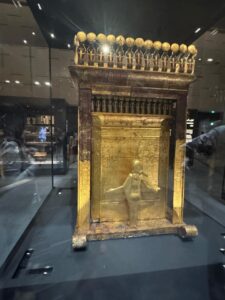
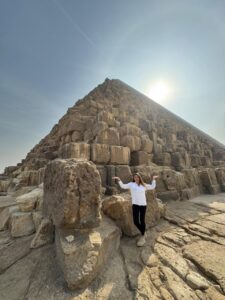
These experiences provide a more intimate and comfortable way to explore Egypt’s incredible attractions.
Desert Adventures and Unique Landscapes
Beyond its famous historical sites, Egypt also offers spectacular natural landscapes.
The Western Desert is home to several remarkable destinations such as the White Desert, known for its surreal chalk rock formations that resemble giant sculptures.
Visitors can explore these landscapes through desert safaris that include off-road vehicles, camping under the stars, and visits to remote oases.
Other popular desert destinations include:
- Siwa Oasis
- Bahariya Oasis
- The Black Desert
- Crystal Mountain
These locations offer unique opportunities for adventure travel, photography, and cultural interaction with desert communities.
The Red Sea: A Paradise for Beach Lovers
Although many travelers visit Egypt primarily for its historical sites, the country’s Red Sea coastline is one of the most beautiful marine environments in the world.
Popular Red Sea destinations include Sharm El Sheikh, Hurghada, and Marsa Alam.
These resorts offer pristine beaches, luxury hotels, and world-class diving and snorkeling opportunities.
The Red Sea is famous for its vibrant coral reefs and diverse marine life, making it one of the top diving destinations globally.
Visitors who combine cultural tours with a few days at the Red Sea often enjoy a perfect balance of adventure, relaxation, and exploration.
Practical Tips for Traveling in Egypt
Planning a trip to Egypt becomes much easier when travelers know a few practical tips.
Use professional tour operators: Guided tours help visitors navigate historical sites efficiently and gain deeper insights into Egypt’s history.
Plan transportation carefully: Domestic flights are the fastest way to travel between Cairo, Luxor, and Aswan.
Stay hydrated: Egypt’s climate can be dry and warm, so drinking plenty of water is important.
Dress comfortably: Lightweight clothing, comfortable walking shoes, and sun protection are essential for exploring outdoor sites.
Respect local customs: Egypt is a culturally rich country, and respecting local traditions helps create positive travel experiences.
Why Egypt Should Be on Every Traveler’s Bucket List
Egypt offers a travel experience unlike any other destination in the world. Few countries combine such ancient history, architectural wonders, vibrant culture, and diverse landscapes in one place.
From standing before the pyramids that have existed for over 4,500 years to sailing along the timeless Nile River, every moment in Egypt feels like a journey through history.
Whether travelers seek archaeological exploration, cultural immersion, luxury experiences, or natural adventures, Egypt provides endless possibilities.
For those planning their next unforgettable journey, Egypt remains one of the most extraordinary destinations on Earth.
Why Egypt Tours with Local Experts Make Your Trip Unforgettable
Traveling to Egypt is a dream for millions of people around the world. The country is filled with breathtaking monuments, mysterious temples, and ancient cities that have shaped human civilization. However, many travelers quickly realize that how to plan a trip to Egypt properly can make a huge difference between an ordinary trip and an unforgettable adventure.
Choosing the right travel plan, organizing transportation, and understanding local culture are essential parts of creating the perfect Egypt travel itinerary. This is why experienced local tour operators play a very important role in helping visitors enjoy Egypt safely, comfortably, and efficiently.
Professional tour companies understand every detail of tourism in Egypt. They know the best times to visit historical sites, the most comfortable transportation options, and the hidden places that most tourists never discover. When travelers follow expert Egypt travel tips, they can explore Egypt with confidence and enjoy every moment of their journey.
A well-organized Egypt tour allows visitors to see the country’s most famous landmarks while avoiding unnecessary stress. Instead of worrying about transportation, tickets, or schedules, travelers can focus on enjoying the beauty of ancient monuments, the hospitality of local culture, and the magical atmosphere that makes Egypt so unique.
The Importance of Planning Your Egypt Travel Itinerary
A carefully designed Egypt travel itinerary ensures that travelers experience the most important attractions without feeling rushed. Egypt is a large country, and its historical treasures are spread across several cities.
For example, Cairo alone offers numerous attractions including the Pyramids of Giza, the Sphinx, the Grand Egyptian Museum, the Citadel of Saladin, and the historic streets of Islamic Cairo. Without proper planning, visitors may miss some of these incredible sites.
When planning how to plan a trip to Egypt, travelers should consider the balance between sightseeing and relaxation. Visiting too many places in one day can become exhausting, especially under the Egyptian sun.
Professional travel planners understand this balance and design itineraries that allow travelers to enjoy each destination at a comfortable pace.
Why Local Knowledge Matters
Local tour guides are one of the greatest advantages when visiting Egypt. These experts are not only knowledgeable about ancient history but also deeply familiar with the culture, traditions, and daily life of the country.
When travelers follow professional Egypt travel tips, they can gain access to unique experiences that independent travelers often miss.
For example, local guides can explain the hidden stories behind ancient monuments, recommend authentic restaurants serving traditional Egyptian cuisine, and help travelers interact respectfully with local communities.
This type of knowledge transforms a normal sightseeing trip into a meaningful cultural experience.
Safety and Comfort While Traveling in Egypt
Many travelers researching how to plan a trip to Egypt are concerned about safety, transportation, and organization. The good news is that Egypt has a well-developed tourism infrastructure and millions of visitors travel to the country every year.
Booking tours with trusted local companies ensures that travelers receive reliable transportation, licensed tour guides, and carefully planned schedules.
Comfortable vehicles, experienced drivers, and professional tour coordinators help ensure a smooth travel experience from arrival to departure.
Unique Experiences That Make Egypt Special
Egypt is not just about ancient monuments. The country offers many unforgettable experiences that make every trip unique.
Visitors can enjoy:
• Camel rides beside the pyramids
• Hot air balloon flights over Luxor at sunrise
• Nile cruises between Luxor and Aswan
• Desert safaris in the White Desert
• Snorkeling and diving in the Red Sea
These experiences allow travelers to see Egypt from different perspectives and create memories that last a lifetime.
When planning how to plan a trip to Egypt, including a variety of activities helps make the journey more exciting and balanced.
Egypt Travel Tips for First-Time Visitors
Travelers who follow smart Egypt travel tips can enjoy a smoother and more comfortable journey.
Some useful recommendations include:
• Start sightseeing early in the morning to avoid heat and crowds
• Wear comfortable walking shoes for exploring archaeological sites
• Stay hydrated and carry bottled water
• Respect local customs and dress modestly when visiting religious sites
• Always book tours with licensed and experienced guides
These simple steps help travelers fully enjoy their Egypt travel itinerary without unnecessary challenges.
Why Egypt Continues to Fascinate the World
Standing before the pyramids of Giza, visitors realize they are witnessing one of the greatest engineering achievements in human history.
Temples such as Karnak and Abu Simbel demonstrate the artistic and architectural brilliance of ancient Egyptian civilization.
When travelers learn how to plan a trip to Egypt correctly, they can explore these wonders in a way that truly brings history to life.
Conclusion
By following professional Egypt travel tips and creating a carefully planned Egypt travel itinerary, travelers can discover the beauty, mystery, and history that make Egypt one of the most remarkable destinations on Earth.
FAQ
Is Egypt safe for tourists? how to plan a trip to Egypt.
Yes. Egypt welcomes millions of tourists every year. Most tourist areas such as Cairo, Luxor, Aswan, and the Red Sea resorts are well organized and safe for visitors.
How many days are enough to visit Egypt? how to plan a trip to Egypt
A typical Egypt trip lasts between 7 and 12 days. This allows travelers to explore Cairo, Luxor, Aswan, and possibly the Red Sea.
What is the best time to visit Egypt?
The best time to visit Egypt is between October and April when temperatures are cooler and more comfortable for sightseeing.
Do I need a tour guide in Egypt? how to plan a trip to Egypt.
While independent travel is possible, hiring a licensed guide greatly improves the experience by providing historical insights and easier access to attractions.
What should I include in an Egypt travel itinerary? Egypt travel tips
A well-balanced itinerary usually includes Cairo, the Pyramids of Giza, the Grand Egyptian Museum, Luxor temples, the Valley of the Kings, Aswan, and possibly a Nile cruise.
what are the best places to visit in luxor

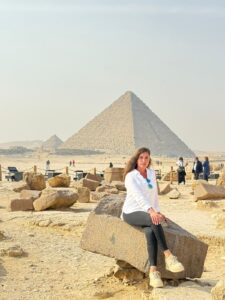
https://momotoursegypt.com/trip/aswan-abu-simbel-full-day-tour/what are the best places to visit in luxor
Website: momotoursegypt.com https://momotoursegypt.com/trip/the-pyramids-the-sphinx-the-egyptian-museum-felucca-ride-on-the-nile/
📲 WhatsApp: +201023675232
- WorldHeritageSite.org – Pyramids (Memphis): https://www.worldheritagesite.org/list/pyramids‑memphis/ World Heritage Site
- UNESCO – Ancient Thebeshttps://momotoursegypt.com/trip/west-bank-luxor-tour-valley-of-the-kings-valley-of-the-queens-hatshepsut-temple-ramesseum-colossi-of-memnon-optional-hot-air-balloon-ride/ with its Necropolis (Luxor / Thebes): https://whc.unesco.org/en/list/87/ UNESCO World Heritage Centre
- Egyptian Ministry of Tourism & Antiquities – Ancient Thebes: https://egymonuments.gov.eg/world-heritage/ancient-thebes-and-its-necropolis/ EgyMonuments