
10 unvergessliche Erlebnisse in Ägypten, die Sie vor Ihrem Tod erleben sollten
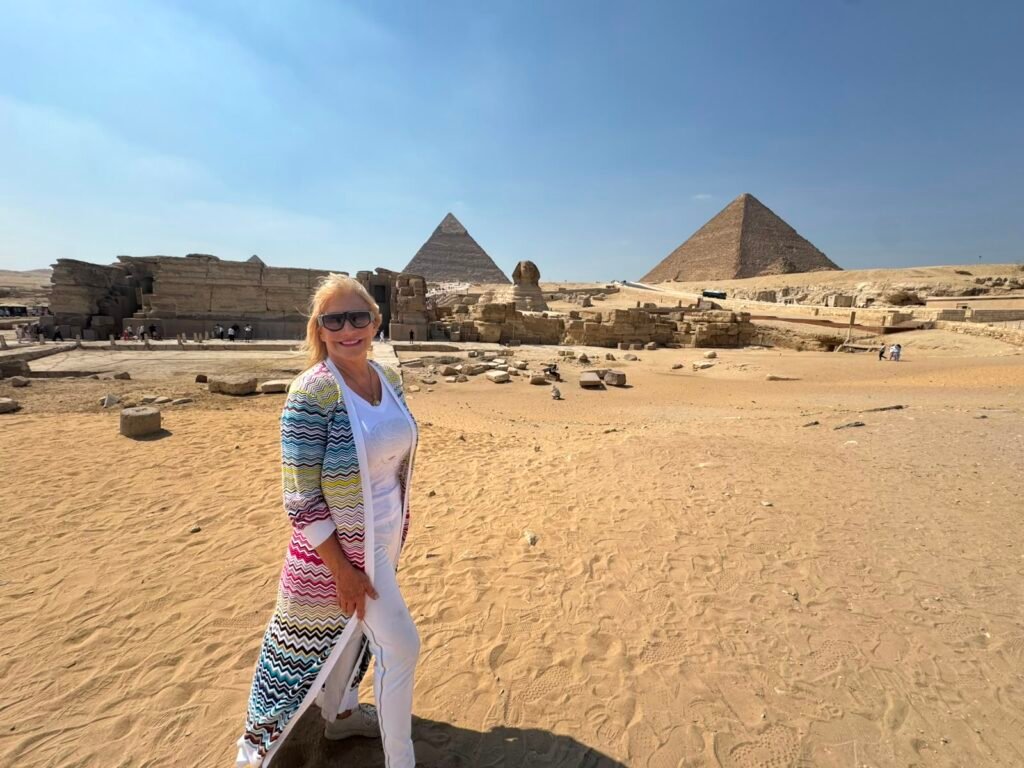
10 unvergessliche Erlebnisse in Ägypten, die Sie vor Ihrem Tod erleben sollten Ägypten ist eines der wenigen Reiseziele der Welt, das jede Erwartung übertrifft. Zwischen den Pyramiden von Gizeh, dem endlosen Blau des Roten Meeres und den jahrtausendealten Tempeln am Nil liegt ein Land, das Geschichte, Abenteuer und Kultur auf einzigartige Weise vereint. Wer eine Ägypten Rundreise mit Höhepunkten plant, steht schnell vor der Frage: Was darf auf keinen Fall fehlen? In diesem Artikel stellen wir Ihnen zehn Erlebnisse vor, die jede Reise nach Ägypten unvergesslich machen – von den weltberühmten Pyramiden bis zu versteckten Momenten abseits der Touristenpfade. privat-reiseleiter-in-agypten/ Egal, ob Sie zum ersten Mal nach Nordafrika reisen oder bereits mehrere Länder der Region kennen – Ägypten hat eine besondere Wirkung. Es ist eines der wenigen Länder, in denen sich die Geschichte nicht nur in Museen befindet, sondern direkt vor der Haustür beginnt. Schon der erste Blick auf die Pyramiden vom Flugzeugfenster aus löst bei den meisten Reisenden Gänsehaut aus. Diese Mischung aus Ehrfurcht, Abenteuerlust und kultureller Neugier ist es, die Ägypten seit über einem Jahrhundert zu einem der beliebtesten Reiseziele der Welt macht. Die folgenden zehn Erlebnisse wurden bewusst so ausgewählt, dass sie unterschiedliche Facetten des Landes zeigen: antike Baukunst, moderne Museumsarchitektur, Naturschönheiten unter Wasser, pulsierendes Stadtleben und ruhige, kontemplative Momente auf dem Wasser. Zusammen ergeben sie eine ideale Grundlage für jede individuelle Reiseplanung, egal ob Sie zwei Wochen Zeit haben oder nur einen kurzen Zwischenstopp auf dem Weg in ein anderes Land einlegen. Der Sonnenaufgang an den Pyramiden von Gizeh Kein anderes Bauwerk der Welt symbolisiert menschlichen Ehrgeiz so sehr wie die Pyramiden von Gizeh. Doch die meisten Besucher kennen sie nur überfüllt und in praller Mittagshitze. Wer wirklich verstehen will, warum Millionen Reisende jedes Jahr hierherkommen, sollte den Sonnenaufgang erleben. In der Morgendämmerung liegt eine besondere Stille über dem Plateau, das Licht färbt den Sandstein in warmen Gold- und Orangetönen, und die gewaltigen Steinblöcke wirken beinahe lebendig. Viele erfahrene Reiseveranstalter bieten mittlerweile private Frühtouren an, bei denen Gäste noch vor den großen Reisebussen am Plateau ankommen. Wer eine solche Nilkreuzfahrt mit Ägypten Highlights bucht, kombiniert diesen magischen Moment oft direkt mit einem Besuch der Sphinx, die nur wenige Schritte entfernt wacht. Fotografen schwärmen besonders von diesem Zeitfenster, da das weiche Morgenlicht kaum Schatten wirft und die Konturen der Pyramiden klar hervortreten lässt. Praktisch gesehen lohnt es sich, bereits am Vorabend einen zuverlässigen Fahrer oder eine geführte Tour zu organisieren, da das Plateau selbst erst zur regulären Öffnungszeit zugänglich ist, private Fotografie-Termine außerhalb der Öffnungszeiten aber zunehmend angeboten werden. Wer zusätzlich Zeit einplant, kann im Anschluss die kleineren Nebenpyramiden der Königinnen besichtigen, die von den meisten Besuchergruppen übersehen werden, obwohl sie architektonisch mindestens genauso interessant sind. Auch ein kurzer Spaziergang zum Panoramapunkt am Rand der Wüste lohnt sich, da man von dort aus alle drei großen Pyramiden gleichzeitig im Bild einfangen kann. Eine Nilkreuzfahrt zwischen Luxor und Assuan Der Nil ist die Lebensader Ägyptens, und eine Fahrt entlang seines Ufers gehört zu den entspannendsten Arten, das Land zu entdecken. Auf einer mehrtägigen Kreuzfahrt zwischen Luxor und Assuan gleitet man an Palmenhainen, Dörfern und antiken Tempeln vorbei, während an Deck ein kühles Getränk serviert wird. Die Route führt vorbei am Tal der Könige, dem Karnak-Tempel und dem Edfu-Tempel – jeder Stopp ein eigenes Kapitel pharaonischer Geschichte. Für viele amerikanische und europäische Reisende ist genau diese Kombination aus Komfort und Kultur der Grund, warum sie sich für eine geführte Nilkreuzfahrt mit Ägypten Highlights entscheiden. Man muss sich um Logistik, Transfers oder Ticketorganisation nicht kümmern und kann sich stattdessen voll auf die Landschaft und die Geschichten der Guides konzentrieren. Abends, wenn die Sonne hinter den Klippen des Niltals versinkt, verwandelt sich das Deck in einen ruhigen Ort zum Nachdenken über Jahrtausende Geschichte. Die meisten Kreuzfahrtschiffe verkehren zwischen drei und sieben Nächten und bieten Vollpension, klimatisierte Kabinen sowie Ausflüge zu den wichtigsten Tempeln entlang der Route. Wer zusätzlich Ruhe sucht, sollte auf kleinere Schiffe mit maximal vierzig Kabinen achten, da diese oft persönlicher und weniger hektisch wirken als die großen Flotten mit mehreren hundert Passagieren. Die beste Reisezeit für eine Nilkreuzfahrt liegt zwischen Oktober und April, wenn die Temperaturen tagsüber angenehm und abends an Deck angenehm mild sind. In den Sommermonaten hingegen steigen die Temperaturen in Oberägypten häufig auf über vierzig Grad, was Landausflüge deutlich anstrengender macht. Der Karnak-Tempel bei Sonnenuntergang Karnak ist kein einzelner Tempel, sondern eine ganze Tempelstadt – gebaut, erweitert und verändert über mehr als zweitausend Jahre. Der berühmte Säulensaal mit seinen 134 gewaltigen Sandsteinsäulen gehört zu den beeindruckendsten Räumen, die die Antike hervorgebracht hat. Wer Karnak am späten Nachmittag besucht, entkommt nicht nur der Hitze, sondern erlebt auch, wie das Licht durch die Säulenreihen fällt und lange Schatten auf den Boden zeichnet. Besonders lohnenswert ist die abendliche Ton- und Lichtshow, bei der die Geschichte des Tempels über Lautsprecher erzählt wird, während die Ruinen in wechselnden Farben angestrahlt werden. Diese Inszenierung ist zwar touristisch, vermittelt aber einen packenden Eindruck davon, wie zentral dieser Ort einst für das religiöse Leben Ägyptens war. Neben dem großen Säulensaal lohnt sich auch ein Abstecher zum heiligen See innerhalb der Anlage, an dem einst Priester rituelle Reinigungen durchführten. Der etwa drei Kilometer lange Sphinxweg, der Karnak einst direkt mit dem Luxor-Tempel verband, wird derzeit archäologisch weiter freigelegt und lässt erahnen, wie monumental die gesamte Tempelstadt einst gewirkt haben muss. Wer genug Zeit einplant, kann beide Tempel an einem Tag besuchen und so die enge historische Verbindung zwischen ihnen direkt nachvollziehen. Abu Simbel – die Tempel Ramses’ II. Wer bereit ist, früh aufzustehen, wird mit einem der spektakulärsten Bauwerke Ägyptens belohnt. Die beiden Felsentempel von Abu Simbel liegen tief im Süden, nahe der Grenze zum Sudan, und wurden in den 1960er-Jahren in einer beispiellosen Rettungsaktion vor den Fluten des Assuan-Staudamms bewahrt. Die vier kolossalen Statuen Ramses’ II. an der Fassade gehören zu den eindrucksvollsten Beispielen altägyptischer Baukunst. Da die meisten Reisegruppen erst später am Vormittag eintreffen, lohnt sich eine frühe Abfahrt, um die riesigen Statuen ganz für sich zu haben. Zweimal im Jahr,
Discover Bahariya Oasis to White Desert travel with Momo tours Egypt
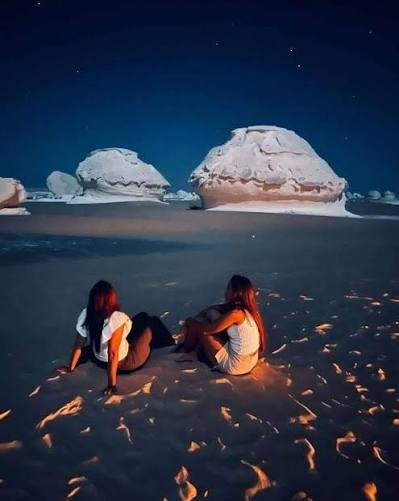
The White Desert & Black Desert A Surreal Journey of Alien Landscapes, Chalk Sculptures, and Starry Nights Distance from Cairo to White Desert : ~370 km to Bahariya Oasis (approx. 4.5 to 5 hours drive). Best Time to Visit: October to April (Winter offers crisp, cold nights perfect for campfires and comfortable daytime hiking). Vibe: Cosmic, otherworldly, adventurous, and deeply spiritual. [ Cairo ] | | (approx. 4.5 Hours Drive) v =============================================== | BAHARIYA OASIS | | (The gateway to the Western Desert) | | | | | v | | [ Black Desert ] | | (Volcanic hills & dark silica) | | | | | v | | [ Crystal Mountain ] | | (Quartz crystal formations) | | | | | v | | [ White Desert ] | | (Chalk sculptures & star gazing) | =============================================== If you have ever dreamed of leaving planet Earth and landing on the moon, you do not need a spaceship—you only need to drive southwest of Cairo. The White Desert and its dramatic neighbor, the Black Desert, form one of the most visually stunning natural wonders in the world. look this page to see when to visit Egypt /best-time-to-visit-egypt-weather to white desert and black desert Historically connected to the ancient transit routes, this region starts at the beautiful Bahariya Oasis before plunging you into a timeless landscape of volcanic peaks, glittering crystals, and giant wind-carved chalk towers. To experience this breathtaking Egypt adventure, you must prepare for a long day of travel, but the reward is an unforgettable night of classic desert camping under a canopy of a million stars. 🚗 How to Get There & Logistics An expedition to this remote area requires careful planning. While some travelers attempt a massive 18-hour day trip, the absolute best way to experience it is an overnight desert camping trip. Your journey starts by driving from Cairo to the Bahariya Oasis, which acts as the official gateway. You can reach the oasis by private car or public bus. Once you arrive in Bahariya Oasis, you must switch to a licensed local Bedouin 4×4 vehicle. Standard cars cannot navigate the rugged terrain of the White Desert or the steep dunes of the Black Desert. Booking a guided tour guarantees your permits, meals, safety, and a true Bedouin hospitality experience. the schedule: to see /white desert -safari-tours 06:00 AM – The Early Departure into the Great Sand Sea Your ultimate Egypt adventure begins before sunrise. Leaving the bustling streets of Cairo behind, you will head southwest on the Giza-Wahat road. The highway cuts through an endless expanse of flat, golden gravel. As you drive deeper into the Western Desert, you will feel the immense scale of Egypt’s wilderness. 10:30 AM – Arrival at Bahariya Oasis: The Green Gateway After a four-hour drive, the dry desert suddenly gives way to millions of date palms. Welcome to Bahariya Oasis. This historic depression is famous for its natural hot springs and agricultural heritage. Stop at a local village house in Bahariya Oasis for a welcoming cup of traditional herbal tea. Here, you will meet your Bedouin guide and pack your gear into a rugged 4×4 vehicle. Your guide will ensure you have plenty of firewood, water, and traditional food for your scheduled desert camping experience. 12:00 PM – Climbing the Volcanic Peaks of the Black Desert Leaving the oasis, the scenery shifts dramatically. Suddenly, the golden sands are covered in a dark, metallic layer of ironstone and basalt. You have entered the stunning Black Desert. Millions of years ago, this area was filled with active volcanoes. Egypt tours curated for Italian travelers in white desert, Stop your 4×4 at the foot of the famous English Mountain. Scramble up to the peak of one of these volcanic hills to enjoy a panoramic view of the Black Desert, where dozens of cone-shaped, dark-capped mountains rise out of the yellow sand. It is a rugged, dramatic landscape that kickstarts your wild Egypt adventure. 02:00 PM – Exploring Crystal Mountain & El-Agabat As you drive further south, the black rocks disappear, replaced by brilliant white limestone. On the way, stop at the legendary Crystal Mountain. This is a unique ridge formed entirely of sparkling quartz crystals. It is an amazing natural formation that glitters beautifully in the afternoon sun. Continuing past the mountain, you will enter the breathtaking valley of El-Agabat (The Obstacles). Here, massive, sheer limestone cliffs rise out of the sand dunes, creating a majestic transition zone before you reach the heart of the White Desert. 04:30 PM – Entering the Surreal White Desert National Park As the sun begins to lower, you will finally cross into the White Desert National Park. The landscape is absolutely unbelievable. Giant, chalky white structures rise from the desert floor like frozen ghosts. These formations were created over millions of years of wind erosion, carving the soft chalk into shapes that look like giant mushrooms, tents, camels, and even a famous “chicken and tree” sculpture. Walking through this silent, snowy-white wilderness is a highlight of your Egypt adventure. The ground is covered in fine white chalk dust, making you feel as though you are walking on snow in the middle of a hot desert. 05:30 PM – The Golden Sunset Over the Chalk Sculptures Find a quiet spot near the famous “Mushroom” formation in the White Desert to watch the sunset. As the sun dips toward the horizon, the brilliant white chalk acts as a natural canvas, changing colors from pure white to soft yellow, deep orange, and eventually a glowing violet. It is one of the most peaceful and photogenic sunsets you will ever experience. 07:00 PM – Bedouin Fire, Feast, and Desert Camping As darkness falls, your Bedouin guide will set up the ultimate desert camping site. They will build a traditional windbreak using rugs and set up a crackling campfire. Smell the rich aroma of chicken, potatoes, and vegetables cooking slowly in a cast-iron pot over the open coals.
Nile Cruise in Luxor and Aswan: Ultimate Guide to the Best Egyptian Experience
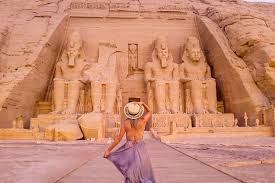
Embarking on a Nile cruise in Luxor and Aswan is one of the most unforgettable experiences in Egypt. Sailing along the world’s longest river, travelers witness the cradle of ancient civilization while enjoying modern comforts on board. Whether you are exploring the majestic temples of Luxor, the serene Nile banks, or the fascinating Nubian villages in Aswan, a Nile cruise offers an immersive experience combining history, culture, and adventure. Choosing the best Nile cruises in Egypt ensures an unforgettable journey with professional guides, luxury accommodations, and curated excursions. For travelers on a budget, the cheapest Nile cruise from Luxor still provides access to all the major sites, with meals, guided tours, and comfortable cabins. Top Tourism Companies in Egypt Why Choose a Nile Cruise from Luxor to Aswan Aswan Nile Adventure Expeditions 2026 Join exciting river expeditions in Aswan. The journey from Luxor to Aswan allows tourists to explore the highlights of Upper Egypt at a relaxed pace. Unlike land tours, a cruise minimizes the stress of constant travel and provides a unique perspective of the Nile’s life and landscapes. Ease of travel: Move comfortably along the Nile without long bus rides. Historical immersion: Visit the Valley of the Kings, Karnak, Luxor Temple, and Philae Temple. Cultural encounters: Meet locals in Nubian villages and enjoy traditional cuisine. Scenic views from Nile cruise in Luxor and Aswan: Watch the Nile sunset from the deck, capturing perfect photography moments. The best Nile cruises in Egypt offer luxurious cabins, on-board entertainment, fine dining, and guided excursions to all major historical and cultural landmarks. Meanwhile, the cheapest Nile cruise from Luxor provides similar access but with more modest accommodations and simpler onboard amenities. momotoursegypt.com/trip/aswan-abu-simbel-full-day-tour/ Day 1: Luxor – The Start of the Nile Adventure The journey begins in Luxor, often referred to as the “world’s greatest open-air museum.” Here, travelers can explore some of Egypt’s most famous ancient sites before boarding the cruise. Key Sites in Luxor included in Nile cruise in Luxor and Aswan Karnak Temple One of the largest religious complexes ever built, Karnak features massive columns, obelisks, and statues. A guided tour reveals stories of pharaohs, rituals, and ancient Egyptian beliefs. Luxor Temple Located on the east bank of the Nile, Luxor Temple is famous for its avenue of sphinxes and statues of Ramses II. Evening visits offer illuminated views perfect for photography. The Valley of the Kings Situated on the west bank, this is the burial site of Egypt’s greatest pharaohs, including Tutankhamun. Each tomb is decorated with intricate hieroglyphs and paintings depicting the journey to the afterlife. Hatshepsut Temple Built for Egypt’s first female pharaoh, this mortuary temple showcases stunning terraces carved into the cliffside, blending architecture with natural landscapes. These landmarks form the core of a Nile cruise in Luxor and Aswan, giving travelers a deep understanding of Egypt’s rich history before setting sail. Day 2: Sailing to Edfu and Kom Ombo After boarding the cruise ship, the journey continues downriver with stops at Edfu and Kom Ombo. Edfu Temple Dedicated to Horus, the falcon-headed god, Edfu Temple is one of Egypt’s best-preserved sites. Travelers learn about ancient rituals, hieroglyphic inscriptions, and the significance of pharaonic beliefs. Kom Ombo Temple Aswan & Abu Simbel Full-Day Tour Kom Ombo is unique as a double temple dedicated to Sobek, the crocodile god, and Horus. Guided tours highlight the dual sanctuaries and offer insight into ancient Egyptian medicine, astronomy, and religious symbolism. Cruising between these sites allows tourists to enjoy the scenery of the Nile, watching daily life unfold along its banks. Farmers, fishermen, and villagers add color to the journey, making the experience authentic and unforgettable. Momo Tours Egypt Hidden West Bank Archaeological Access Day 3: Aswan – Nubian Culture and Ancient Monuments Arriving in Aswan to do the best Nile cruises in Egypt travelers can enjoy the city’s relaxed pace, scenic views, and cultural richness. Highlights in Aswan Philae Temple Dedicated to the goddess Isis, this temple is situated on Agilkia Island. Visitors access the temple via a short boat ride, exploring its halls, shrines, and beautifully preserved reliefs. Aswan High Dam A marvel of modern engineering, the dam controls Nile flooding and generates electricity. It’s a significant landmark connecting ancient and modern Egypt. Nubian Villages Visiting Nubian villages offers a chance to experience colorful houses, traditional crafts, and local cuisine. Tourists can enjoy tea with locals, buy handmade souvenirs, and learn about Nubian heritage. Felucca Ride on the Nile Sailing in traditional feluccas provides a peaceful way to observe Aswan’s surroundings, offering spectacular sunsets and serene river views. Onboard Experience included in Nile cruise in Luxor and Aswan A Nile cruise in Luxor and Aswan isn’t just about sightseeing; the onboard experience is equally important. Accommodation and Amenities Spacious cabins with river views Air conditioning and comfortable bedding Fine dining with local and international cuisine Evening entertainment including music, dance, and cultural shows Excursions and Activities included in the best Nile cruises in Egypt Aswan & Abu Simbel Full-Day Tour Guided tours of temples, tombs, and historical sites Cooking demonstrations of Egyptian dishes Talks on Egyptian history, culture, and traditions Photography and sunset sessions on the deck The combination of luxurious amenities, cultural enrichment, and scenic cruising makes the best Nile cruises in Egypt a truly memorable experience. Even budget-conscious travelers can enjoy the cheapest Nile cruise from Luxor while still participating in guided tours and cultural activities. Tips for Planning a Nile Cruise Best time to visit: October to April for mild weather What to wear: Light, breathable clothing; modest dress for temple visits; comfortable walking shoes Booking advice: Reserve early, especially during peak season Travel documents: Passport, visa, and cruise confirmation Photography tips: Binoculars and extra memory cards are recommended Why a Nile Cruise is Unforgettable A Nile cruise in Luxor and Aswan offers a perfect blend of history, culture, comfort, and adventure. From the ancient tombs of the Valley of the Kings and Hatshepsut Temple to the serene beauty of the Nile and Nubian villages,
7 Best Experiences Bedouin Life in Egypt: Customs, Traditions & Desert Culture
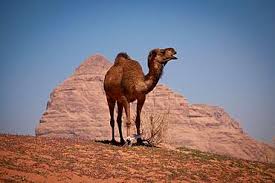
Introduction — Why Bedouin Life in Egypt Attracts Travelers from Around the World? Bedouin Life in Egypt: Traditions, Culture, and Authentic Experiences Bedouin Life in Egypt has long fascinated travelers, scholars, photographers, and cultural explorers alike. With a history spanning centuries, the Bedouins are not only desert dwellers—they are custodians of unique traditions, spiritual connections to nature, and vibrant cultural expressions. From the vast sands of Sinai to the rugged mountains, their lifestyle represents one of the most authentic cultural groups in the Middle East. For visitors seeking an Authentic Bedouin Experience, the Bedouin Culture in Sinai offers a rare window into a society shaped by resilience, simplicity, generosity, and freedom. Unlike conventional tourist trips, immersing yourself in Bedouin Life in Egypt is far more than riding camels across the desert or enjoying a single dinner under the stars. This experience introduces travelers to a community that has preserved its customs, rituals, arts, culinary traditions, and social structure for thousands of years. Those who spend time in Sinai often describe their encounters with Bedouins as “life-changing,” “peaceful,” and “transformative.” Daily Life and Traditions in Bedouin Culture in Sinai Understanding Bedouin Life in Egypt requires insight into their daily routines and social norms. Bedouins traditionally live in small family groups or clans, navigating the desert with remarkable skill and resourcefulness. Livelihoods include herding goats, sheep, and camels, collecting medicinal herbs, crafting textiles, and now increasingly guiding tourists in authentic experiences. Food and cooking are central to their culture. Traditional dishes are simple yet flavorful, often prepared with local herbs, goat milk, bread baked in clay ovens, and slow-cooked stews. Traditional Bedouin Activities in Egypt for visitors include learning how to prepare these meals, tasting herbal teas, and even participating in communal cooking. This hands-on approach gives travelers an intimate understanding of Bedouin ingenuity and hospitality. Clothing and crafts are also crucial aspects of Bedouin Culture in Sinai. Women create exquisite embroidery and woven textiles, while men maintain traditional attire adapted to desert life. Visitors joining Traditional Bedouin Activities in Egypt can witness or even participate in weaving, pottery, or henna painting, gaining a personal connection to the culture. Click here to see more: egypt-travel-packages-best-time-to-visit Spiritual Connection and Desert Wisdom The Bedouins’ bond with the desert is profound. Bedouin Life in Egypt is guided by natural rhythms—sunrise and sunset, seasonal changes, and animal migration. Spiritual beliefs, storytelling, and songs are used to transmit wisdom, honor ancestors, and teach younger generations survival skills. For tourists, learning from Bedouin elders during desert walks or evening storytelling sessions is a rare chance to experience centuries-old knowledge firsthand. Traditional Bedouin Activities in Egypt for Visitors Visitors seeking an Authentic Bedouin Experience can participate in a variety of Traditional Bedouin Activities in Egypt, such as: Camel treks across Sinai dunes Desert camping under star-filled skies Learning Bedouin bread baking and herbal medicine preparation Listening to traditional music and poetry Visiting Bedouin villages to observe daily life, crafts, and trade Participating in guided desert hikes while learning navigation techniques These activities provide not only adventure but also cultural understanding, connecting travelers deeply to the people and land. Bedouin Culture in Sinai is preserved not only through daily life but also by sharing these experiences with respectful, curious visitors. Why Choose an Authentic Bedouin Experience Engaging in Traditional Bedouin Activities in Egypt transforms a simple trip into a profound journey. Travelers leave with a deep appreciation of Bedouin Life in Egypt, gaining knowledge about survival, sustainability, and the importance of community. Unlike conventional tourism, an Authentic Bedouin Experience nurtures empathy, curiosity, and respect for one of the world’s most resilient cultures. By participating in Bedouin Culture in Sinai, visitors also support local families, helping to sustain their way of life while encouraging cultural preservation. From desert wisdom to culinary skills, music, art, and storytelling, every moment spent with Bedouins enriches the traveler’s understanding of human connection and adaptation. 1. Origins of Bedouin Life in Egypt The roots of Bedouin Life in Egypt go back more than 3,000 years, with tribes migrating across the Arabian Peninsula, the Sinai desert, and the North African dunes. Today, Bedouin communities mainly live in: South Sinai (Dahab, Nuweiba, St. Catherine, Sharm) North Sinai The Eastern Desert near the The Western Desert and Siwa Oasis These communities share values like honor, loyalty, hospitality, generosity, and respect for nature. In fact, Bedouin Culture in Sinai is one of the best-preserved due to the region’s mountains, protected areas, and strong tribal identity. H2: 2. Daily Rhythm of Bedouin Life in Egypt Daily life for the Bedouins is built around simplicity, nature, and family. Here is what their normal day typically includes: H3: Family Structure and Roles The tribe (ashira) is the core of social life. Elders solve disputes and guide the community. Women manage the home, cooking, children, and crafts. Men handle herding, trading, and guiding desert travelers. H3: Desert Survival Bedouins are masters of navigating harsh mountain and desert landscapes. Their knowledge includes: Finding water sources Reading the stars Understanding camel behavior Identifying edible plants Predicting weather conditions This deep connection with nature is a major reason tourists seek an Authentic Bedouin Experience. H2: 3. Bedouin Culture in Sinai — Traditions That Define Their Identity H3: Bedouin Hospitality (Al-Karam) Guests are treated like family. Even strangers are offered tea, shelter, and food without question. It is considered dishonorable to refuse a guest. H3: Clothing and Self-Expression Men wear long robes (galabeya) and keffiyeh headscarves for protection. Women wear embroidered dresses, jewelry, and face veils depending on their tribe. H3: Art, Music & Storytelling Bedouins preserve history through: Poetry Songs played on the rababa Oral storytelling Traditional dances H3: Food & Cooking Traditions Travelers love joining Traditional Bedouin Activities in Egypt that include cooking: Zarb (underground barbecue) Fresh Bedouin bread Rice with herbs for Authentic Bedouin Experience Desert tea with sage Goat or camel dishes for Authentic Bedouin Experience The food is simple, natural, and flavored with desert plants in Bedouin Life in Egypt. H2: 4.