
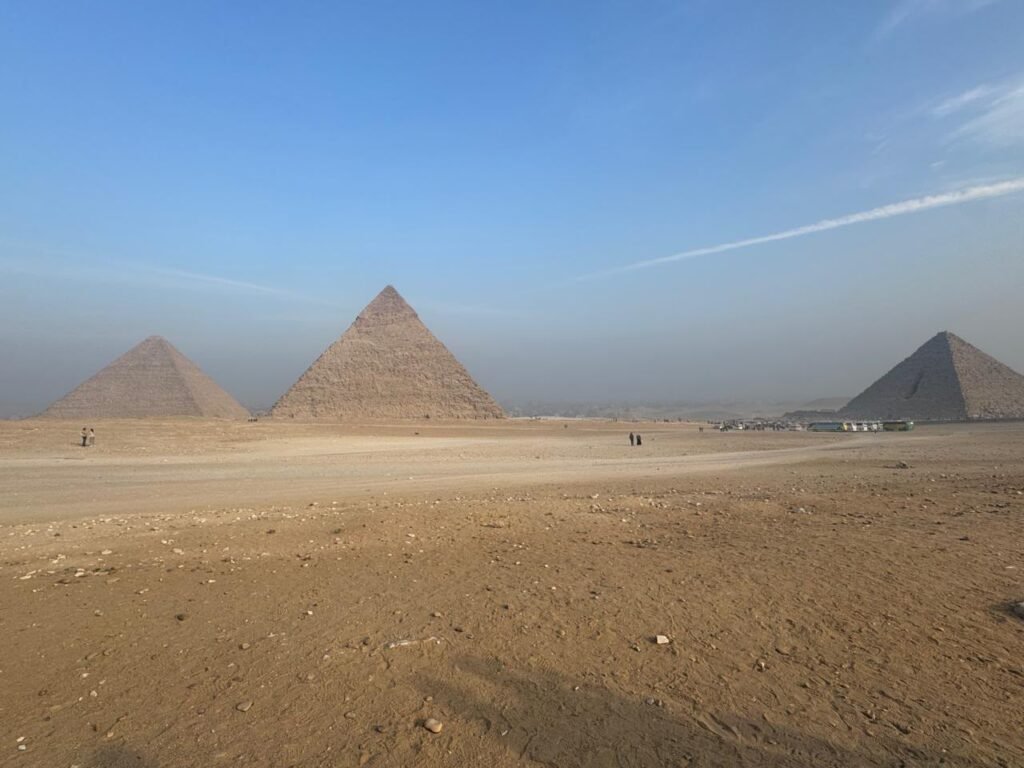
The Veiled Plateau – A Spiritual Awakening Under the Stars The Great Pyramid of Giza stands not merely as a monument of stone, but as a silent witness to the dawn of civilization. For the thousands who visit by day, it is a marvel of architecture, a site for photographs, and a bustling hub of human activity. However, there exists an elite dimension to Giza that remains hidden from the daylight crowd. When you seek an Exclusive Pyramids Night Access, you enter a dimension that unveils itself only when the sun retreats and the desert wind begins to whisper ancient secrets. This is the realm of the nocturnal Giza, a place where time, silence, and spirit converge. @momotours1 ♬ I’ve Seen It – Olivia Dean At Momo Tours Egypt, we believe that the true essence of the Pyramids cannot be fully grasped under the relentless glare of the sun. It requires the soft, mysterious cloak of night. Imagine standing at the base of the Great Pyramid, the structure towering above you, blocking out a segment of the star-filled sky. There are no tour buses, no souvenir vendors, and no distracting chatter. There is only you, your group, and the immense, vibrating presence of history. This is the ultimate dream for the spiritual seeker, the meditation enthusiast, and the luxury traveler who demands a VIP Archaeological Experience beyond the standard tourist offerings. our Tripadvisor: https://www.tripadvisor.com/Attraction_Review-g294202-d26365960-Reviews-Momo_Tours_Egypt-Giza_Giza_Governorate.html The experience of meditating at the Pyramids by night is profound. Many who practice mindfulness believe that the Giza Plateau serves as a powerful energetic hub—a place where the Earth’s natural frequency is amplified by the precision of the ancient stone structures. During our Giza Plateau Private Tour sessions, you have the unique opportunity to tap into this energy. Whether you are a group of yoga practitioners looking for a spiritual connection, or simply individuals seeking a moment of absolute stillness, the plateau offers a sanctuary that is impossible to replicate anywhere else on Earth. The silence of the desert at midnight is not empty; it is heavy with the wisdom of the ages. Momo Tours Egypt Private Services act as your bridge to this experience. We understand that such a visit requires meticulous planning and official authorization. A night visit to the Giza Plateau is not something one can simply walk into; it is a privilege that must be earned. We specialize in securing the necessary permits from the Ministry of Tourism and Antiquities. We navigate the complex bureaucratic landscape of Egyptian heritage preservation so that you don’t have to. When you choose us for your Ancient Energy Night Pilgrimage, you are not just buying a ticket; you are securing an exclusive gateway. For a group of 20, the investment of $10,000 for this private access is an investment in an unparalleled lifetime memory. Our role at Momo Tours Egypt goes beyond logistics. We curate the atmosphere. From the moment you step out of your hotel, our team handles every aspect of your comfort. We know that spiritual and intellectual exploration requires a mind free from the stresses of travel logistics. We provide luxury transport, expert local guidance, and a seamless transition from the busy streets of Cairo to the quiet, sacred ground of the plateau, often incorporating the Sound and Light Show Egypt as a curated part of your evening. In this first stage of your journey, we emphasize the “Why.” Why do you need to be there at night? Because the Pyramids are fundamentally celestial tools, aligned with the stars. At night, you can look up and see the same constellations that the ancients saw when they laid the first stone. You can feel the temperature drop, which causes the limestone to contract and hum. You can experience the stillness that the Pharaohs themselves must have felt during their private rituals. Momo Tours Egypt is dedicated to bringing you this reality. We don’t just show you the Pyramids; we facilitate a connection between you and the mystery of Egypt through Spiritual Meditation at the Pyramids. As we move into the logistical details, you will see how our expertise ensures that this, the most difficult of all tours to organize, becomes the highlight of your global travels. Part 2: Navigating the Sacred Corridor – Logistics, Security, and Momo Tours Egypt Organizing an after-hours Giza Plateau Private Tour is a task that requires immense precision, deep-rooted connections, and a profound respect for Egyptian heritage. Many travelers wonder why they cannot simply walk up to the gates at midnight. The reason is rooted in the immense responsibility of the Egyptian Ministry of Tourism and Antiquities to safeguard a site that has stood for over four and a half millennia. When you entrust your journey to Momo Tours Egypt Private Services, you are leveraging years of operational expertise in navigating these complex, highly regulated waters. The process begins long before your feet touch the desert sand. Securing a night permit for a group of 20 requires a formal application process that necessitates a clear understanding of the site’s security protocols. The $10,000 fee for such an endeavor is a comprehensive investment in the preservation and specialized operational support of the Giza Plateau. This budget facilitates the mobilization of site guards, administrative coordination, and the logistical overhead required to ensure that your private group has the plateau to themselves, undisturbed by external influences, allowing for a deep Ancient Energy Night Pilgrimage. At Momo Tours Egypt, we act as your primary liaison. Our team manages the delicate balance between your desire for a transformative, spiritual experience and the state’s duty to protect the monuments. We handle all documentation, coordinate with local authorities, and ensure that every security requirement is met with total transparency. We believe in “Stress-Free Exclusivity.” From the moment your group gathers at the hotel lobby, our specialized, luxury-class transport is ready. We do not use standard buses; we utilize private, climate-controlled vehicles that provide a tranquil environment, ensuring that your mental state remains focused on
best Egypt travel itinerary 2026 save ur money with us
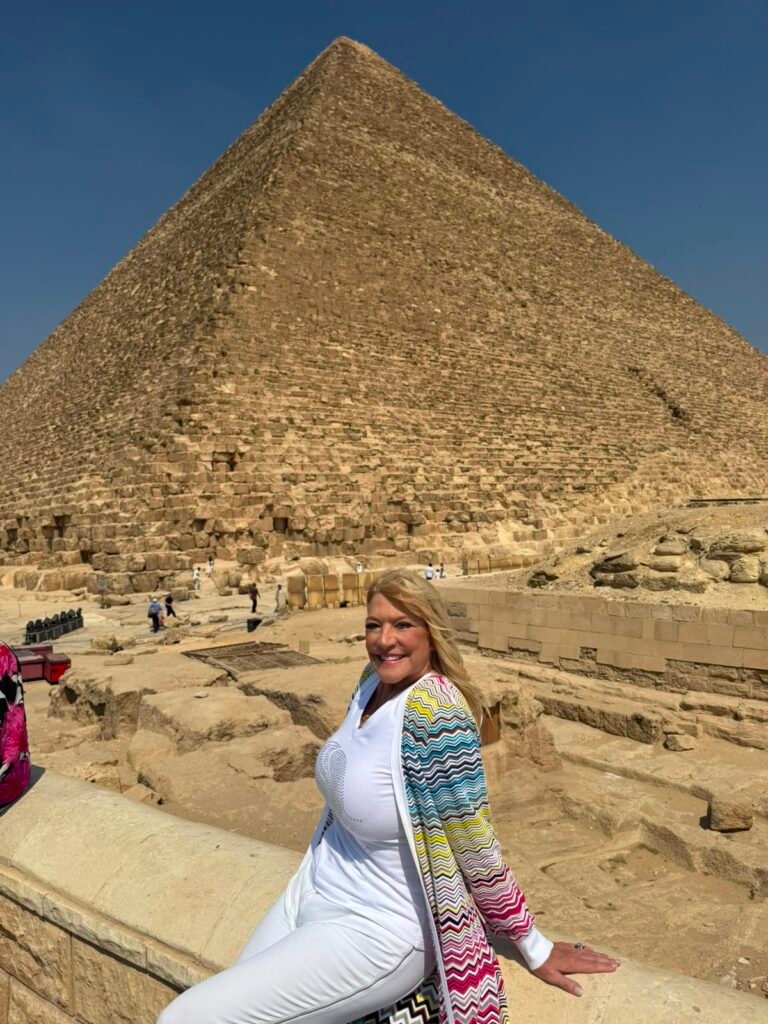
The Ultimate Guide to Planning Your Dream Egypt Vacation in 2026/2027 (On a Budget) Planning a travel adventure to Egypt is one of the most thrilling experiences a wanderlust traveler can undertake. From the legendary Pyramids of Giza rising above the desert sands to the tranquil waters of the Nile River, Egypt offers an unparalleled historic and cultural journey. As tourism soars to new heights, having a well-crafted best Egypt travel itinerary 2026 is essential to maximizing your time, enjoying unforgettable moments, and keeping your wallet happy. Whether you are dreaming of sailing on a traditional felucca, exploring the hidden tombs of Luxor, or tasting authentic Egyptian street food, this comprehensive guide covers everything you need to know for the upcoming 2026/2027 travel season. Read on to discover insider budget travel tips for Egypt, practical arrival advice, and how to build memories that last a lifetime without overspending. Why 2026/2027 is the Best Time for an Egyptian Adventure Why 2026/2027 is the Best Time for an Egyptian Adventure Egypt is undergoing a remarkable cultural and infrastructural transformation, making the 2026/2027 season the absolute pinnacle time to visit. From the highly anticipated openings of world-class cultural institutions to modernized transport networks, traveling through the land of the Pharaohs has never been smoother, safer, or more rewarding. Whether you are dreaming of gazing upon the Great Pyramids of Giza, sailing down the serene Nile River, or diving into the crystal-clear waters of the Red Sea, planning your journey around the best Egypt travel itinerary 2026 ensures you experience the nation’s iconic ancient history alongside modern convenience and comfort. 1. World-Class Cultural Openings & Historical Heritage The global spotlight is firmly fixed on Egypt as major archaeological projects and landmark museums reach completion. Visitors during the 2026/2027 season benefit from an unprecedented level of access to newly restored tombs, state-of-the-art museum displays, and enhanced preservation facilities across Cairo, Luxor, and Aswan. Exploring these legendary monuments with dedicated local guides elevates a standard sightseeing tour into a deeply enriching journey through human history. To make the most of these new attractions without worrying about ticket queues or daily transport, booking structured Egypt tour packages 2026/2027 grants you priority access, expert Egyptologist insights, and seamless transfers between historical hubs. 2. Upgraded Infrastructure & Seamless Logistics Navigating Egypt’s vast landscape has historically required careful planning, but recent infrastructure upgrades have streamlined travel across the country: High-Speed Transit & Modern Roads: Expanded highway networks and improved railway connections significantly reduce travel times between Cairo, Alexandria, and the coastal resorts. Airport Expansion: Upgraded facilities at Cairo International Airport (CAI) and regional airports make domestic transfers to Aswan, Luxor, and Hurghada faster and far more efficient. Enhanced Tourist Security: Modernized safety protocols and dedicated tourism police across all major archaeological sites provide ultimate peace of mind for families, couples, and solo travelers alike. 3. How to Travel Smart: Budget Travel Tips for Egypt While Egypt offers world-class luxury, it remains one of the most cost-effective and high-value destinations globally. Applying practical budget travel tips for Egypt allows you to enjoy premium experiences while maintaining total control over your wallet: Opt for All-Inclusive Packages: Pre-booked packages bundle accommodation, domestic flights, guided excursions, and entry fees, shielding you from unexpected local price fluctuations. Travel During Shoulder Months: Visiting in shoulder seasons (like October, November, March, or April) offers mild, comfortable weather alongside lower rates on flights and hotels. Dine Like a Local: Enjoying authentic Egyptian street food—such as Koshary, fresh Ta’ameya, and grilled shawarma—is not only culinary heaven but also extremely budget-friendly. Use Local Currency for Small Purchases: Carry Egyptian Pounds (EGP) for tipping, small souvenirs, and local markets to get the fairest exchange rate. 4. Unbeatable Value with All-Inclusive Packages Selecting professionally curated Egypt tour packages 2026/2027 eliminates the stress of independent travel planning. Having private ground transportation, pre-arranged Nile cruise cabins, and licensed local guides pre-booked guarantees that your time in Egypt is spent soaking in the sights rather than negotiating logistics. By combining the best Egypt travel itinerary 2026 with smart budgeting habits, your 2026/2027 Egyptian vacation will deliver an unforgettable mix of ancient wonder, authentic culture, and exceptional value. Start planning early to secure preferred dates and lock in the best rate for your dream adventure! Arrival Essentials: How to Buy a Tourist SIM Card at Cairo International Airport Starting your journey connected is one of the easiest ways to ensure a stress-free trip. Having reliable cellular data enables you to navigate cities, use ride-sharing services, stay in touch with loved ones, and access travel apps on the go. When landing at Cairo International Airport (CAI), you will find official kiosks for major telecommunication providers located right in the arrival halls immediately after passing customs: Where to buy: Vodafone, Orange, Etisalat (e&), and WE all have authorized booths inside the airport terminals. Requirements: You will need your physical passport to register a tourist SIM card. Cost & Data: Tourist data packages are very affordable, typically ranging between $10 to $25 USD depending on data limits. Pro Tip: Avoid buying SIM cards outside official stores in the city to prevent registration delays. Getting set up at the airport takes only 10 to 15 minutes and guarantees instant connectivity. For a step-by-step breakdown of setup, plan pricing, and data recommendations, read our detailed guide on [how to buy a tourist sim card in Egypt at Cairo International Airport 2026]. Crafting the Best Egypt Travel Itinerary 2026/2027 To truly appreciate the diversity of Egypt, your travel plan should balance historic exploration with relaxing leisure. Here is a battle-tested 10-day structure designed to give you the ultimate Egyptian experience: [Days 1-3: Cairo & Giza] ➔ [Days 4-7: Nile Cruise (Aswan to Luxor)] ➔ [Days 8-10: Red Sea / Hurghada] Days 1–3: Cairo and the Great Pyramids of Giza Begin your journey in the vibrant capital. Spend your first full day marveling at the Pyramids of Giza, the Sphinx, and the ancient step pyramid of Saqqara. On day two, dive into
10 unvergessliche Erlebnisse in Ägypten, die Sie vor Ihrem Tod erleben sollten
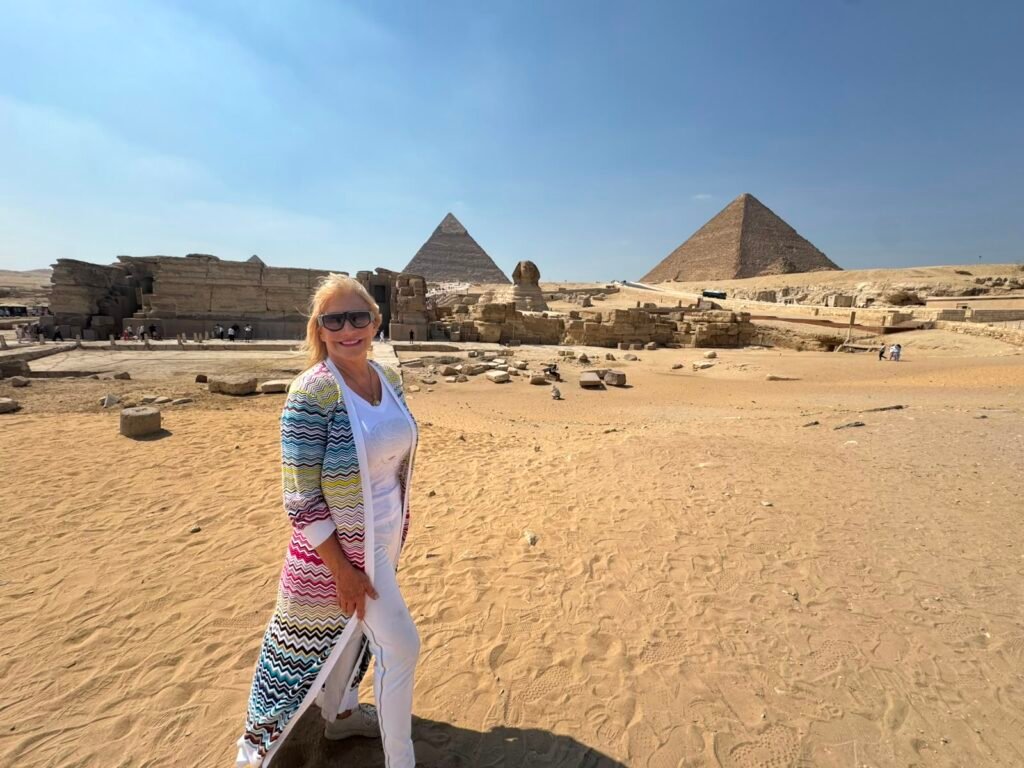
10 unvergessliche Erlebnisse in Ägypten, die Sie vor Ihrem Tod erleben sollten Ägypten ist eines der wenigen Reiseziele der Welt, das jede Erwartung übertrifft. Zwischen den Pyramiden von Gizeh, dem endlosen Blau des Roten Meeres und den jahrtausendealten Tempeln am Nil liegt ein Land, das Geschichte, Abenteuer und Kultur auf einzigartige Weise vereint. Wer eine Ägypten Rundreise mit Höhepunkten plant, steht schnell vor der Frage: Was darf auf keinen Fall fehlen? In diesem Artikel stellen wir Ihnen zehn Erlebnisse vor, die jede Reise nach Ägypten unvergesslich machen – von den weltberühmten Pyramiden bis zu versteckten Momenten abseits der Touristenpfade. privat-reiseleiter-in-agypten/ Egal, ob Sie zum ersten Mal nach Nordafrika reisen oder bereits mehrere Länder der Region kennen – Ägypten hat eine besondere Wirkung. Es ist eines der wenigen Länder, in denen sich die Geschichte nicht nur in Museen befindet, sondern direkt vor der Haustür beginnt. Schon der erste Blick auf die Pyramiden vom Flugzeugfenster aus löst bei den meisten Reisenden Gänsehaut aus. Diese Mischung aus Ehrfurcht, Abenteuerlust und kultureller Neugier ist es, die Ägypten seit über einem Jahrhundert zu einem der beliebtesten Reiseziele der Welt macht. Die folgenden zehn Erlebnisse wurden bewusst so ausgewählt, dass sie unterschiedliche Facetten des Landes zeigen: antike Baukunst, moderne Museumsarchitektur, Naturschönheiten unter Wasser, pulsierendes Stadtleben und ruhige, kontemplative Momente auf dem Wasser. Zusammen ergeben sie eine ideale Grundlage für jede individuelle Reiseplanung, egal ob Sie zwei Wochen Zeit haben oder nur einen kurzen Zwischenstopp auf dem Weg in ein anderes Land einlegen. Der Sonnenaufgang an den Pyramiden von Gizeh Kein anderes Bauwerk der Welt symbolisiert menschlichen Ehrgeiz so sehr wie die Pyramiden von Gizeh. Doch die meisten Besucher kennen sie nur überfüllt und in praller Mittagshitze. Wer wirklich verstehen will, warum Millionen Reisende jedes Jahr hierherkommen, sollte den Sonnenaufgang erleben. In der Morgendämmerung liegt eine besondere Stille über dem Plateau, das Licht färbt den Sandstein in warmen Gold- und Orangetönen, und die gewaltigen Steinblöcke wirken beinahe lebendig. Viele erfahrene Reiseveranstalter bieten mittlerweile private Frühtouren an, bei denen Gäste noch vor den großen Reisebussen am Plateau ankommen. Wer eine solche Nilkreuzfahrt mit Ägypten Highlights bucht, kombiniert diesen magischen Moment oft direkt mit einem Besuch der Sphinx, die nur wenige Schritte entfernt wacht. Fotografen schwärmen besonders von diesem Zeitfenster, da das weiche Morgenlicht kaum Schatten wirft und die Konturen der Pyramiden klar hervortreten lässt. Praktisch gesehen lohnt es sich, bereits am Vorabend einen zuverlässigen Fahrer oder eine geführte Tour zu organisieren, da das Plateau selbst erst zur regulären Öffnungszeit zugänglich ist, private Fotografie-Termine außerhalb der Öffnungszeiten aber zunehmend angeboten werden. Wer zusätzlich Zeit einplant, kann im Anschluss die kleineren Nebenpyramiden der Königinnen besichtigen, die von den meisten Besuchergruppen übersehen werden, obwohl sie architektonisch mindestens genauso interessant sind. Auch ein kurzer Spaziergang zum Panoramapunkt am Rand der Wüste lohnt sich, da man von dort aus alle drei großen Pyramiden gleichzeitig im Bild einfangen kann. Eine Nilkreuzfahrt zwischen Luxor und Assuan Der Nil ist die Lebensader Ägyptens, und eine Fahrt entlang seines Ufers gehört zu den entspannendsten Arten, das Land zu entdecken. Auf einer mehrtägigen Kreuzfahrt zwischen Luxor und Assuan gleitet man an Palmenhainen, Dörfern und antiken Tempeln vorbei, während an Deck ein kühles Getränk serviert wird. Die Route führt vorbei am Tal der Könige, dem Karnak-Tempel und dem Edfu-Tempel – jeder Stopp ein eigenes Kapitel pharaonischer Geschichte. Für viele amerikanische und europäische Reisende ist genau diese Kombination aus Komfort und Kultur der Grund, warum sie sich für eine geführte Nilkreuzfahrt mit Ägypten Highlights entscheiden. Man muss sich um Logistik, Transfers oder Ticketorganisation nicht kümmern und kann sich stattdessen voll auf die Landschaft und die Geschichten der Guides konzentrieren. Abends, wenn die Sonne hinter den Klippen des Niltals versinkt, verwandelt sich das Deck in einen ruhigen Ort zum Nachdenken über Jahrtausende Geschichte. Die meisten Kreuzfahrtschiffe verkehren zwischen drei und sieben Nächten und bieten Vollpension, klimatisierte Kabinen sowie Ausflüge zu den wichtigsten Tempeln entlang der Route. Wer zusätzlich Ruhe sucht, sollte auf kleinere Schiffe mit maximal vierzig Kabinen achten, da diese oft persönlicher und weniger hektisch wirken als die großen Flotten mit mehreren hundert Passagieren. Die beste Reisezeit für eine Nilkreuzfahrt liegt zwischen Oktober und April, wenn die Temperaturen tagsüber angenehm und abends an Deck angenehm mild sind. In den Sommermonaten hingegen steigen die Temperaturen in Oberägypten häufig auf über vierzig Grad, was Landausflüge deutlich anstrengender macht. Der Karnak-Tempel bei Sonnenuntergang Karnak ist kein einzelner Tempel, sondern eine ganze Tempelstadt – gebaut, erweitert und verändert über mehr als zweitausend Jahre. Der berühmte Säulensaal mit seinen 134 gewaltigen Sandsteinsäulen gehört zu den beeindruckendsten Räumen, die die Antike hervorgebracht hat. Wer Karnak am späten Nachmittag besucht, entkommt nicht nur der Hitze, sondern erlebt auch, wie das Licht durch die Säulenreihen fällt und lange Schatten auf den Boden zeichnet. Besonders lohnenswert ist die abendliche Ton- und Lichtshow, bei der die Geschichte des Tempels über Lautsprecher erzählt wird, während die Ruinen in wechselnden Farben angestrahlt werden. Diese Inszenierung ist zwar touristisch, vermittelt aber einen packenden Eindruck davon, wie zentral dieser Ort einst für das religiöse Leben Ägyptens war. Neben dem großen Säulensaal lohnt sich auch ein Abstecher zum heiligen See innerhalb der Anlage, an dem einst Priester rituelle Reinigungen durchführten. Der etwa drei Kilometer lange Sphinxweg, der Karnak einst direkt mit dem Luxor-Tempel verband, wird derzeit archäologisch weiter freigelegt und lässt erahnen, wie monumental die gesamte Tempelstadt einst gewirkt haben muss. Wer genug Zeit einplant, kann beide Tempel an einem Tag besuchen und so die enge historische Verbindung zwischen ihnen direkt nachvollziehen. Abu Simbel – die Tempel Ramses’ II. Wer bereit ist, früh aufzustehen, wird mit einem der spektakulärsten Bauwerke Ägyptens belohnt. Die beiden Felsentempel von Abu Simbel liegen tief im Süden, nahe der Grenze zum Sudan, und wurden in den 1960er-Jahren in einer beispiellosen Rettungsaktion vor den Fluten des Assuan-Staudamms bewahrt. Die vier kolossalen Statuen Ramses’ II. an der Fassade gehören zu den eindrucksvollsten Beispielen altägyptischer Baukunst. Da die meisten Reisegruppen erst später am Vormittag eintreffen, lohnt sich eine frühe Abfahrt, um die riesigen Statuen ganz für sich zu haben. Zweimal im Jahr,
The Ultimate 2026 Guide: What You Need to Know Before Traveling to Egypt
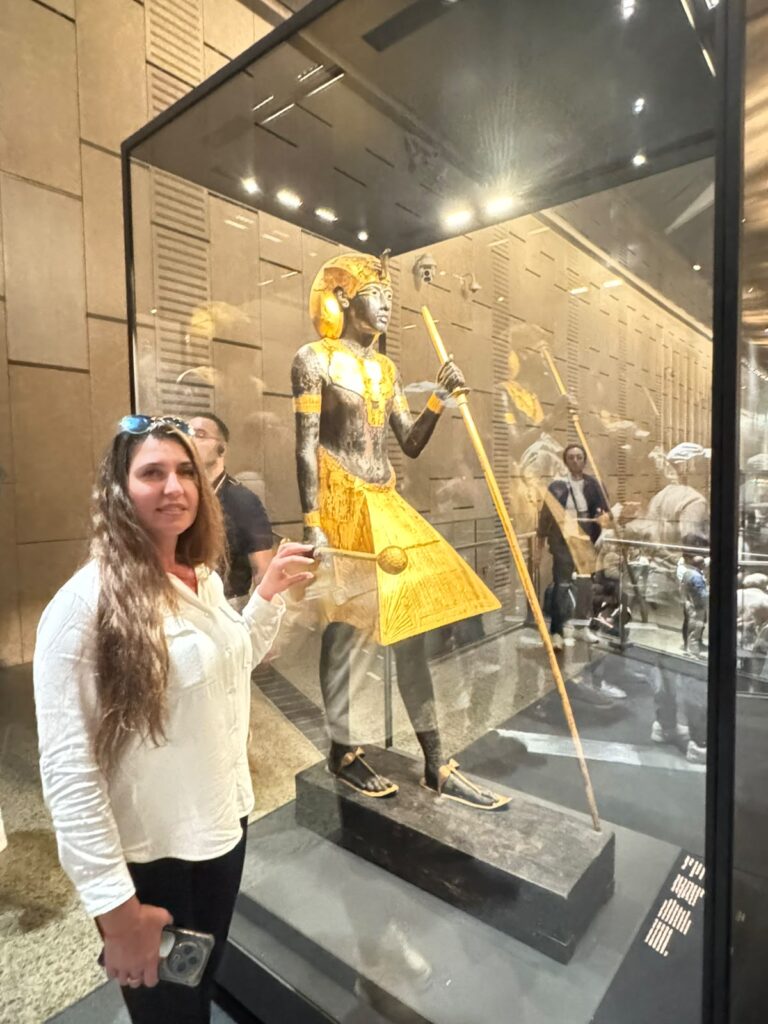
The Ultimate 2026 Guide: What You Need to Know Before Traveling to Egypt Egypt is an unparalleled destination—a land that is not merely a country, but the Mother of the World and the cradle of civilization that shaped human history. As we look toward 2026, Egypt remains the premier destination for Americans seeking an unforgettable adventure that blends the mysteries of the past with the vibrancy of the present. Is Egypt Safe for American Tourists in 2026? Egypt Travel Safety 2026 This is the primary question on the mind of every American traveler planning a trip to Cairo, Luxor, or the Red Sea. The direct answer, based on current realities and infrastructure, is: Yes, Egypt is a safe destination for American tourists in 2026. Check here Giza Pyramids – Grand Egyptian Museum – Sphinx – Memphis: Experience the absolute must-sees with professional, in-depth historical context. Family-friendly activities in Luxor The Egyptian government has invested heavily in the Egypt Travel Safety 2026 framework. Security has been made a top priority across all tourist hubs, airports, hotels, and archaeological sites. You will notice a professional and organized security presence; this is not a cause for alarm, but rather a peace of mind feature that ensures your journey remains seamless and protected. Thousands of Americans visit Egypt annually, consistently reporting that their experience exceeds expectations, characterized by respect and hospitality. As a smart travel practice, we always recommend staying updated with official embassy travel advisories and coordinating your movements with reputable, licensed tour operators, which ensures you have full logistical and organizational support throughout your stay. How Egyptians Welcome Americans Egyptian Hospitality and Culture It is impossible to describe the Egyptian people in a few words, but generosity is the core DNA of their personality. Egyptian Hospitality and Culture are not just abstract concepts; they are a lifestyle that American tourists feel from the very first moment they step off the plane. Innate Hospitality: Egyptians are naturally hospitable. You will hear Welcome to Egypt at every turn. Do not be surprised if a shop owner or a local guide invites you for a glass of tea or coffee. This is a sincere invitation and a reflection of a culture that treats guests as royalty. Positive Cultural Curiosity: Egyptians have a genuine, friendly curiosity about American culture. You will find people eager to ask about your life in the States, share stories about their favorite local spots, and learn about your perspective on their country. This cultural exchange is what makes a trip to Egypt so unique; you are not just looking at ancient stones—you are connecting with a people who love sharing their heritage. Navigating Tourism Etiquette Tourism Etiquette in Egypt Understanding Tourism Etiquette in Egypt is the key to maximizing the quality of your trip and building meaningful connections with the people who make your vacation special. Mutual Respect: Egyptians highly value tourists who reciprocate their warmth. A simple smile and common courtesies like Thank you or Good morning go a long way. What to Do: Be open to the experience. Ask questions about local traditions and immerse yourself in the culinary scene. Organizing your trip through a professional tour operator will save you time and guarantee a high standard of service. What to Avoid: Avoid rushing your judgment. Life in Egypt has a different pace than in New York or Los Angeles. Approach situations with patience, steer clear of sensitive political debates, and enjoy your role as a welcomed guest in the land of the Pharaohs. The Grandeur of History: Why See It Now? Ancient Egyptian Civilization Wonders No one life is truly complete without standing before the majesty of the Ancient Egyptian Civilization Wonders. Visiting the Pyramids, the temples of Luxor, or cruising the Nile is not just a vacation—it is an act of historical inspiration. if you want to know Egypt before you arrive check this:Egyptian culture by momo tour narrator The Egyptian civilization, which endured for thousands of years, left a legacy that challenges one to rethink human potential. Standing before the Great Sphinx or within the halls of Karnak Temple provides a profound sense of awe and connection to humanity. The memories you create here in 2026 will last a lifetime; it is truly a journey through time in the heart of the modern world. Engaging with Local Life: How Egyptians View American Guests The bond between the Egyptian people and Americans is rooted in mutual respect and a shared fascination. Egyptians are widely known for being one of the most outgoing and warm-hearted populations globally. When you arrive as an American, you are often seen as an honored guest. Why Egyptians Love Welcoming Americans A Shared Future: Egyptians are deeply aware of the global influence of the United States. Many locals, particularly the younger generation, are keen to practice their English, discuss American trends, or share their own dreams and aspirations. The Guest is King Philosophy: In Egyptian culture, a guest is treated with a level of hospitality that can feel overwhelming to Western visitors. Whether you are in a bustling bazaar in Cairo or a quiet village in Upper Egypt, you will likely find that people go out of their way to ensure you feel comfortable, safe, and happy. Cultural Pride: Egyptians are incredibly proud of their heritage. When they see a visitor from the U.S. showing genuine interest in their history, it fosters an immediate, warm connection. They want you to leave Egypt not just with photos, but with a deep appreciation for their traditions. Practical Etiquette: Do’s and Don’ts for the Modern Traveler To fully enjoy your trip and ensure smooth interactions, understanding the social landscape is essential. Here is a guide on how to navigate local interactions effectively: Do’s: Dress Modestly: While tourist areas are accustomed to various styles, dressing respectfully—especially in religious or rural areas—is highly appreciated. It shows you respect the local norms. Learn a Few Words: Using simple phrases like Thank you, You are welcome, and Lets go
7 Best Experiences Bedouin Life in Egypt: Customs, Traditions & Desert Culture
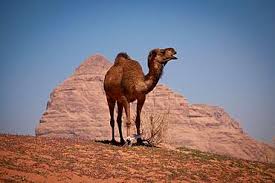
Introduction — Why Bedouin Life in Egypt Attracts Travelers from Around the World? Bedouin Life in Egypt: Traditions, Culture, and Authentic Experiences Bedouin Life in Egypt has long fascinated travelers, scholars, photographers, and cultural explorers alike. With a history spanning centuries, the Bedouins are not only desert dwellers—they are custodians of unique traditions, spiritual connections to nature, and vibrant cultural expressions. From the vast sands of Sinai to the rugged mountains, their lifestyle represents one of the most authentic cultural groups in the Middle East. For visitors seeking an Authentic Bedouin Experience, the Bedouin Culture in Sinai offers a rare window into a society shaped by resilience, simplicity, generosity, and freedom. Unlike conventional tourist trips, immersing yourself in Bedouin Life in Egypt is far more than riding camels across the desert or enjoying a single dinner under the stars. This experience introduces travelers to a community that has preserved its customs, rituals, arts, culinary traditions, and social structure for thousands of years. Those who spend time in Sinai often describe their encounters with Bedouins as “life-changing,” “peaceful,” and “transformative.” Daily Life and Traditions in Bedouin Culture in Sinai Understanding Bedouin Life in Egypt requires insight into their daily routines and social norms. Bedouins traditionally live in small family groups or clans, navigating the desert with remarkable skill and resourcefulness. Livelihoods include herding goats, sheep, and camels, collecting medicinal herbs, crafting textiles, and now increasingly guiding tourists in authentic experiences. Food and cooking are central to their culture. Traditional dishes are simple yet flavorful, often prepared with local herbs, goat milk, bread baked in clay ovens, and slow-cooked stews. Traditional Bedouin Activities in Egypt for visitors include learning how to prepare these meals, tasting herbal teas, and even participating in communal cooking. This hands-on approach gives travelers an intimate understanding of Bedouin ingenuity and hospitality. Clothing and crafts are also crucial aspects of Bedouin Culture in Sinai. Women create exquisite embroidery and woven textiles, while men maintain traditional attire adapted to desert life. Visitors joining Traditional Bedouin Activities in Egypt can witness or even participate in weaving, pottery, or henna painting, gaining a personal connection to the culture. Click here to see more: egypt-travel-packages-best-time-to-visit Spiritual Connection and Desert Wisdom The Bedouins’ bond with the desert is profound. Bedouin Life in Egypt is guided by natural rhythms—sunrise and sunset, seasonal changes, and animal migration. Spiritual beliefs, storytelling, and songs are used to transmit wisdom, honor ancestors, and teach younger generations survival skills. For tourists, learning from Bedouin elders during desert walks or evening storytelling sessions is a rare chance to experience centuries-old knowledge firsthand. Traditional Bedouin Activities in Egypt for Visitors Visitors seeking an Authentic Bedouin Experience can participate in a variety of Traditional Bedouin Activities in Egypt, such as: Camel treks across Sinai dunes Desert camping under star-filled skies Learning Bedouin bread baking and herbal medicine preparation Listening to traditional music and poetry Visiting Bedouin villages to observe daily life, crafts, and trade Participating in guided desert hikes while learning navigation techniques These activities provide not only adventure but also cultural understanding, connecting travelers deeply to the people and land. Bedouin Culture in Sinai is preserved not only through daily life but also by sharing these experiences with respectful, curious visitors. Why Choose an Authentic Bedouin Experience Engaging in Traditional Bedouin Activities in Egypt transforms a simple trip into a profound journey. Travelers leave with a deep appreciation of Bedouin Life in Egypt, gaining knowledge about survival, sustainability, and the importance of community. Unlike conventional tourism, an Authentic Bedouin Experience nurtures empathy, curiosity, and respect for one of the world’s most resilient cultures. By participating in Bedouin Culture in Sinai, visitors also support local families, helping to sustain their way of life while encouraging cultural preservation. From desert wisdom to culinary skills, music, art, and storytelling, every moment spent with Bedouins enriches the traveler’s understanding of human connection and adaptation. 1. Origins of Bedouin Life in Egypt The roots of Bedouin Life in Egypt go back more than 3,000 years, with tribes migrating across the Arabian Peninsula, the Sinai desert, and the North African dunes. Today, Bedouin communities mainly live in: South Sinai (Dahab, Nuweiba, St. Catherine, Sharm) North Sinai The Eastern Desert near the The Western Desert and Siwa Oasis These communities share values like honor, loyalty, hospitality, generosity, and respect for nature. In fact, Bedouin Culture in Sinai is one of the best-preserved due to the region’s mountains, protected areas, and strong tribal identity. H2: 2. Daily Rhythm of Bedouin Life in Egypt Daily life for the Bedouins is built around simplicity, nature, and family. Here is what their normal day typically includes: H3: Family Structure and Roles The tribe (ashira) is the core of social life. Elders solve disputes and guide the community. Women manage the home, cooking, children, and crafts. Men handle herding, trading, and guiding desert travelers. H3: Desert Survival Bedouins are masters of navigating harsh mountain and desert landscapes. Their knowledge includes: Finding water sources Reading the stars Understanding camel behavior Identifying edible plants Predicting weather conditions This deep connection with nature is a major reason tourists seek an Authentic Bedouin Experience. H2: 3. Bedouin Culture in Sinai — Traditions That Define Their Identity H3: Bedouin Hospitality (Al-Karam) Guests are treated like family. Even strangers are offered tea, shelter, and food without question. It is considered dishonorable to refuse a guest. H3: Clothing and Self-Expression Men wear long robes (galabeya) and keffiyeh headscarves for protection. Women wear embroidered dresses, jewelry, and face veils depending on their tribe. H3: Art, Music & Storytelling Bedouins preserve history through: Poetry Songs played on the rababa Oral storytelling Traditional dances H3: Food & Cooking Traditions Travelers love joining Traditional Bedouin Activities in Egypt that include cooking: Zarb (underground barbecue) Fresh Bedouin bread Rice with herbs for Authentic Bedouin Experience Desert tea with sage Goat or camel dishes for Authentic Bedouin Experience The food is simple, natural, and flavored with desert plants in Bedouin Life in Egypt. H2: 4.