7 Best Experiences Bedouin Life in Egypt: Customs, Traditions & Desert Culture
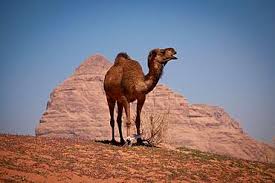
Introduction — Why Bedouin Life in Egypt Attracts Travelers from Around the World? Bedouin Life in Egypt: Traditions, Culture, and Authentic Experiences Bedouin Life in Egypt has long fascinated travelers, scholars, photographers, and cultural explorers alike. With a history spanning centuries, the Bedouins are not only desert dwellers—they are custodians of unique traditions, spiritual connections to nature, and vibrant cultural expressions. From the vast sands of Sinai to the rugged mountains, their lifestyle represents one of the most authentic cultural groups in the Middle East. For visitors seeking an Authentic Bedouin Experience, the Bedouin Culture in Sinai offers a rare window into a society shaped by resilience, simplicity, generosity, and freedom. Unlike conventional tourist trips, immersing yourself in Bedouin Life in Egypt is far more than riding camels across the desert or enjoying a single dinner under the stars. This experience introduces travelers to a community that has preserved its customs, rituals, arts, culinary traditions, and social structure for thousands of years. Those who spend time in Sinai often describe their encounters with Bedouins as “life-changing,” “peaceful,” and “transformative.” Daily Life and Traditions in Bedouin Culture in Sinai Understanding Bedouin Life in Egypt requires insight into their daily routines and social norms. Bedouins traditionally live in small family groups or clans, navigating the desert with remarkable skill and resourcefulness. Livelihoods include herding goats, sheep, and camels, collecting medicinal herbs, crafting textiles, and now increasingly guiding tourists in authentic experiences. Food and cooking are central to their culture. Traditional dishes are simple yet flavorful, often prepared with local herbs, goat milk, bread baked in clay ovens, and slow-cooked stews. Traditional Bedouin Activities in Egypt for visitors include learning how to prepare these meals, tasting herbal teas, and even participating in communal cooking. This hands-on approach gives travelers an intimate understanding of Bedouin ingenuity and hospitality. Clothing and crafts are also crucial aspects of Bedouin Culture in Sinai. Women create exquisite embroidery and woven textiles, while men maintain traditional attire adapted to desert life. Visitors joining Traditional Bedouin Activities in Egypt can witness or even participate in weaving, pottery, or henna painting, gaining a personal connection to the culture. Spiritual Connection and Desert Wisdom The Bedouins’ bond with the desert is profound. Bedouin Life in Egypt is guided by natural rhythms—sunrise and sunset, seasonal changes, and animal migration. Spiritual beliefs, storytelling, and songs are used to transmit wisdom, honor ancestors, and teach younger generations survival skills. For tourists, learning from Bedouin elders during desert walks or evening storytelling sessions is a rare chance to experience centuries-old knowledge firsthand. Traditional Bedouin Activities in Egypt for Visitors Visitors seeking an Authentic Bedouin Experience can participate in a variety of Traditional Bedouin Activities in Egypt, such as: Camel treks across Sinai dunes Desert camping under star-filled skies Learning Bedouin bread baking and herbal medicine preparation Listening to traditional music and poetry Visiting Bedouin villages to observe daily life, crafts, and trade Participating in guided desert hikes while learning navigation techniques These activities provide not only adventure but also cultural understanding, connecting travelers deeply to the people and land. Bedouin Culture in Sinai is preserved not only through daily life but also by sharing these experiences with respectful, curious visitors. Why Choose an Authentic Bedouin Experience Engaging in Traditional Bedouin Activities in Egypt transforms a simple trip into a profound journey. Travelers leave with a deep appreciation of Bedouin Life in Egypt, gaining knowledge about survival, sustainability, and the importance of community. Unlike conventional tourism, an Authentic Bedouin Experience nurtures empathy, curiosity, and respect for one of the world’s most resilient cultures. By participating in Bedouin Culture in Sinai, visitors also support local families, helping to sustain their way of life while encouraging cultural preservation. From desert wisdom to culinary skills, music, art, and storytelling, every moment spent with Bedouins enriches the traveler’s understanding of human connection and adaptation. 1. Origins of Bedouin Life in Egypt The roots of Bedouin Life in Egypt go back more than 3,000 years, with tribes migrating across the Arabian Peninsula, the Sinai desert, and the North African dunes. Today, Bedouin communities mainly live in: South Sinai (Dahab, Nuweiba, St. Catherine, Sharm) North Sinai The Eastern Desert near the Red Sea The Western Desert and Siwa Oasis These communities share values like honor, loyalty, hospitality, generosity, and respect for nature. In fact, Bedouin Culture in Sinai is one of the best-preserved due to the region’s mountains, protected areas, and strong tribal identity. H2: 2. Daily Rhythm of Bedouin Life in Egypt Daily life for the Bedouins is built around simplicity, nature, and family. Here is what their normal day typically includes: H3: Family Structure and Roles The tribe (ashira) is the core of social life. Elders solve disputes and guide the community. Women manage the home, cooking, children, and crafts. Men handle herding, trading, and guiding desert travelers. H3: Desert Survival Bedouins are masters of navigating harsh mountain and desert landscapes. Their knowledge includes: Finding water sources Reading the stars Understanding camel behavior Identifying edible plants Predicting weather conditions This deep connection with nature is a major reason tourists seek an Authentic Bedouin Experience. H2: 3. Bedouin Culture in Sinai — Traditions That Define Their Identity H3: Bedouin Hospitality (Al-Karam) Guests are treated like family. Even strangers are offered tea, shelter, and food without question. It is considered dishonorable to refuse a guest. H3: Clothing and Self-Expression Men wear long robes (galabeya) and keffiyeh headscarves for protection. Women wear embroidered dresses, jewelry, and face veils depending on their tribe. H3: Art, Music & Storytelling Bedouins preserve history through: Poetry Songs played on the rababa Oral storytelling Traditional dances H3: Food & Cooking Traditions Travelers love joining Traditional Bedouin Activities in Egypt that include cooking: Zarb (underground barbecue) Fresh Bedouin bread Rice with herbs for Authentic Bedouin Experience Desert tea with sage Goat or camel dishes for Authentic Bedouin Experience The food is simple, natural, and flavored with desert plants in Bedouin Life in Egypt. H2: 4. Traditional Bedouin Activities in