
Nile Cruise from Luxor to Aswan
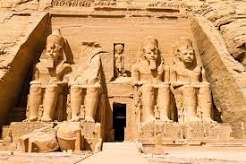
The Nile Cruise from Luxor to Aswan: Complete Guide to the Best Nile Cruise in Egypt The Nile cruise from Luxor to Aswan is the most iconic way to see Upper Egypt. In three to five nights you sail past palm groves, farmland and Nubian villages, and stop at some of the best-preserved temples in the country, all without repacking your suitcase. The ship is your hotel, restaurant and transport in one, and the river sets the pace. Whether you are looking for the best Nile cruise in Egypt, with spacious cabins and refined service, or the cheapest Nile cruise in Egypt that still gives you real comfort, this guide will help you choose. You will find the day-by-day itinerary, the main sites with approximate ticket prices, a comparison of ship categories, what is included, optional experiences and practical tips for first-time and returning visitors. Tour overview: Luxor to Aswan by Nile cruise Your journey begins in Luxor, often called the world’s greatest open-air museum, and ends in Aswan, the southern gateway of ancient Egypt. During the Nile cruise from Luxor to Aswan you sail for three or four nights aboard a comfortable cruise ship with full-board meals, guided sightseeing and onboard facilities such as a sundeck, restaurant and lounge. Duration: 4 days / 3 nights or 5 days / 4 nights. Season: Cruises run every week, and the best months are October to April. Direction: Most boats sail both ways. Some itineraries run Luxor to Aswan, others Aswan to Luxor, so check the departure city when you book. The programme balances exploration and rest: temples in the morning, the sundeck in the afternoon and quiet river views at night. Why take a Nile cruise from Luxor to Aswan? Luxor, ancient Thebes, was the capital of Egypt during the New Kingdom. Aswan marked the southern frontier and was the gateway to Nubia. Between them lie roughly 200 kilometres of river lined with major monuments. One base for the whole trip. You unpack once. The boat moves between sites while you eat, rest or watch the landscape. A comfortable pace. Visits are planned for the cooler hours, and the afternoon sailing gives you time to relax. Guided context. An Egyptologist guide explains each temple in order, so the history makes sense instead of feeling like a list of ruins. Scenery you can’t get by road. Green banks, traditional feluccas, farmers at work and small villages pass slowly by, which makes the cruise a very different experience from a land tour. Detailed itinerary: 4 days and 3 nights Day 1: Luxor, East Bank Check in before lunch. Visit Karnak Temple and Luxor Temple, with lunch and dinner onboard and the night in Luxor. If you want an evening activity, the Karnak Sound and Light Show can be added. Day 2: Luxor, West Bank, then sail to Edfu Visit the Valley of the Kings, the Temple of Queen Hatshepsut and the Colossi of Memnon. In the afternoon the ship sails towards Edfu, passing through the Esna Lock. Day 3: Edfu, Kom Ombo, then Aswan Visit the Temple of Horus at Edfu, then sail to Kom Ombo for its double temple. The ship continues to Aswan, with a Nile sunset along the way. Day 4: Aswan and end of cruise Visit the High Dam and the Temple of Philae. The cruise ends after the visits. An optional trip to Abu Simbel can be added, but it requires an early start. The 3-day version A three-day programme squeezes the same highlights: Luxor sights on day one, sailing with Edfu and Kom Ombo on day two, and Aswan on day three. It suits travellers with limited time who still want the full Luxor and Aswan experience. The 5-day version Four nights give you a more relaxed rhythm, longer sailing time and, depending on the boat, room for optional visits such as a Nubian village. Main sites on the route (with approximate ticket prices) Prices below are approximate and may change at the decision of the Ministry of Tourism and Antiquities. They are given in Egyptian pounds (EGP). Karnak Temple, about 600 EGP Built and expanded over more than two thousand years, Karnak was dedicated mainly to Amun-Ra and is one of the largest ancient religious complexes in the world. You will see the Great Hypostyle Hall with 134 colossal columns, the Sacred Lake where priests purified themselves, the obelisks of Queen Hatshepsut and the huge ceremonial pylons. Luxor Temple, about 500 EGP Once linked to Karnak by the Avenue of Sphinxes, Luxor Temple has statues of Ramses II, the grand colonnade of Amenhotep III and remains of Roman chapels. It is especially beautiful when lit at night. Valley of the Kings, about 600 EGP (3 tombs) The valley was the burial ground of New Kingdom pharaohs. Tombs such as those of Ramses III, IV, VI and IX show wall paintings from the Book of the Dead. Tutankhamun’s tomb costs an extra 300 EGP or so. Temple of Hatshepsut, about 440 EGP Built in terraces against the cliffs, this temple honours one of the few women who ruled Egypt as pharaoh. Its reliefs show the trade expedition to Punt, and chapels are dedicated to Hathor and Anubis. Colossi of Memnon, free A quick photo stop. The two seated statues of Amenhotep III once guarded his mortuary temple. Temple of Edfu, about 450 EGP Dedicated to Horus, this is among the best-preserved temples in Egypt. Look for the massive pylon, the inner sanctuaries and the reliefs of Horus defeating Seth. Temple of Kom Ombo, about 300 EGP A rare double temple dedicated to Sobek and Horus, with a perfectly symmetrical layout, reliefs of ancient medical instruments and a small museum of mummified crocodiles. Temple of Philae, about 550 EGP Dedicated to the goddess Isis, the temple was moved to Agilkia Island when the High Dam was built. You reach it by motorboat, and the evening light on the colonnades is a highlight of the trip. Aswan High
Guía Completa: Viaje a Egipto en 5 Días (El Cairo, Giza y Luxor) con Presupuesto de 1100 €
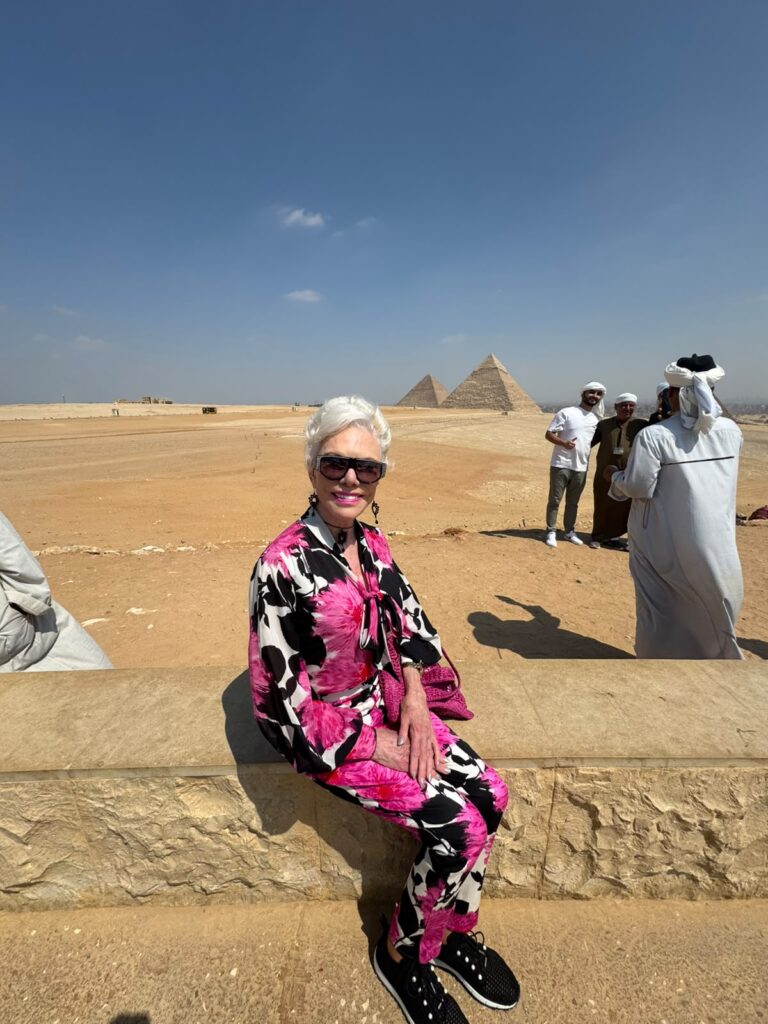
Guía Completa: Viaje a Egipto en 5 Días (El Cairo, Giza y Luxor) con Presupuesto de 1100 € Palabras clave de cola larga: itinerario de 5 días en Egipto El Cairo y Luxor · cuánto cuesta viajar a Egipto 5 días presupuesto · qué ver en El Cairo y Luxor en un viaje corto Egipto es, sin duda, uno de los destinos más fascinantes del planeta. Pocos lugares en el mundo permiten caminar literalmente entre monumentos de más de 4.500 años de antigüedad y, al mismo tiempo, disfrutar de mercados bulliciosos, gastronomía especiada y la calidez de un pueblo profundamente hospitalario. Aunque muchos viajeros piensan que se necesitan dos o tres semanas para “hacer justicia” al país del Nilo, lo cierto es que con una buena planificación es totalmente factible organizar una escapada de 5 días intensos y bien estructurados, centrada en los dos núcleos históricos más importantes del país: la región metropolitana de El Cairo y Giza, y la monumental ciudad de Luxor, conocida en la antigüedad como Tebas. Discover the Joy of Luxurious Nile Cruises: Mejores cruceros de lujo por el Nilo con suites presidenciales y balcón privado Esta guía no solo desglosa un itinerario día a día, sino que amplía la mirada hacia todo lo que un viajero necesita saber antes de pisar suelo egipcio: presupuesto realista, mejor época para viajar, seguridad, vestimenta, gastronomía, variantes del itinerario para quienes tengan un día más (o menos) y respuestas a las preguntas más frecuentes que surgen antes de un viaje de este tipo. Con un presupuesto de 1100 € por persona, es posible disfrutar de un viaje confortable que incluya vuelos internacionales, transporte interno rápido (vuelos domésticos), alojamientos de buena categoría (3 o 4 estrellas), entradas a los sitios arqueológicos principales, guías privados en español y una experiencia gastronómica local completa. ¿Por qué elegir un viaje corto a Egipto? Egipto tiene una superficie enorme y una oferta turística que abarca desde el Mar Rojo hasta el desierto blanco, pasando por Asuán y Abu Simbel. Sin embargo, si el tiempo disponible es limitado, concentrar el viaje en El Cairo, Giza y Luxor tiene todo el sentido: Concentración de patrimonio histórico: entre estas dos zonas se encuentra más del 80% de los sitios declarados Patrimonio de la Humanidad por la UNESCO relacionados con el Antiguo Egipto. Conexión aérea directa y rápida: el trayecto El Cairo–Luxor dura apenas una hora en avión, lo que permite optimizar al máximo los días disponibles. Buena relación calidad-precio: al tratarse de un circuito clásico, la oferta hotelera, de guías y de transporte está muy desarrollada, lo que permite ajustar el presupuesto sin sacrificar comodidad. Ideal para una primera visita: para quienes viajan a Egipto por primera vez, este recorrido ofrece una introducción completa a la civilización faraónica, el Egipto islámico y el Egipto copto cristiano. Egipto VIP: Mejores hoteles de 5 estrellas en Giza con vistas directas a las pirámides desde la habitaciónDesglose del Presupuesto Estimado (1100 € por persona) Concepto Coste Estimado por Persona Notas y Recomendaciones Vuelos Internacionales 350 € – 450 € Reservando con 2-3 meses de antelación (Madrid/Barcelona – El Cairo). Vuelos Internos (El Cairo – Luxor – El Cairo) 120 € – 160 € Vuelos directos de 1 hora con EgyptAir o Air Cairo para optimizar tiempo. Alojamiento (4 noches) 180 € – 220 € Hoteles de 3 y 4 estrellas con desayuno incluido (2 noches en Giza/El Cairo, 2 en Luxor). Entradas a Monumentos 130 € – 150 € Pases a las Pirámides, Museos, Valle de los Reyes, Karnak y Luxor. Transporte Local y Guías 120 € – 150 € Excursiones privadas con guía de habla hispana y traslados privados / Uber. Comidas y Bebidas 70 € – 100 € Restaurantes locales y degustación de gastronomía típica egipcia. Visado de Entrada + Imprevistos 30 € – 40 € Visado de entrada en el aeropuerto (25 USD) más propinas locales. TOTAL ESTIMADO 1000 € – 1100 € Presupuesto optimizado sin renunciar a la comodidad ni al tiempo. Cómo ajustar el presupuesto según el estilo de viaje Modo económico (mochilero): eligiendo hostales o guesthouses familiares, usando transporte público y trenes nocturnos en lugar de vuelos internos, el presupuesto puede bajar hasta los 700-800 €, aunque se pierde tiempo en desplazamientos. Modo confort (el descrito en esta guía): hoteles de 3-4 estrellas, vuelos internos y guías privados puntuales, entre 1000 y 1100 €. Modo premium: alojamiento en hoteles de 5 estrellas frente al Nilo (como los de la cadena Sofitel o Steigenberger), guía privado durante todo el viaje y coche con conductor exclusivo, el presupuesto puede superar los 1800-2200 €. Resumen del Itinerario Read complete guides for Giza pyramids.Pyramids of Giza Travel Guide 2026 Día 1: Llegada a El Cairo – Pirámides de Giza, Gran Esfinge y Gran Museo Egipcio (GEM) Museo Solar. Día 2: Museo Egipcio,, El Cairo Histórico y Bazar Khan El Khalili. el citadella Día 3: Vuelo a Luxor – Templo de Karnak y Templo de Luxor iluminado. Día 4: Valle de los Reyes, Templo de Hatshepsut, Colosos de Memnón y paseo en Feluca por el Nilo. Día 5: Regreso a El Cairo en vuelo mañanero – Ciudadela de Saladino, Barrio Copto y vuelo internacional de retorno. Itinerario Detallado Día a Día (que ver en el cairo y luxor en un viaje corto) Día 1: Bienvenidos a la Tierra de los Faraones – Las Pirámides de Giza y la Esfinge El viaje comienza con la llegada al Aeropuerto Internacional de El Cairo (CAI). Tras realizar los trámites sencillos de obtención del visado en las ventanillas bancarias del aeropuerto (coste fijo de 25 USD) y pasar el control de pasaportes, la opción más eficiente y económica para desplazarse al hotel es un traslado privado preinstalado o el uso de la aplicación Uber.Guía de Ultra-Lujo en Giza: Mejores hoteles de 5 estrellas en Giza con vistas directas a las Grandes Pirámides Mañana: La Meseta de Giza Dedica la mañana a explorar la única de las Siete Maravillas del Mundo Antiguo que
Egypt & Nile Cruise Tour: The Ultimate 8-Day Cairo, Luxor & Aswan Train Journey
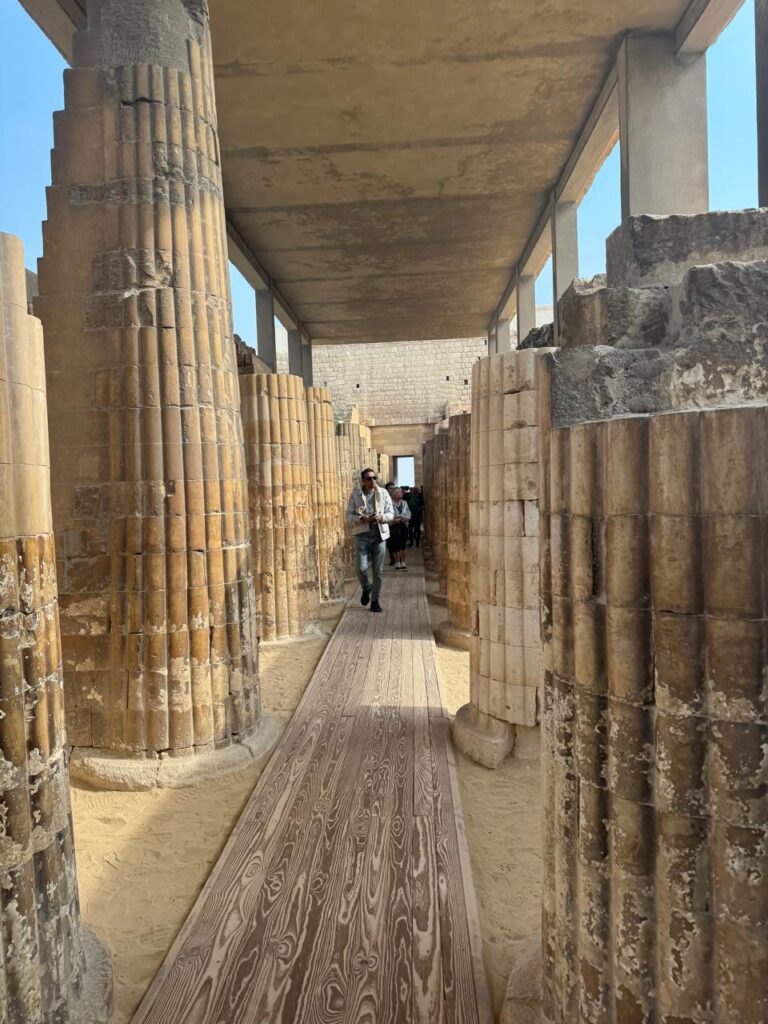
Mastering the Art of Egyptian Logistics: Your Definitive Guide For the modern traveler, Egypt is not just a destination; it is a complex theater of history that requires professional orchestration. When you set out to plan your 8 Day Egypt Itinerary, the primary goal should be the seamless integration of movement, safety, and cultural immersion. The key to unlocking the majesty of the Pharaohs lies in choosing the right infrastructure, ensuring that your Cairo Luxor Aswan Tour is defined by fluidity rather than friction. see the best 5 stars nile cruise from here: check this file to see everything about the cruise: https://bit.ly/Kleosnilecruise The journey begins with the realization that high-end travel in this region is built upon the quality of your transitions. For those seeking the Best Nile River Cruise Egypt has to offer, the experience is not limited to the boat itself. It is about how you arrive in Luxor and how you depart from Aswan. By integrating Luxury Egypt Train Travel into your plans, you bypass the volatility of regional airports. Imagine waking up in a private, climate-controlled sleeper cabin, watching the golden dawn light hit the palm trees along the riverbank—this is the true spirit of a premium Egyptian odyssey. 5-Day Tour Package: Best Recommendations for Sharm El Sheikh and Dahab Tour to Aswan and Abu Simbel What to See in Luxor: Valley of the Kings When you finalize your 8 Day Egypt Itinerary, ensure it prioritizes the “Early-Bird Tactical Entry.” Whether visiting the pyramids in Giza or the temples of Karnak, timing is everything. Our Cairo Luxor Aswan Tour model relies on arriving before the heavy cruise-ship buses, allowing you to experience the silence of ancient stone. This is where the Best Nile River Cruise Egypt operators truly distinguish themselves; they coordinate their docking schedules with the peak visiting hours of the archaeological sites, ensuring you are always one step ahead of the crowds. Furthermore, the integration of Luxury Egypt Train Travel serves as the perfect logistical buffer. It allows you to decompress after the sensory intensity of Cairo. While the capital is a labyrinth of energy, the rail journey provides a necessary pause, preparing you for the academic rigor of Luxor. A well-executed Cairo Luxor Aswan Tour must have this rhythmic pacing. You need the chaos of the city, the stillness of the train, and the serene flow of the river to truly digest the weight of the history you are witnessing. Stage 1: The Cairo Grand Opening (Days 1–3) Start your journey to Best Nile River Cruise Egypt or Luxury Egypt Train Travel where time stands still. From the moment you land, Cairo demands a strategy. We bypass the street noise by checking into the Four Seasons at The First Residence, ensuring your base is a quiet sanctuary. Stage one focuses on the Giza Plateau—arriving at 7:00 AM to beat the buses—and the deep history of the Egyptian Museum. We explain the “Cairo Logic”: why you need a private academic guide to navigate the labyrinth of the Khan el-Khalili market and how to experience authentic Koshary without the risk of “Pharaoh’s Revenge.” Stage 2: The Iron Path – Cairo to Luxor (Day 4) Focus: The romantic, high-end train crossing. Forget the internal flight; the overnight train from Cairo to Luxor is the heartbeat of classic Egyptian travel. We detail the “Luxury Sleeper Train” experience. Unlike standard tourist trains, we secure your private cabin, ensuring you wake up to the sunrise over the Nile. This stage covers the logistical preparation: how to pack for an overnight train, the best food to carry, and the transition from the frantic city energy to the slower, ancient pace of Luxor. Stage 3: Luxor & The Valley of the Kings (Days 5–6) Focus: The academic immersion. Luxor is the world’s greatest open-air museum. In this stage, we guide you through the Valley of the Kings and the Temple of Karnak. We emphasize the importance of “Early Bird” entry and why hiring a specialized Egyptologist is not a luxury, but a necessity for understanding the complex hieroglyphs. We explain why Luxor is the essential starting point for the finest Nile cruises, and how to spot a “trapper” before they even say hello. Stage 4: The Nile Cruise & The Road to Aswan (Days 7–8) Focus: Sailing the artery of civilization. The final leg is the cruise from Luxor to Aswan. We dissect the difference between a “standard” boat and the Best Nile River Cruise in Egypt (Oberoi/Sonesta/A&K). We discuss the engineering behind the Esna Lock crossing and the tranquility of the Felucca sailing at sunset. We conclude in Aswan, visiting the Philae Temple and discussing the logistics of a safe, secure departure, ensuring your 8-day odyssey ends as smoothly as it began. FAQ (For American & British Travelers) Is the sleeper train safe for families? Yes, provided you book private cabins through a verified agency. We handle all documentation and security vetting. How do I avoid getting sick? We provide a “Wellness Defense” protocol, ensuring all water is bottled, ice is industrial-grade, and food is sourced from high-audit kitchens. Are visas handled for US/UK citizens? We provide the “Fast-Track” arrival service to ensure your visa-on-arrival is processed without the airport hassle. Why can’t I just book the cheapest cruise online? Cheap cruises often use older engines (noise/vibration) and lack the sanitary protocols required for a worry-free experience. Stage 1: The Cairo Grand Opening (Days 1–3) – Navigating the Labyrinth with Precision Cairo is not merely a city; it is a colossal, multi-layered historical organism that demands a sophisticated entry strategy. For travelers arriving from the United States or the United Kingdom, the immediate shock of the Egyptian capital—the dense traffic, the omnipresent noise, and the vibrant, chaotic commerce—can be overwhelming. The difference between a stressful initiation and a seamless immersion into antiquity lies entirely in your logistics. The Arrival: A Seamless Integration Your journey begins with a “Zero-Touch” arrival. Upon landing at Cairo International Airport (CAI), the standard