
7-day Egypt itinerary Cairo Alexandria Siwa Oasis
7-Day Egypt Itinerary Cairo Alexandria Siwa Oasis: Private Tour with Desert Safari Looking for a 7-day Egypt itinerary Cairo Alexandria Siwa Oasis that goes beyond the standard Nile route? This private journey links three very different Egypts in one week: the pyramids and the Grand Egyptian Museum in Cairo, the Greco-Roman Mediterranean city of Alexandria, and the remote Siwa Oasis in the Western Desert. The last part is a private desert safari and historical tour from Cairo to Siwa that ends in the Great Sand Sea. Everything is arranged for you. You are collected from any location in Egypt, travel in a private air-conditioned vehicle with a professional guide, sleep in carefully chosen hotels and eco-lodges, and cross the desert with drivers who know it. Below you will find the day-by-day plan, what is included, practical advice and answers to the questions travelers ask most. Tour at a glance Duration 7 days / 6 nights Route Cairo, Giza, Alexandria, El Alamein, Siwa Oasis, back to Cairo Tour type Private, built around your dates and pace Pickup Any hotel, airport or private address in Egypt Transport Private air-conditioned vehicle, 4×4 for the desert safari Guides Professional Egyptologist, plus a local guide in Siwa Price Ask for a quote (depends on group size, hotels and season) Why this route works Most first visits to Egypt focus on the Nile valley. This route does something different: it follows three layers of the country’s history in one loop. Cairo and Giza give you the pharaonic world at its most monumental: the Great Pyramid, the Sphinx and, since the Grand Egyptian Museum opened in November 2025, the complete treasure of Tutankhamun displayed together. Alexandria, founded by Alexander the Great in 331 BC, shows the Greek and Roman layer and the Mediterranean face of Egypt. Siwa, a green island of palms and salt lakes deep in the desert, shows a culture that is neither pharaonic nor Greek. It is home to an Amazigh (Berber) community whose language, Siwi, is still spoken today. The result is a week with real variety: monuments, sea air, quiet oasis mornings and a night under desert stars. It also suits travelers who have already seen Luxor and Aswan, or who plan to add a Nile cruise on another trip. Day-by-day itinerary Day 1: Arrival in Cairo and a private Nile dinner cruise Your trip starts at Cairo International Airport, where our team meets you and takes you by private vehicle to a hotel overlooking the Nile. Cairo can feel overwhelming on arrival, so the first day is deliberately light. Rest, settle in and ask your guide anything about the week ahead. In the evening you board a private dinner cruise on the Nile. It works as an orientation: as the city lights reflect on the water, you get a sense of the scale of a metropolis built beside one of the oldest centers of civilization on earth. Overnight in Cairo. Day 2: Giza Plateau and the Grand Egyptian Museum Today is the pharaonic highlight of the week. With your Egyptologist you visit the Giza Plateau, home of the last surviving wonder of the ancient world. You walk around the base of the Great Pyramid of Khufu, about 4,500 years old, and hear how it was planned and built. You then stand before the Sphinx, the guardian of the plateau. Going inside a pyramid is optional and usually ticketed separately, and your guide will advise whether it suits you. After lunch you continue to the Grand Egyptian Museum, a short drive from the pyramids. Egypt inaugurated it on 1 November 2025, and it is widely described as the world’s largest archaeological museum devoted to a single civilization. You climb the Grand Staircase, lined with statues of kings and queens, and reach the Tutankhamun galleries. They show the complete collection from the boy king’s tomb, more than 5,000 objects, including the gold mask, the throne and the chariots, together for the first time since Howard Carter’s discovery in 1922. Your guide helps you focus on the details that matter instead of rushing past them: the craftsmanship of the jewelry, the everyday objects and the way the collection tells the story of a royal burial. Overnight in Cairo. Day 3: Alexandria, the Bride of the Mediterranean After breakfast you drive north to Alexandria, a trip of roughly three hours. Founded in 331 BC, the city became one of the great intellectual centers of the ancient world, and its mix of Greek, Roman, Islamic and Mediterranean influences makes it feel unlike any other Egyptian city. Catacombs of Kom El Shoqafa. This Roman-era burial complex blends Egyptian, Greek and Roman styles in a single set of carved chambers. According to the popular story, it was found in 1900 when a donkey fell into the shaft. Pompey’s Pillar. A single shaft of red granite that rises nearly 27 meters with its base. Despite the name, it was raised for a Roman emperor, not for Pompey. Citadel of Qaitbay. This 15th-century fortress stands where the ancient Pharos Lighthouse, one of the Seven Wonders of the Ancient World, once stood. Stones from the fallen lighthouse were reused in the fortress. From the ramparts you look straight out over the Mediterranean. Lunch is fresh seafood at a harbor-side restaurant. In the afternoon you visit the Bibliotheca Alexandrina, the modern library opened in 2002 beside the sea. Its sloping, disc-shaped roof is meant to resemble a sun rising from the water, and it honors the ancient library that made the city famous. The contrast between a Roman tomb in the morning and a futuristic library in the afternoon sums up the city. Overnight at a coastal hotel. Day 4: El Alamein, the coast road and arrival in Siwa Today is the longest drive of the outward journey, and the one that takes you out of the familiar Egypt. You leave Alexandria early and head west along the Mediterranean coast. The first stop is El Alamein, where fighting in 1942 helped
Tour to Siwa Oasis: The Complete Guide to Desert Adventure, Wellness, and Medical Tourism in Egypt
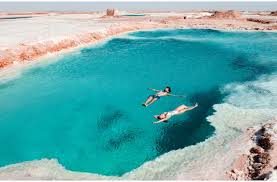
Tour to Siwa Oasis: The Complete Guide to Desert Adventure, Wellness, and Medical Tourism in Egypt A tour to Siwa Oasis is not just a holiday—it is a journey into one of the most untouched, authentic, and healing destinations in North Africa. Hidden deep within Egypt’s Western Desert, Siwa Oasis offers a rare mix of breathtaking landscapes, ancient history, traditional culture, and natural wellness experiences that place it at the heart of the medical tourism in Egypt. For travelers looking to escape crowded cities, experience silence and nature, and restore both body and mind, Siwa has become a top choice. Whether you are interested in desert adventure, cultural immersion, or natural healing, booking a tour to Siwa Oasis delivers a powerful and unforgettable experience. Where Is Siwa Oasis and Why Is It So Special? 7-Day Package | Siwa – Alexandria – Cairo (Pyramids & Grand Egyptian Museum) 7-Day Package | Siwa – Alexandria – Cairo (Pyramids & Grand Egyptian Museum) Siwa Oasis is located approximately 750 kilometers southwest of Cairo, near the Libyan border. Surrounded by the Great Sand Sea, it is one of the most isolated inhabited places in Egypt. This isolation has allowed Siwa to preserve its identity, traditions, and natural purity. Unlike mainstream tourist destinations, a tour to Siwa Oasis introduces visitors to a slower pace of life, where people still speak the Siwi Amazigh language, build homes from salt rock (kershef), and rely on palm trees, olive groves, and natural springs. What truly makes Siwa special is its balance between: Nature (desert, salt lakes, oases) History (ancient temples and ruins) Culture (Bedouin and Amazigh traditions) Wellness (sand therapy and mineral springs) This balance is why Siwa is now considered a pillar of the medical tourism in Egypt. Why Choose a Tour to Siwa Oasis Instead of Other Destinations? A tour to Siwa Oasis is ideal for travelers who want something meaningful and different. Unique Advantages of Siwa: No mass tourism or big resorts Clean air and untouched environment Natural therapies without chemicals Deep cultural authenticity Affordable long programs compared to international wellness retreats Many visitors describe their tour to Siwa Oasis as life-changing, especially those who come for healing, meditation, or stress recovery. 7-Day Package | Siwa – Alexandria – Cairo (Pyramids & Grand Egyptian Museum) Siwa Oasis and the Medical Tourism in Egypt Siwa plays a central role in the medical tourism in Egypt thanks to its natural healing elements that have been used for centuries. 1. Healing Sand Therapy (Sand Bathing) Sand therapy is the most famous medical attraction in Siwa. During a supervised session, guests are buried in hot desert sand for short periods. Believed benefits include: Relief from arthritis and rheumatism Reduction of joint and muscle pain Improved blood circulation Detoxification through sweating Relief from chronic back pain Many travelers specifically book a tour to Siwa Oasis for these sand therapy programs, making Siwa a global destination for alternative healing. 2. Salt Lakes Therapy Siwa’s salt lakes contain extremely high concentrations of salt and minerals. Floating in these lakes: Relaxes muscles Improves skin conditions (psoriasis, eczema) Reduces stress and anxiety Enhances sleep quality This natural treatment is a major reason Siwa is highlighted in discussions about the medical tourism in Egypt. 7-Day Package | Siwa – Alexandria – Cairo (Pyramids & Grand Egyptian Museum) 3. Natural Springs and Hot Baths Siwa is home to more than 200 natural springs, including: Cleopatra’s Spring Bir Wahed hot and cold springs These springs are rich in minerals and are used for: Skin rejuvenation Muscle relaxation Nervous system balance A well-planned tour to Siwa Oasis always includes visits to these springs. 7-Day Package | Siwa – Alexandria – Cairo (Pyramids & Grand Egyptian Museum) Cheapest Tour to Siwa Oasis: What Does It Really Mean? Many travelers assume Siwa is expensive because of its remote location. In reality, you can book the cheapest tour to Siwa Oasis with excellent services and authentic experiences. Cheapest Tour to Siwa Oasis – Starting Price From $800 for 2 persons Ideal for couples or close friends Exceptional value compared to international wellness destinations This price makes Siwa one of the most affordable destinations for the medical tourism in Egypt. What Is Usually Included in the Cheapest Tour to Siwa Oasis? Even the cheapest tour to Siwa Oasis often includes: Private or shared transportation from Cairo Accommodation in eco-lodges or traditional hotels Local Siwa guide Desert safari in 4×4 vehicles Visits to salt lakes and springs Historical sites and temples Meals prepared with local ingredients Despite being affordable, these tours remain rich in content and experience. Who Is a Tour to Siwa Oasis Perfect For? A tour to Siwa Oasis is suitable for: Couples seeking privacy and romance Wellness travelers interested in natural healing Travelers suffering from joint or skin issues Adventure lovers and photographers Cultural explorers and slow travelers It is especially recommended for those interested in the medical tourism in Egypt without hospitals or invasive procedures. Cultural Experience During a Tour to Siwa Oasis Beyond wellness, a tour to Siwa Oasis is a cultural immersion. Visitors can experience: Traditional Siwan houses made of salt rock Local clothing and jewelry Olive oil production Date harvesting Bedouin tea ceremonies This cultural depth adds emotional value to the tour and strengthens the holistic nature of the medical tourism in Egypt. Why Siwa Is Better Than Typical Wellness Resorts Unlike luxury spa resorts that isolate guests, Siwa: Integrates healing with culture and nature Encourages community interaction Offers real, traditional methods Is significantly more affordable This authenticity is why many wellness travelers prefer a tour to Siwa Oasis over commercial retreats. Tour to Siwa Oasis: Desert Safari, Wellness Programs, and the Future of Medical Tourism in Egypt Experiencing Siwa Beyond a Simple Tour A tour to Siwa Oasis is much more than visiting a remote desert location—it is a carefully layered experience that blends adventure, wellness, culture, and healing. In recent years, Siwa has gained international attention as one of the most promising destinations