Best Time to Visit Egypt: Ultimate Guide 2026 for Weather, Prices, and Tourist Seasons
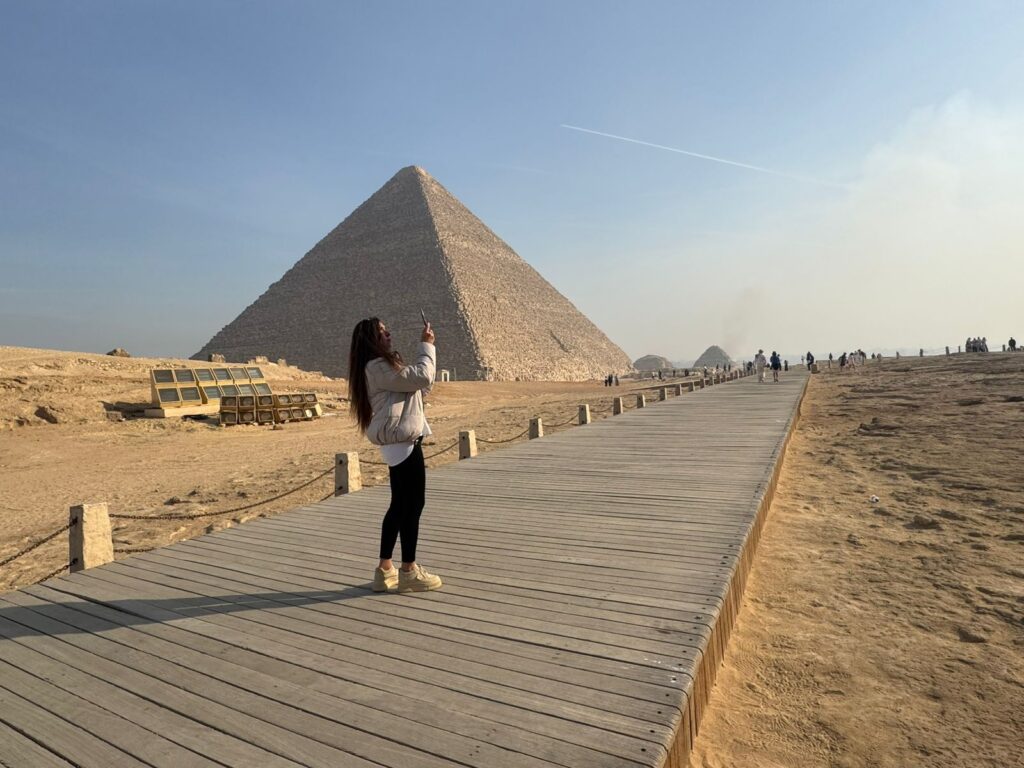
Best Time to Visit Egypt: Weather, Prices and Tourist Seasons Egypt has fascinated travelers for thousands of years. From the monumental pyramids of Giza to the temples of Luxor and the coral reefs of the Red Sea, the country offers an extraordinary combination of ancient history, vibrant culture, and natural beauty. However, one of the most common questions travelers ask before planning their journey is simple: what is the best time to visit Egypt? Understanding the climate, tourist demand, and seasonal travel patterns is essential for building the perfect itinerary. This comprehensive Egypt weather travel guide will help you understand how weather conditions, prices, and tourism seasons change throughout the year. With this knowledge, you can plan the perfect holiday based on your interests, budget, and travel style. This guide will also explain the different Egypt tourism seasons, from the busy winter months to the quiet summer period, so you can choose the best moment to explore the wonders of Egypt. Understanding Egypt’s Climate Before deciding the best time to visit Egypt, it is important to understand the country’s climate. Egypt is mostly desert, which means temperatures can vary significantly between seasons and between day and night. Egypt generally experiences two main seasons: Mild Winter (October to April) Hot Summer (May to September) However, within these seasons there are smaller climate variations depending on the region you visit. Climate in Cairo and Giza Cairo and the nearby Giza plateau are among the most visited destinations in the country. This is where travelers come to see the pyramids, the Sphinx, and the Grand Egyptian Museum. During winter months, temperatures in Cairo typically range between 15°C and 25°C, making sightseeing comfortable. This is one reason many experts consider winter the best time to visit Egypt. In summer, temperatures can exceed 38°C, which can make long outdoor tours more challenging. However, the advantage of summer travel is that tourist crowds are smaller and prices are often lower. This balance between weather and tourism demand is an important factor highlighted in every Egypt weather travel guide. Climate in Luxor and Aswan Southern Egypt is home to some of the most impressive monuments in the world, including Karnak Temple, the Valley of the Kings, and Abu Simbel. Luxor and Aswan experience even hotter temperatures than Cairo. During the winter months, temperatures range between 20°C and 28°C, which is ideal for visiting temples and archaeological sites. During summer, temperatures can exceed 45°C, which makes sightseeing extremely difficult during the daytime. Because of this extreme heat, many travelers consider the cooler months the best time to visit Egypt, especially if their itinerary includes Luxor or Aswan. Climate at the Red Sea The Red Sea coast, including destinations like Hurghada, Marsa Alam, and Sharm El-Sheikh, has a slightly different climate. These coastal regions enjoy warm temperatures year-round, with refreshing sea breezes. Typical conditions include: Winter: 20–25°C Spring: 25–30°C Summer: 30–35°C Autumn: 25–30°C Because of the warm water and sunny weather, the Red Sea is considered an excellent destination during most Egypt tourism seasons. Many visitors come here for diving, snorkeling, and relaxation after exploring historical sites. Egypt Tourism Seasons Tourism in Egypt follows a clear seasonal pattern. These Egypt tourism seasons affect not only weather but also hotel prices, flight costs, and crowd levels. The three main travel seasons include: High Season (October – April) This is widely considered the best time to visit Egypt. During these months: • Temperatures are mild and comfortable • Outdoor sightseeing is easier • Desert excursions are more pleasant This season is particularly popular among European travelers escaping the cold winter in their home countries. Major destinations such as Cairo, Luxor, and Aswan receive large numbers of tourists during this time. However, high season also means: • Higher hotel prices • Busier attractions • Earlier booking requirements This is a key reason every detailed Egypt weather travel guide recommends booking accommodations and tours well in advance during winter months. Shoulder Season (May and September) The shoulder season occurs between peak winter travel and the extremely hot summer months. Temperatures are warmer but still manageable, especially during early mornings and evenings. Advantages of traveling during shoulder season include: • Fewer tourists • Lower prices • Easier access to popular attractions Many experienced travelers believe that May and September may actually be the best time to visit Egypt if you want a balance between good weather and affordable prices. This period is especially suitable for travelers who want a quieter experience while exploring Egypt’s archaeological treasures. Low Season (June – August) Summer is considered the low tourism season in Egypt due to extreme temperatures, particularly in Upper Egypt. In cities like Luxor and Aswan, daytime temperatures can exceed 45°C. Despite this heat, there are still some advantages to visiting during summer: • Significantly cheaper hotels • Less crowded monuments • Easier last-minute bookings In coastal areas like the Red Sea, summer weather is more tolerable because of sea breezes. For travelers focused mainly on beach resorts, summer can still be a good time according to this Egypt weather travel guide. Why Weather Matters for Egyptian Travel Egypt’s main attractions are largely outdoor historical sites. Temples, pyramids, and archaeological ruins are usually visited under direct sunlight. Because of this, climate conditions play a major role in determining the best time to visit Egypt. For example: Walking through the Valley of the Kings in summer heat can be exhausting, while visiting the same site in winter is much more comfortable. Similarly, exploring the pyramids in the cooler months allows travelers to spend more time discovering the history and atmosphere of the ancient monuments. Understanding the Egypt tourism seasons helps travelers plan their daily schedules as well. Many tours start early in the morning to avoid midday heat, especially during warmer months. Cultural Events and Festivals Another important factor when choosing the best time to visit Egypt is cultural events. Throughout the year, Egypt hosts festivals, religious celebrations, and cultural gatherings that add a unique dimension