Dendera and Abydos Tour from Luxor – What Are the Best Places to Visit in Luxor & The Best Pharaonic Attractions in Egypt Including the Karnak Temple and Valley of Kings
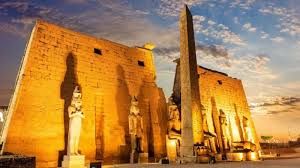
Dendera and Abydos Tour – Discover the Sacred Heart of Ancient Egypt When travelers ask, what are the best places to visit in Luxor, most people immediately mention the Valley of the Kings and Karnak. But true explorers know that beyond Luxor’s famous landmarks lies something even more spiritual, more mysterious, and more breathtaking — the sacred temples of Dendera and Abydos. This extraordinary journey is not just a tour. It is a passage through time. A road trip into the spiritual soul of ancient Egypt. Imagine leaving Luxor early in the morning. The Nile glows under the sunrise. The desert stretches endlessly around you. The air is calm. The anticipation builds. Today, you will witness some of the best pharaonic attractions in Egypt, far from the crowds, where history feels untouched. The Journey from Luxor The tour to Dendera and Abydos usually begins from Luxor by private air-conditioned vehicle. The drive to Dendera takes approximately 1.5 hours north along the Nile Valley. The scenery is authentic rural Egypt — palm trees, sugarcane fields, small villages, farmers working the land exactly as their ancestors did thousands of years ago. This drive already answers part of the question: what are the best places to visit in Luxor? Because Luxor is not only monuments — it is atmosphere, landscape, culture, and timeless beauty. After Dendera, you continue approximately 2.5 hours further north to Abydos. The road becomes quieter, more desert-like. You feel you are entering sacred territory. The Temple of Dendera – The Temple of Hathor Dendera is one of the best-preserved temples in Egypt. It is dedicated to Hathor, goddess of love, music, healing, and motherhood. As you approach the massive stone entrance, your breath stops. Gigantic columns rise before you, each topped with the face of Hathor. The carvings are unbelievably sharp, as if carved yesterday. The ceiling still holds traces of original colors — deep blues, reds, golds. Walking inside, you feel protected by history. This temple is not ruined. It is complete. Many visitors say that among the best pharaonic attractions in Egypt, Dendera offers the most intact spiritual atmosphere. You can climb to the rooftop. You can see the famous Dendera Zodiac (original in museum, replica on ceiling). You can enter crypts beneath the temple — narrow stone corridors filled with mysterious reliefs. Standing inside Dendera, you begin to understand ancient Egyptian spirituality. It was not just architecture. It was energy. It was cosmic alignment. It was healing. And that connects deeply with modern travelers searching for something meaningful beyond sightseeing. The Experience Your guide explains hieroglyphs in detail: The rituals of Hathor The astronomical ceiling The sacred birth house The Roman additions by Emperor Tiberius You do not just look. You understand. And when people ask later what are the best places to visit in Luxor, you will confidently answer: Dendera is essential. Why Combine Dendera with Abydos? Because Abydos is even more powerful. If Dendera represents beauty and harmony, Abydos represents eternity. Abydos was the most sacred burial site in ancient Egypt before the Valley of the Kings existed. Yes — even before the Karnak Temple and Valley of Kings became the center of royal glory, Abydos was already holy ground. Abydos Temple of Seti I – The Sacred Gateway to Eternity As the road stretches further north from Dendera, the landscape becomes quieter, more mystical. The fertile green fields slowly give way to wide desert horizons. The silence feels ancient. This is not just another stop on your itinerary. This is Abydos — one of the most sacred spiritual centers in all of ancient Egypt. When travelers ask, what are the best places to visit in Luxor, very few realize that the true spiritual heart of ancient Egypt lies just beyond the typical tourist routes. Abydos is not crowded. It is not commercial. It is raw, authentic, and overwhelmingly powerful. And that is exactly why it is considered one of the best pharaonic attractions in Egypt for those who seek something deeper than photographs. Arrival at Abydos – First Impression As your vehicle approaches the Temple of Seti I, the desert air feels different. There is a silence here that feels sacred. The temple rises from the sand like a stone manuscript written by the gods. Unlike many Egyptian temples built in standard rectangular layouts, Abydos has a unique architectural design. Its shape is unusual — almost like an elongated L-shape — because it was designed as a temple of memory, resurrection, and divine kingship. Before entering, your guide explains something crucial: Abydos was believed to be the burial place of Osiris, the god of the afterlife. Every Egyptian, from the poorest farmer to the most powerful king, dreamed of being connected to Abydos. It was the ultimate spiritual destination. Suddenly, you understand that this journey is not just historical — it is symbolic. Entering the Temple of Seti I The first courtyard leads you toward a hypostyle hall supported by massive columns. The carvings here are unlike any others in Egypt. The reliefs are deep, sharp, and astonishingly detailed. Seti I, father of Ramses II, built this temple not only to honor the gods but to establish divine legitimacy for his dynasty. The walls show: Seti I offering to Osiris Ritual purification ceremonies Scenes of divine coronation Cosmic symbolism linking heaven and earth The artistry is so refined that many Egyptologists consider Abydos to contain the finest relief carvings in all of Egypt. This is why it stands proudly among the best pharaonic attractions in Egypt. The colors, though faded, still whisper ancient brilliance. Deep blues and reds remain visible in protected sections. You can almost imagine the temple fully painted, glowing under torchlight thousands of years ago. The Famous Abydos King List One of the most historically important features inside the temple is the King List of Abydos. Here, carved into the wall, Seti I listed 76 kings of Egypt in chronological order, beginning with Menes (Narmer), the unifier of