One day tour to Luxor West Bank Luxor Tour – Valley of the Kings – Valley of the Queens – Hatshepsut Temple – Ramesseum – Colossi of Memnon – Optional Hot Air Balloon Ride
Embark on a breathtaking full-day journey through the timeless treasures of Luxor’s West Bank, where ancient Egypt comes alive among tombs, temples, and dramatic desert landscapes.
Pickup from your hotel, airport, or cruise dock in a private air-conditioned vehicle, accompanied by an expert Egyptologist guide.
💰 Pricing (Per person)
- 1 person: €155
- 2 people: €120 per person
- 3–4 people: €110 per person
- 5–11 people: €90 per person
- 12–18 people: €80 per person
- More than 18 people: €70 per person
- 👶 Children under 5 years: Free of charge
Package includes:
- Private air-conditioned transport
- Professional Egyptologist guide
- Lunch at a high-quality local restaurant
- One bottle of mineral water per person
- Pickup & drop-off from anywhere in Luxor
🎁 Optional Add-ons:
- 📸 Professional photographer: €100/day
- 🎈 Hot air balloon ride: $90 per person (pre-booking required)
🚐 Tour Itinerary:
Valley of the Kings – Valley of the Queens – Hatshepsut Temple – Ramesseum – Colossi of Memnon – Optional Hot Air Balloon Ride
0000000000000000000000000000000000000000000000000000000000000000000000000000000000000000000000000
🎈 Optional: Sunrise Hot Air Balloon Ride
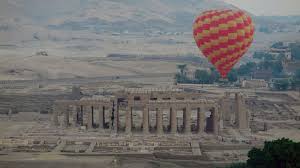
Begin your adventure early with a sunrise hot air balloon flight (optional), floating silently above the West Bank.
Witness the golden rays of dawn over:
The Valley of the Kings
Hatshepsut Temple
Lush farmlands and desert cliffs
An unforgettable aerial view of ancient splendor.
(Additional: $90 per person – book in advance)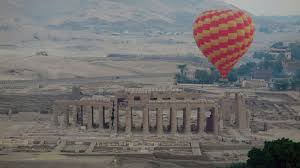

🪦 Valley of the Kings
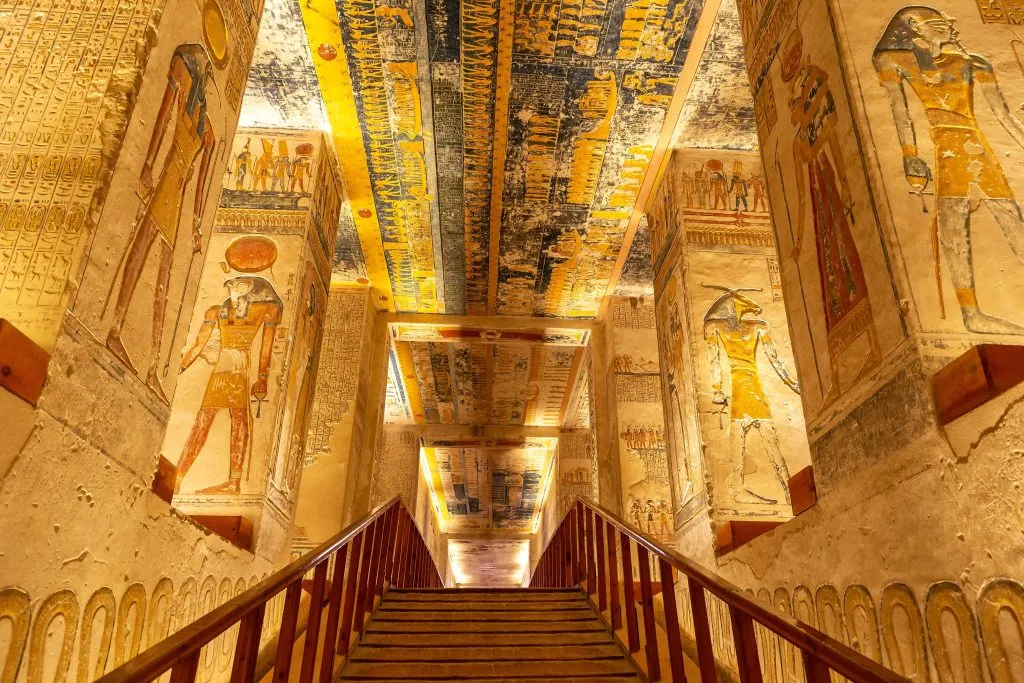
Enter the legendary royal necropolis where pharaohs of the New Kingdom (18th–20th Dynasties) were buried deep within the mountains.
Your ticket includes entry to 3 open tombs, selected with your guide based on current availability and historical significance. Common highlights:
Tomb of Ramses III (KV11): Spectacular colors, grand chambers, and vivid inscriptions.
Tomb of Ramses IX (KV6): Known for its beautifully painted ceilings and symbolic art.
Tomb of Merneptah (KV8): Massive halls with rich religious texts from the Book of the Dead.
🟡 Optional Tombs (Extra Ticket Required):
Tomb of Tutankhamun (KV62): Contains his original sarcophagus and beautifully decorated chamber.
Tomb of Seti I (KV17): The most magnificent in the valley; intricate, lengthy, and well-preserved.
Tomb of Ramses V & VI (KV9): Stunning ceiling art with celestial scenes.
👑 Valley of the Queens
Next, visit the resting place of royal wives and children.
Included tombs often feature:
Tomb of Queen Titi (QV52): Brightly colored, with scenes of the afterlife.
Tomb of Prince Amunherkhepshef: A young prince’s burial chamber with poignant artwork.
🟡 Optional Highlight:
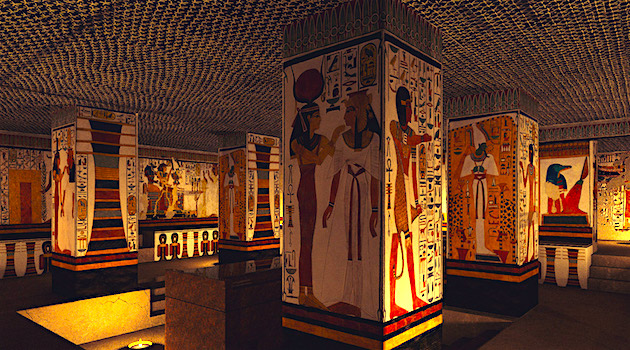
Tomb of Nefertari (QV66): A masterpiece of ancient art, famed for its vibrant wall paintings and exceptional preservation.
(Special ticket required – limited access)
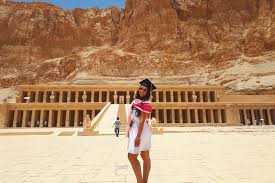
⛩️ Hatshepsut Temple (Deir el-Bahari)
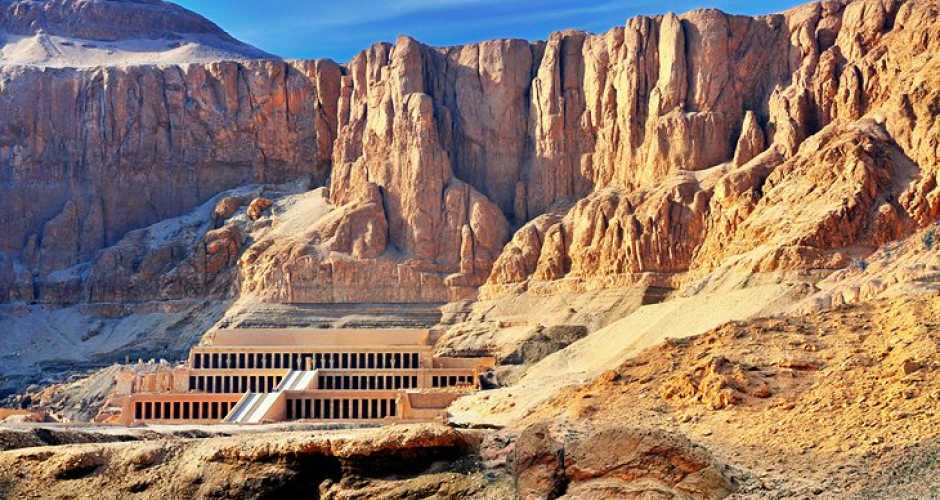
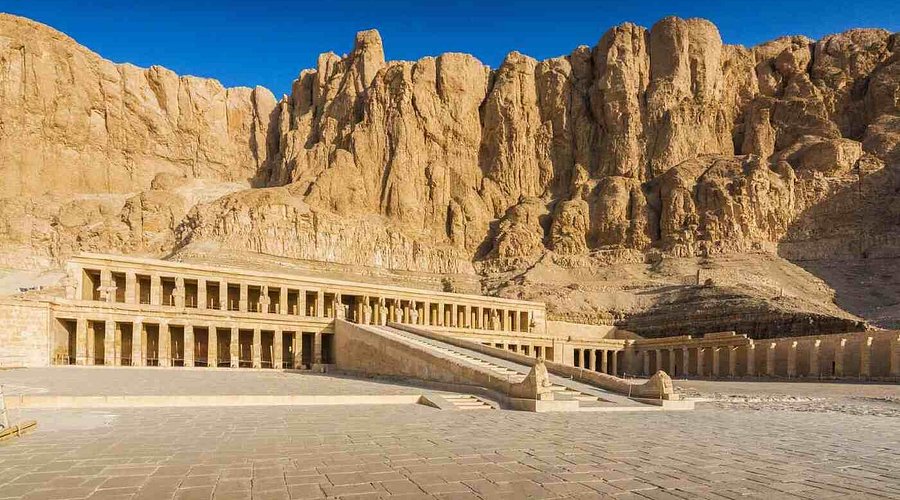
An architectural marvel carved into the cliffs, this terraced temple celebrates Egypt’s most powerful female pharaoh.
Explore:
Grand colonnades
Reliefs depicting the Punt expedition
Statues of Hatshepsut as Osiris
Panoramic views from its elevated platforms
A perfect blend of power, elegance, and divine symbolism.
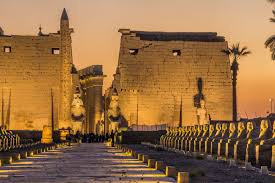
Ramesseum (Temple of Ramses II)
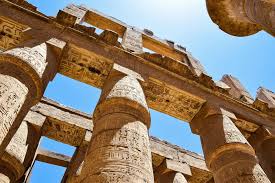
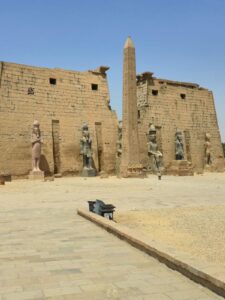
A quieter, yet majestic funerary temple with fewer crowds. Highlights include:
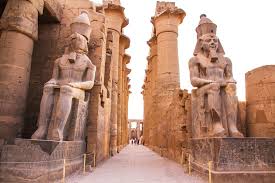
The shattered remains of a giant seated statue of Ramses II
Massive pylons and reliefs showcasing the Battle of Kadesh
Columns and walls inscribed with hymns and royal achievements
A site full of mystery and faded grandeur.
🗿 Colossi of Memnon
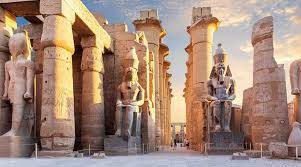
Stand before the two towering statues of Pharaoh Amenhotep III, each 18 meters tall.
These iconic guardians once flanked a vast temple complex. Learn about the legend of the “Singing Statues” – mysterious sounds once reported at dawn in antiquity.
🍽️ Lunch
Pause midday for a delicious traditional Egyptian lunch at a scenic local restaurant near the Nile or in a peaceful rural setting.
🕗 Tour Timing:
With balloon: 6:00 AM – 5:00 PM
Without balloon: 8:00 AM – 5:00 PM
👥 Tour Type:
Private / Group (based on your preference)
One Day Tour to Luxor: Valley of the Kings, Hatshepsut Temple & West Bank Highlights with Optional Hot Air Balloo

One Day Tour to Luxor – Discover the Sacred West Bank
A one day tour to Luxor is one of the most rewarding cultural experiences in Egypt. Luxor, often described as the world’s greatest open-air museum, preserves the heart of ancient Thebes, the capital of Egypt during the height of the New Kingdom.
While the East Bank symbolized life and worship, the West Bank of Luxor was dedicated to death, rebirth, and eternity. Here, pharaohs built their tombs and mortuary temples to prepare their souls for the afterlife.
This carefully designed one day tour to Luxor allows travelers to explore the most important West Bank monuments in a single, immersive journey, combining history, architecture, and breathtaking desert landscapes.
Optional Sunrise Hot Air Balloon – The Perfect Start to Your One Day Tour to Luxor

Your one day tour to Luxor can begin with an unforgettable sunrise hot air balloon ride over the West Bank (optional).
As the sun rises above the Nile, you will float gently over:
-
The legendary Valley of the Kings
-
The dramatic terraces of Hatshepsut Temple
-
Green agricultural villages and palm groves
-
The golden cliffs that shelter royal tombs
This aerial perspective reveals how ancient Egyptians aligned their monuments with nature, the sun, and the cycle of rebirth. The balloon ride offers stunning photo opportunities and a peaceful introduction to Luxor’s sacred geography.
Valley of the Kings – The Heart of Any One Day Tour to Luxor
The Valley of the Kings is the most important archaeological site on Luxor’s West Bank and the highlight of any one day tour to Luxor. Hidden among limestone mountains, this royal necropolis was used between the 18th and 20th Dynasties for the burial of Egypt’s greatest pharaohs.
Unlike the pyramids of the Old Kingdom, the Valley of the Kings tombs were cut deep into the rock to protect royal mummies and funerary treasures from robbery.
Why the Valley of the Kings Is So Important
-
Burial place of Egypt’s most powerful kings
-
Walls covered with sacred funerary texts
-
Stunning colors preserved for over 3,000 years
-
Architectural designs symbolizing the journey to the afterlife
Your Egyptologist guide will explain how these tombs were sealed, protected, and ritually activated to ensure eternal life for the pharaoh.
Included Tombs in the Valley of the Kings
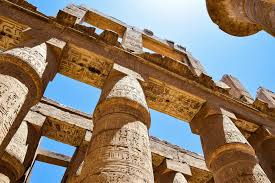
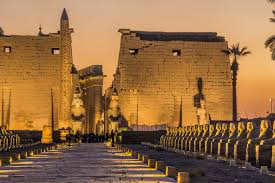
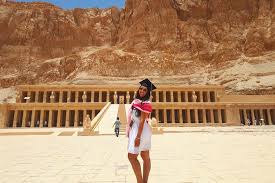
Your entrance ticket includes access to three open tombs, chosen according to availability and artistic quality.
Commonly Visited Tombs
Tomb of Ramses III (KV11)
Famous for its long corridors, vibrant colors, and dramatic scenes depicting divine judgment and rebirth.
Tomb of Ramses IX (KV6)
Known for its celestial ceilings, star decorations, and symbolic passages related to the sun god Ra.
Tomb of Merneptah (KV8)
A massive royal tomb filled with religious inscriptions from the Book of Gates and Book of the Dead.
Each tomb provides unique insight into royal ideology, burial rituals, and ancient Egyptian beliefs about the afterlife.
Optional Tombs (Extra Ticket)
Visitors on a one day tour to Luxor may also choose to enter additional tombs:
-
Tutankhamun (KV62): Home to the young king’s original mummy and sarcophagus
-
Seti I (KV17): The most magnificent and artistically perfect tomb in the valley
-
Ramses V & VI (KV9): Famous for its breathtaking astronomical ceiling
These tombs add exceptional depth to the Valley of the Kings experience.
Why the Valley of the Kings Defines a One Day Tour to Luxor
The Valley of the Kings is not merely a burial ground—it is a sacred blueprint of the ancient Egyptian universe. Walking through these tombs allows visitors to understand:
-
How Egyptians viewed death as rebirth
-
Why pharaohs were considered divine beings
-
How art, religion, and astronomy shaped tomb design
No one day tour to Luxor is complete without exploring the Valley of the Kings, making it the spiritual and historical core of the West Bank experience.
STAGE 2 / 4 – Expanded & SEO-Intensive
Valley of the Queens – The Sacred Extension of Your One Day Tour to Luxor
While the Valley of the Kings served as the eternal resting place of pharaohs, the Valley of the Queens was dedicated to royal wives, princes, and princesses of the New Kingdom. A visit to this site completes the narrative of any one day tour to Luxor, offering a more intimate and emotional glimpse into ancient Egyptian royal life.
Located southwest of the Valley of the Kings, the Valley of the Queens (Ta-Set-Neferu, meaning “The Place of Beauty”) contains over 90 tombs, many of which feature remarkably preserved wall paintings rich in color, symbolism, and mythology.
Unlike the monumental scale of the Valley of the Kings, the Valley of the Queens focuses on:
-
Family
-
Protection
-
Divine motherhood
-
The nurturing role of queens in royal ideology
This contrast deepens the visitor’s understanding of gender, power, and legacy in ancient Egypt.
Artistic & Religious Significance of the Valley of the Queens
The tombs in the Valley of the Queens are masterpieces of religious storytelling. Scenes depict queens being guided by goddesses such as:
-
Isis
-
Hathor
-
Nephthys
-
Ma’at
These images symbolized protection in the afterlife and reinforced the divine status of royal women.
For travelers on a one day tour to Luxor, the Valley of the Queens adds emotional depth to the grandeur of the Valley of the Kings, showing how belief, love, and family shaped royal burial traditions.
Included Tombs in the Valley of the Queens
Your ticket usually includes access to several beautifully decorated tombs, depending on availability.
Tomb of Queen Titi (QV52)
A vibrant tomb featuring well-preserved wall scenes showing Queen Titi before Osiris and other gods. The colors remain astonishingly vivid, reflecting the skill of ancient artists.
Tomb of Prince Amunherkhepshef
This tomb offers a touching insight into the burial of royal children, decorated with protective deities and symbolic texts ensuring rebirth.
These tombs are smaller than those in the Valley of the Kings but often better preserved, making them favorites among photographers and art lovers.
Optional Highlight – Tomb of Queen Nefertari (QV66)
The Tomb of Nefertari, wife of Ramses II, is widely regarded as the most beautiful tomb in Egypt and one of the most exquisite burial chambers ever discovered.
Often called the “Sistine Chapel of Ancient Egypt,” this masterpiece features:
-
Brilliant reds, blues, and golds
-
Scenes of Nefertari playing the board game Senet
-
Divine encounters with Osiris and Isis
Access is strictly limited to protect the artwork, and an additional ticket is required. For travelers seeking a premium cultural experience on a one day tour to Luxor, this tomb is unforgettable.
Hatshepsut Temple – A Cornerstone of Every One Day Tour to Luxor
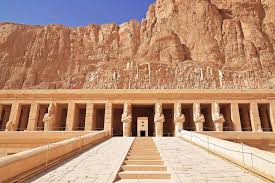
The Hatshepsut Temple (Deir el-Bahari) is not only one of Egypt’s most iconic monuments, but also one of the most politically powerful architectural statements ever built.
Rising dramatically against towering limestone cliffs, Hatshepsut Temple represents innovation, ambition, and divine authority. No one day tour to Luxor is complete without standing before this architectural marvel.
Who Was Hatshepsut?
Hatshepsut was one of the most successful rulers in ancient Egyptian history and the most powerful female pharaoh to ever rule Egypt. Rather than ruling as a queen or regent, she assumed full pharaonic titles and depicted herself in male royal form.
Her reign was characterized by:
-
Peace and prosperity
-
Massive construction projects
-
Expanding trade networks
-
Artistic refinement
Hatshepsut Temple was built not only as a place of worship but also as a political manifesto carved in stone.
Architectural Brilliance of Hatshepsut Temple
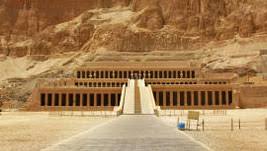
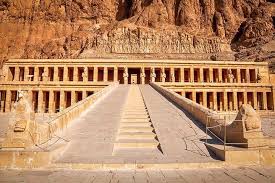
Unlike traditional temples, Hatshepsut Temple is arranged in three terraced levels connected by long ramps. This design creates a powerful visual dialogue between human architecture and natural landscape.
Key Architectural Features
-
Grand colonnades with symmetrical pillars
-
Processional ramps symbolizing the path to divinity
-
Solar alignment with the rising sun
-
Perfect harmony with surrounding cliffs
This revolutionary design influenced temple construction for generations.
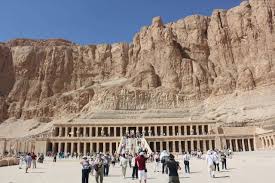
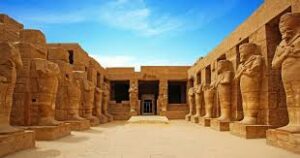
Sacred Reliefs & Historical Records at Hatshepsut Temple
One of the most valuable elements of Hatshepsut Temple is its detailed reliefs documenting real historical events.
The Punt Expedition
These reliefs illustrate Egypt’s legendary trade expedition to the Land of Punt, showing:
-
Exotic trees and animals
-
Gold, incense, and spices
-
Ships crossing the Red Sea
This is one of the earliest visual records of international trade in human history.
Divine Birth Scenes
Other reliefs portray Hatshepsut’s divine birth, reinforcing her legitimacy as a pharaoh chosen by the god Amun.
These scenes explain how art and propaganda shaped royal authority — a key concept your guide will highlight during your one day tour to Luxor.
Statues & Symbolism at Hatshepsut Temple

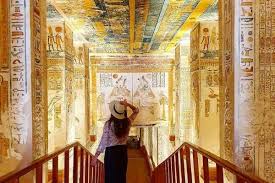
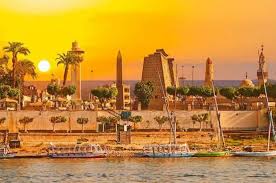
Throughout the temple, you’ll find statues of Hatshepsut depicted as:
-
Osiris (god of resurrection)
-
A male pharaoh with false beard
-
A divine ruler protected by the gods
These statues demonstrate how Hatshepsut skillfully navigated gender expectations to maintain power in a male-dominated society.
Why Hatshepsut Temple Is Essential After the Valley of the Kings
After exploring the Valley of the Kings, Hatshepsut Temple offers a powerful contrast:
-
Tombs represent death and rebirth
-
The temple celebrates life, authority, and legacy
Together, they create a complete spiritual and political picture of ancient Thebes, making your one day tour to Luxor intellectually rich and emotionally memorable.
📞 Reserve by WhatsApp: +201023675232
📧 Email: momotours6@gmail.com
🌟 Colosos de Memnón


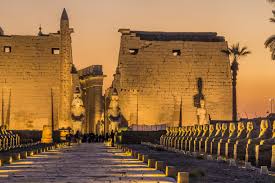
Valley of the Queens – The Sacred Extension of Your One Day Tour to Luxor
While the Valley of the Kings served as the eternal resting place of pharaohs, the Valley of the Queens was dedicated to royal wives, princes, and princesses of the New Kingdom. A visit to this site completes the narrative of any one day tour to Luxor, offering a more intimate and emotional glimpse into ancient Egyptian royal life.
Located southwest of the Valley of the Kings, the Valley of the Queens (Ta-Set-Neferu, meaning “The Place of Beauty”) contains over 90 tombs, many of which feature remarkably preserved wall paintings rich in color, symbolism, and mythology.
Unlike the monumental scale of the Valley of the Kings, the Valley of the Queens focuses on:
-
Family
-
Protection
-
Divine motherhood
-
The nurturing role of queens in royal ideology
This contrast deepens the visitor’s understanding of gender, power, and legacy in ancient Egypt.
Artistic & Religious Significance of the Valley of the Queens
The tombs in the Valley of the Queens are masterpieces of religious storytelling. Scenes depict queens being guided by goddesses such as:
-
Isis
-
Hathor
-
Nephthys
-
Ma’at
These images symbolized protection in the afterlife and reinforced the divine status of royal women.
For travelers on a one day tour to Luxor, the Valley of the Queens adds emotional depth to the grandeur of the Valley of the Kings, showing how belief, love, and family shaped royal burial traditions.
Included Tombs in the Valley of the Queens
Your ticket usually includes access to several beautifully decorated tombs, depending on availability.
Tomb of Queen Titi (QV52)
A vibrant tomb featuring well-preserved wall scenes showing Queen Titi before Osiris and other gods. The colors remain astonishingly vivid, reflecting the skill of ancient artists.
Tomb of Prince Amunherkhepshef
This tomb offers a touching insight into the burial of royal children, decorated with protective deities and symbolic texts ensuring rebirth.
These tombs are smaller than those in the Valley of the Kings but often better preserved, making them favorites among photographers and art lovers.
Optional Highlight – Tomb of Queen Nefertari (QV66)
The Tomb of Nefertari, wife of Ramses II, is widely regarded as the most beautiful tomb in Egypt and one of the most exquisite burial chambers ever discovered.
Often called the “Sistine Chapel of Ancient Egypt,” this masterpiece features:
-
Brilliant reds, blues, and golds
-
Scenes of Nefertari playing the board game Senet
-
Divine encounters with Osiris and Isis
Access is strictly limited to protect the artwork, and an additional ticket is required. For travelers seeking a premium cultural experience on a one day tour to Luxor, this tomb is unforgettable.
Hatshepsut Temple – A Cornerstone of Every One Day Tour to Luxor
The Hatshepsut Temple (Deir el-Bahari) is not only one of Egypt’s most iconic monuments, but also one of the most politically powerful architectural statements ever built.
Rising dramatically against towering limestone cliffs, Hatshepsut Temple represents innovation, ambition, and divine authority. No one day tour to Luxor is complete without standing before this architectural marvel.
Who Was Hatshepsut?
Hatshepsut was one of the most successful rulers in ancient Egyptian history and the most powerful female pharaoh to ever rule Egypt. Rather than ruling as a queen or regent, she assumed full pharaonic titles and depicted herself in male royal form.
Her reign was characterized by:
-
Peace and prosperity
-
Massive construction projects
-
Expanding trade networks
-
Artistic refinement
Hatshepsut Temple was built not only as a place of worship but also as a political manifesto carved in stone.
Architectural Brilliance of Hatshepsut Temple
Unlike traditional temples, Hatshepsut Temple is arranged in three terraced levels connected by long ramps. This design creates a powerful visual dialogue between human architecture and natural landscape.
Key Architectural Features
-
Grand colonnades with symmetrical pillars
-
Processional ramps symbolizing the path to divinity
-
Solar alignment with the rising sun
-
Perfect harmony with surrounding cliffs
This revolutionary design influenced temple construction for generations.
Sacred Reliefs & Historical Records at Hatshepsut Temple
One of the most valuable elements of Hatshepsut Temple is its detailed reliefs documenting real historical events.
The Punt Expedition
These reliefs illustrate Egypt’s legendary trade expedition to the Land of Punt, showing:
-
Exotic trees and animals
-
Gold, incense, and spices
-
Ships crossing the Red Sea
This is one of the earliest visual records of international trade in human history.
Divine Birth Scenes
Other reliefs portray Hatshepsut’s divine birth, reinforcing her legitimacy as a pharaoh chosen by the god Amun.
These scenes explain how art and propaganda shaped royal authority — a key concept your guide will highlight during your one day tour to Luxor.
Statues & Symbolism at Hatshepsut Temple
Throughout the temple, you’ll find statues of Hatshepsut depicted as:
-
Osiris (god of resurrection)
-
A male pharaoh with false beard
-
A divine ruler protected by the gods
These statues demonstrate how Hatshepsut skillfully navigated gender expectations to maintain power in a male-dominated society.
Why Hatshepsut Temple Is Essential After the Valley of the Kings
After exploring the Valley of the Kings, Hatshepsut Temple offers a powerful contrast:
-
Tombs represent death and rebirth
-
The temple celebrates life, authority, and legacy
Together, they create a complete spiritual and political picture of ancient Thebes, making your one day tour to Luxor intellectually rich and emotionally memorable.
Practical Guide, Travel Tips & Final Experience
Best Time to Enjoy a One Day Tour to Luxor
Choosing the right time greatly enhances your one day tour to Luxor, especially when visiting outdoor sites like the Valley of the Kings and Hatshepsut Temple.
Ideal Seasons
-
October to April: Best weather, mild temperatures, perfect for walking and photography
-
May to September: Hotter, but quieter and less crowded — early starts are recommended
Morning hours are particularly important when exploring the Valley of the Kings, as tomb interiors are cooler and lighting conditions are better.
What to Wear on a One Day Tour to Luxor
Comfort and respect for local culture are essential.
Recommended Clothing
-
Lightweight cotton or linen clothes
-
Comfortable walking shoes or trainers
-
Hat, sunglasses, and sunscreen
-
Light scarf (especially useful at temples and villages)
Since the Hatshepsut Temple and other West Bank monuments involve stairs, ramps, and open courtyards, supportive footwear is strongly advised.
What to Bring With You
To fully enjoy your one day tour to Luxor, bring:
-
Small backpack
-
Camera or smartphone
-
Extra water
-
Cash for optional tombs or souvenirs
-
Passport copy (sometimes requested at ticket offices)
Professional guides usually handle timing and logistics, allowing you to focus entirely on the experience.
Tour Pace & Accessibility
A well-planned one day tour to Luxor balances depth with comfort.
-
Walking distances are moderate
-
Transport between sites is short and scenic
-
Rest breaks are included
-
Lunch offers relaxation before continuing
The Valley of the Kings involves gentle inclines, while the Hatshepsut Temple features ramps rather than steep stairs, making it accessible for most travelers.
Why This One Day Tour to Luxor Is Ideal
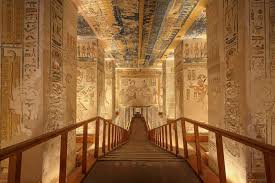
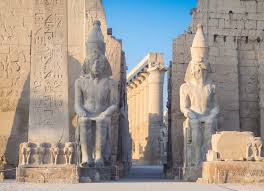
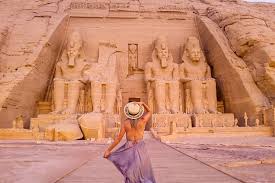
This itinerary is carefully designed to cover the most important West Bank sites without rushing.
Key Advantages
-
Covers UNESCO World Heritage monuments
-
Combines royal tombs, temples, and colossal statues
-
Led by a licensed Egyptologist
-
Suitable for first-time visitors and history lovers
By focusing on the Valley of the Kings and Hatshepsut Temple, the tour delivers the highest historical value in a single day.
Cultural Etiquette & Visitor Respect
To preserve these ancient sites:
-
Do not touch wall reliefs
-
Photography rules vary inside tombs
-
Follow guide instructions carefully
-
Speak quietly inside burial chambers
Respectful behavior ensures these treasures remain intact for future generations.
Photography Tips for the Best Results


-
Early morning light enhances tomb entrances
-
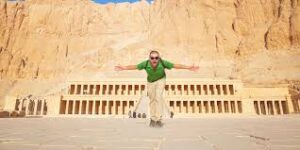
Wide-angle shots work best at Hatshepsut Temple
-
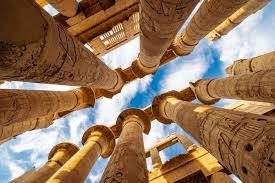
Panoramic photos at the Colossi of Memnon are stunning
-
Inside the Valley of the Kings, details matter — focus on ceilings and hieroglyphs
Some tombs restrict cameras, but your guide will advise where photography is allowed.
Who Should Choose This Tour
This one day tour to Luxor is perfect for:
-
Travelers with limited time
-
History and archaeology enthusiasts
-
Cruise passengers docking in Luxor
-
Couples, families, and small groups
It offers a complete West Bank experience without exhaustion.
Final Summary – A Complete One Day Tour to Luxor
A one day tour to Luxor is not simply sightseeing — it’s a journey into the heart of ancient Egyptian civilization.
From descending into the sacred tombs of the Valley of the Kings, to standing before the elegant terraces of the Hatshepsut Temple, and finally reflecting at the Colossi of Memnon, every moment reveals a chapter of history carved in stone.
This carefully structured experience ensures:
-
Maximum historical depth
-
Comfortable pacing
-
Expert storytelling
-
Unforgettable memories
If you want to understand ancient Egypt in a single, powerful day, this tour is the ultimate choice.
Tripadvisor – Momo Tours Egypt https://www.tripadvisor.com/Attraction_Review-g294202-d26365960-Reviews-Momo_Tours_Egypt-Giza_Giza_Governorate.html
🔗 Nuestro canal de YouTube https://youtube.com/shorts/n_UIj4W3bSA?si=73evqYKbCanJRvTk 🔗 Wikipedia – Luxor (información general) https://es.wikipedia.org/wiki/Luxor
⭐ 10. Contacto para Reservas
📞 WhatsApp: +201023675232
📧 Email: momotours6@gmail.com
https://momotoursegypt.com/wp-admin/post.php?post=3154&action=edit
-
UNESCO – página oficial Egipto / sitios patrimonio: https://www.unesco.org/en/countries/eg UNESCO+1
-
National Geographic – sección sobre Egipto / Historia de Egipto: https://www.nationalgeographic.com/travel/article/egypt nationalgeographic.com
-
Egyptian Tourism Authority https://egymonuments.gov.eg/en/world-heritage/ egymonuments.gov.eg
Overview
💰 Pricing (Per person)
- 1 person: €140
- 2 people: €120 per person
- 3–4 people: €110 per person
- 5–11 people: €90 per person
- 12–18 people: €80 per person
- More than 18 people: €70 per person
🎁 Optional Add-ons:
- 📸 Professional photographer: €100/day
- 🎈 Hot air balloon ride: $90 per person (pre-booking required)
👶 Children under 5 years: Free of charge
🚐 Tour Itinerary:
Valley of the Kings – Valley of the Queens – Hatshepsut Temple – Ramesseum – Colossi of Memnon – Optional Hot Air Balloon Ride
🎈 Optional: Sunrise Hot Air Balloon Ride
Begin your adventure early with a sunrise hot air balloon flight (optional), floating silently above the West Bank.
Witness the golden rays of dawn over:
The Valley of the Kings
Hatshepsut Temple
Lush farmlands and desert cliffs
An unforgettable aerial view of ancient splendor.
(Additional: $90 per person – book in advance)
🪦 Valley of the Kings
Enter the legendary royal necropolis where pharaohs of the New Kingdom (18th–20th Dynasties) were buried deep within the mountains.
Your ticket includes entry to 3 open tombs, selected with your guide based on current availability and historical significance. Common highlights:
Tomb of Ramses III (KV11): Spectacular colors, grand chambers, and vivid inscriptions.
Tomb of Ramses IX (KV6): Known for its beautifully painted ceilings and symbolic art.
Tomb of Merneptah (KV8): Massive halls with rich religious texts from the Book of the Dead.
🟡 Optional Tombs (Extra Ticket Required):
Tomb of Tutankhamun (KV62): Contains his original sarcophagus and beautifully decorated chamber.
Tomb of Seti I (KV17): The most magnificent in the valley; intricate, lengthy, and well-preserved.
Tomb of Ramses V & VI (KV9): Stunning ceiling art with celestial scenes.
👑 Valley of the Queens
Next, visit the resting place of royal wives and children.
Included tombs often feature:
Tomb of Queen Titi (QV52): Brightly colored, with scenes of the afterlife.
Tomb of Prince Amunherkhepshef: A young prince’s burial chamber with poignant artwork.
🟡 Optional Highlight:
Tomb of Nefertari (QV66): A masterpiece of ancient art, famed for its vibrant wall paintings and exceptional preservation.
(Special ticket required – limited access)
⛩️ Hatshepsut Temple (Deir el-Bahari)
An architectural marvel carved into the cliffs, this terraced temple celebrates Egypt’s most powerful female pharaoh.
Explore:
Grand colonnades
Reliefs depicting the Punt expedition
Statues of Hatshepsut as Osiris
Panoramic views from its elevated platforms
A perfect blend of power, elegance, and divine symbolism.
🏛️ Ramesseum (Temple of Ramses II)
A quieter, yet majestic funerary temple with fewer crowds. Highlights include:
The shattered remains of a giant seated statue of Ramses II
Massive pylons and reliefs showcasing the Battle of Kadesh
Columns and walls inscribed with hymns and royal achievements
A site full of mystery and faded grandeur.
🗿 Colossi of Memnon
Stand before the two towering statues of Pharaoh Amenhotep III, each 18 meters tall.
These iconic guardians once flanked a vast temple complex. Learn about the legend of the “Singing Statues” – mysterious sounds once reported at dawn in antiquity.
🍽️ Lunch
Pause midday for a delicious traditional Egyptian lunch at a scenic local restaurant near the Nile or in a peaceful rural setting.
🕗 Tour Timing:
With balloon: 6:00 AM – 5:00 PM
Without balloon: 8:00 AM – 5:00 PM
👥 Tour Type:
Private / Group (based on your preference)
Package includes:
- Private air-conditioned transport
- Professional Egyptologist guide
- Lunch at a high-quality local restaurant
- One bottle of mineral water per person
- Pickup & drop-off from anywhere in Luxor